


* Fashola calls for systematic training for ambassadors
Abuja Sunday Abo Sade
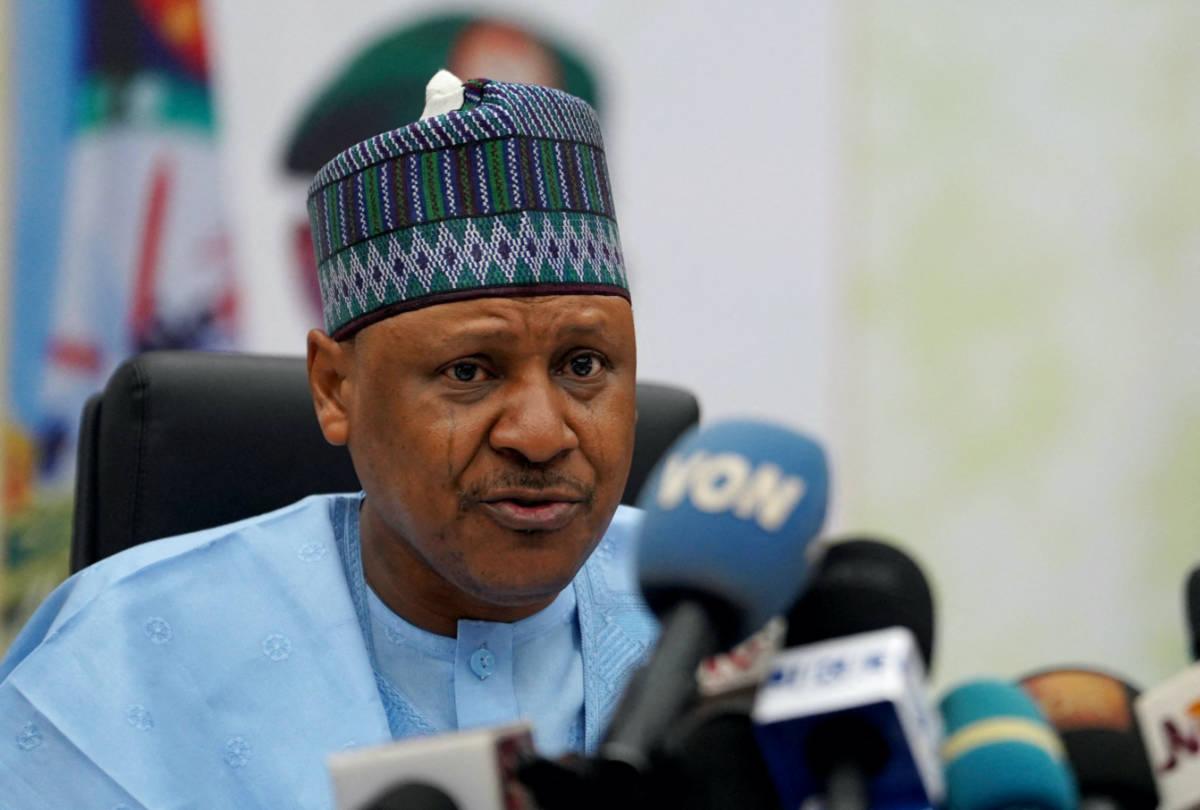
The Minister of Information and National Orientation, Alhaji Mohammed Idris, on Tuesday declared that Nigeria’s global reputation is “a mirror, not a verdict”, although it has been tarnished by negative perceptions.
He therefore called for urgent national action, arguing that the country needs to intentionally own and project its successes rather than surrendering the narrative to its critics.
Mr. Idris, who spoke at the Nigeria Reputation Summit 2026 in Abuja, reacted to the newly released National Reputation Perception Index, which ranks Nigeria as the least trustworthy in the world at 35.2 per cent.
He said the report should encourage reform, honest communication and collective responsibility, not despair.
“Responsible states must look in that mirror and have the courage to act quickly,” he said, stressing that reputation is a strategic national asset that must be consciously built, protected and managed.
Idris said that while Nigeria continues to grapple with challenges such as security insecurity and economic pressures, there are also tangible positive developments that are often overshadowed by negative stories.
He cited Nigeria’s recent removal from the Financial Action Task Force (FATF) gray list, improved foreign exchange reserves, easing inflation, stabilizing growth and restoring foreign investment confidence as major milestones worthy of global expansion.
“If reputation is important in attracting investment, then Nigeria’s exit from the FATF gray list was a big signal. But we hardly celebrated it. The same countries that sometimes criticize Nigeria are still actively engaging in it for business,” he said.
The minister recalled that the United States, which had previously expressed concern about religious freedom in Nigeria, made the country’s largest ever health investment in December, saying this was evidence that Nigeria’s reality often contradicts that portrayal.
Mr. Idris warned Nigerians, including the media, against amplifying fear and criminality, arguing that repeatedly broadcasting images of terrorists and criminals only strengthens false narratives.
“Don’t celebrate criminals. Celebrating our brave soldiers who die every day is what allows us to live and gather like this. It is the constitutional duty of every citizen to protect Nigeria’s image,” the minister said.
He commended the Nigerian Institute of Public Relations (NIPR) for producing the country’s first comprehensive Reputation Perception Index, saying it was the culmination of over seven years of research and the foundation of evidence-based reputation management.
Idris also highlighted reforms under President Bola Tinubu, including the removal of fuel subsidies, foreign exchange unification, tax reform, expansion of primary health care through new oncology centres, infrastructure development and access to education through student loans and venture capital grants.
“Ultimately, reputation is earned through actions, not slogans. Policies must meet objectives and communications must reflect the truth,” he said, noting that government alone cannot rebuild Nigeria’s image unless experts, institutions, the private sector and the people work together.
Earlier, keynote speaker, former Governor of Lagos State and former Minister of Labour, Housing and Power, Babatunde Raji Fashola (SAN), called for systematic training of newly appointed Nigerian ambassadors before they are sent abroad.
He warned that an unprepared envoy would undermine the country’s diplomatic standing and reputation.
Fashola said ambassadors must have up-to-date working knowledge of Nigeria’s economic, governance and investment environment, including basic facts such as the time required to register a company.
“They must have information that will help them truly represent us. Training should not be optional, it should be continuous,” he said.
He called on the Minister of Information to work with the Ministry of Foreign Affairs to institutionalize such preparations.
Drawing on his experience in public service, Fashola argued that Nigeria’s ambassadors should focus on attracting investors to Nigeria, rather than asking ministers to travel abroad to promote Nigeria.
“People who want to do business have to come see where we live. Slides can’t replace the experience,” he said.
He advocated the active use of global meetings, incentives, conferences and exhibitions (MICE) to promote tourism, investment and economic growth.
He stressed that hosting events, sports competitions and cultural concerts in Nigeria will dismantle myths and allow visitors to leave with an authentic experience.
Fashola also cited law and order as the most important reputational asset for Nigeria to aspire to, noting that investors prioritize predictability, contract enforcement and respect for rules.
“A reputation for following the law leads to other good things, and that’s where serious due diligence begins,” he said, adding that public reputations are formed by everyday actions, from obeying traffic lights to meeting punctual commitments.
He warned Nigerians not to confuse dissatisfaction with government policies with hostility towards the country itself, saying: “We must criticize the government without destroying the country.
“Governments will change, but Nigeria will outlive us all.”
At the summit, NIPR Director Dr. Ike Neriak announced that NIPR has been ranked among the world’s leading public relations associations by the Global Alliance for Public Relations and Communication Management, ahead of its U.S. and U.K. counterparts.
Neriaku said the accreditation validates the achievements of years of reforms and places Nigeria in a strategic position to host the 2026 World Public Affairs Forum in Abuja, which is expected to attract experts from over 126 countries.
Participants agreed that restoring Nigeria’s reputation requires discipline, unity and sustained action to align the national narrative with tangible progress within the country.
