


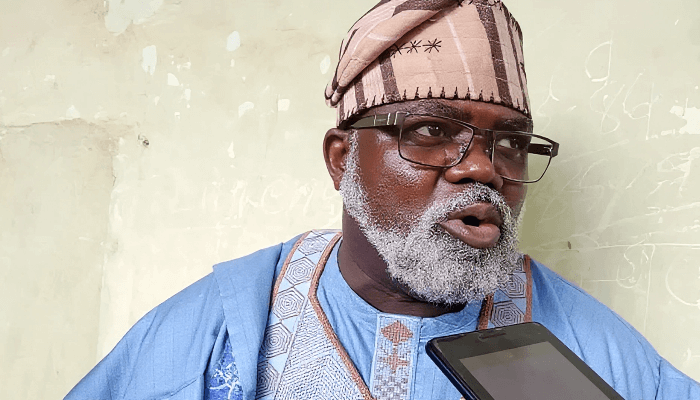
Nii Abolizadeh, human rights lawyer and prominent head of the African Democratic Congress (ADC);
…critics the government’s ₦3.6 trillion electricity subsidy plan
Human rights lawyer and prominent head of the African Democratic Congress (ADC), Nii Abolizadeh, has expressed concern over the federal government’s plan to deduct ₦3.6 trillion from the federal account for electricity subsidies from 2026 to 2028.
Describing the proposal as a “penalty for non-performance,” Aborisadeh warned that the measure would significantly reduce funding available to state and local councils for essential services such as health, education, roads and rural development.
Mr Aborisad’s criticism follows revelations in the Medium Term Expenditure Framework and Fiscal Strategy Paper 2026-2028 (MTEF-FSP), which outlines plans to make an annual frontline deduction of ₦1.2 trillion from revenue shared by the three-tier government to finance electricity subsidies through the Nigeria Bulk Electricity Trading Corporation (NBET).
While the federal government maintains that the subsidy scheme is aimed at eliminating ballooning debt in the power sector and increasing transparency, Aborisade argued that Nigerians have endured deteriorating power supply despite repeated tariff hikes.
However, Abolisade, who is running for the governorship of Oyo State in 2027, said: “Despite the unprecedented increase in electricity prices, Nigerians still do not experience uninterrupted power supply. What we have today is the worst electricity situation in Nigeria’s history.”
He described the frequent collapse of the national power grid as a national embarrassment, noting that power outages have become the norm rather than the exception, adding: “Almost every month, the national power grid collapses, plunging the country into darkness, and yet the government is willing to sacrifice ₦3.6 trillion in public funds to keep it afloat.”
Under MTEF’s proposal, the planned deductions would be deducted from the federal account before the revenue is distributed among federal, state, and local governments, effectively spreading the cost of electricity subsidies across all tiers of government.
“This policy will deplete state and local governments of critical resources. This is another big elephant project that will bring hardship instead of hope to people,” he said.
He also rejected claims that electricity subsidy protects Nigerians from high costs, arguing that Nigerians are already paying the highest electricity bills compared to the quality of supply.
“In countries like the UK, electricity is cheap and reliable. Here, Nigerians still rely heavily on generators to survive despite paying exorbitant prices,” Abolizade said.
He reserved strong criticism of the Minister of Power, Adebayo Adelabu, accusing him of incompetence and failure to take responsibility for persistent challenges in the power sector.
“A minister who criticizes Nigerians for not switching off their refrigerators at night is clearly out of touch with reality. His comments reflect a lack of leadership and understanding of the crisis,” he said, calling for the minister’s resignation.
While some power sector experts have defended the subsidy-sharing framework as being consistent with federalism, Aborisad argued that subsidies without tangible improvements amount to fiscal waste.
“If ₦3.6 trillion guarantees stable electricity and lower tariffs, Nigerians may tolerate it. But asking people to fund a failure is unacceptable,” he said.


