


Patients Struggle with Healthcare Access Amid Economic Crisis in Cuba
HAVANA — Jonelkis García, a 44-year-old housewife and mother of two, has been forced to stay at a hospital for weeks at a time to receive treatment for her acute myeloid leukemia. The difficulty of traveling to the hospital has made extended stays unavoidable.
For over a year, García has been receiving care at the Institute of Blood and Immunology, one of Cuba’s premier hospitals, but her experience highlights the significant challenges even within a facility that boasts more resources than others on the island.
“It was difficult in every way,” García explains, noting that shortages of essential medicines often require her to turn to friends and family abroad for assistance in obtaining supplies.
Impact of Fuel Shortages and Power Outages on Healthcare
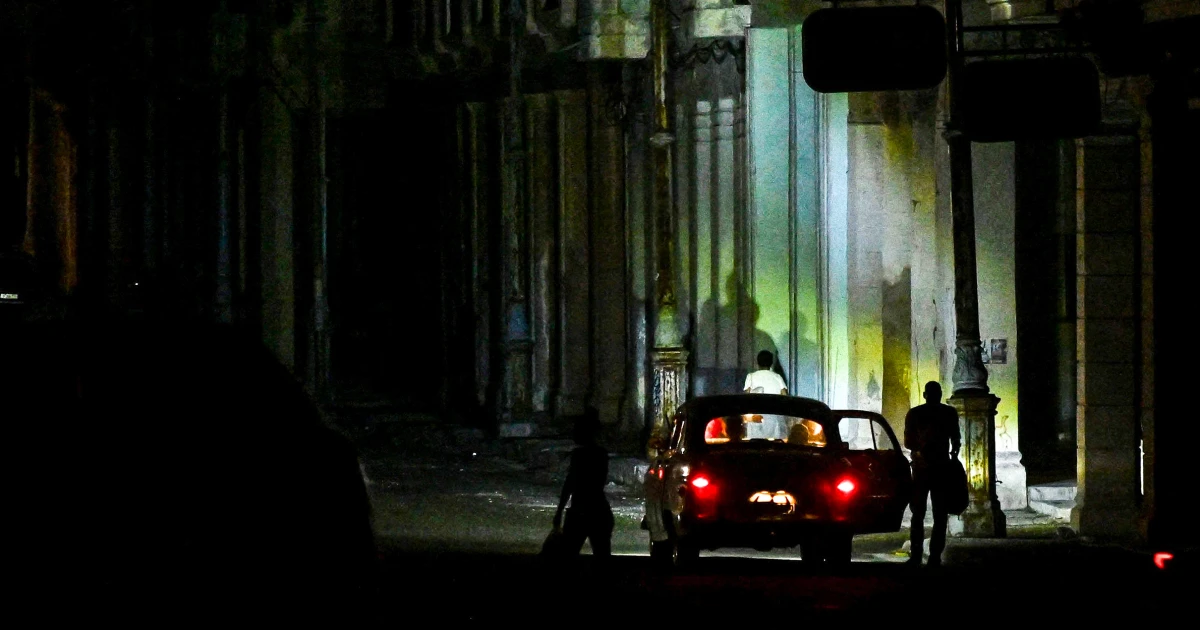
As Cuba continues to grapple with fuel shortages and power outages exacerbated by a deepening economic crisis, hospitals are particularly affected. These conditions leave patients vulnerable, with medications at risk of spoiling due to interrupted electricity supply.
The Cuban government allowed NBC News rare access to the Institute of Blood and Immunology in the capital. Here, doctors and nurses are confronting the daunting task of treating patients under these difficult circumstances.
“We have never lost a patient because of this situation,” says Martin Hernández Isas, a hematologist at the institute who often walks 20 miles to work. While he expresses hope for his patients, he acknowledges that this may not be a universal reality on the island.
The Economic Context Behind the Healthcare Challenges
Power outages and resource shortages are not new to Cuba. Since 2020, an economic crisis—triggered by stringent sanctions during the Trump administration, the COVID-19 pandemic, and diminished fuel imports from Venezuela—has put immense pressure on the nation’s healthcare system.
In recent weeks, the repercussions of these policies have intensified. Cuban life has become a struggle for basic necessities, particularly for the most vulnerable populations, such as those fighting severe illnesses.
Operational Adjustments at the Blood and Immunology Institute
In light of the crisis, staff at the Blood and Immunology Institute have had to adjust their operations significantly. The laboratory, which previously functioned five days a week, now operates only two days to conserve fuel.
Transportation issues further complicate access to healthcare. Some patients rely on electric tricycles or private rides, while others find taxis prohibitively expensive, raising significant barriers to timely treatment.
Medication Shortages and Supply Issues
Access to essential medications remains a pressing concern. “We often have to ask them to ask relatives or buy them on the black market,” explains Luceria Leyva Calderon, a doctor and vice president of the hospital. It has become commonplace for Cuban Americans to send medicines and medical supplies to their relatives in Cuba.
Some medical professionals find creative solutions amid shortages. “We pool together unused medication from patients to ensure that no one goes without their treatment,” Hernandez-Isas notes, highlighting the collaborative spirit within the medical community.
Patient Care Challenges During Power Outages
Power outages not only disrupt everyday life but also hamper hospital operations. When power fails, staff rely on generators, though fuel availability often limits this option. Nurse Norma Fernandez reports that power cuts can occur multiple times a day, sometimes lasting between one to eight hours—issues that directly affect the storage of temperature-sensitive medications.
Although no deaths linked to these shortages have been recorded in hospitals, anxiety hangs heavily over patients and medical staff alike. “It’s very difficult,” Leyva Calderon admits, emphasizing the emotional toll on doctors who frequently confront the possibility of losing patients in such dire conditions.
