


Concerns Over Suicide Bombings and Chemical Safety in Nigeria
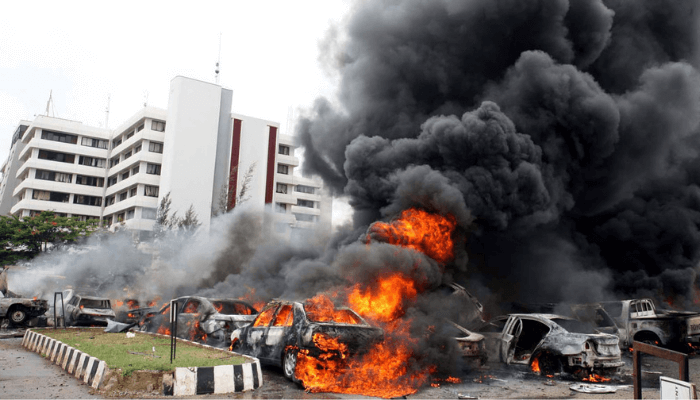
The recent wave of bombings in Maiduguri has exacerbated public fear and highlighted the troubling return of suicide attacks during counterinsurgency operations in Borno State and the broader northeast region. This surge in violence marks the deadliest suicide event in Nigeria since June 16, 2019, when three suspected Boko Haram suicide bombers devastated a coffee shop and movie center in Konduga, resulting in 30 fatalities and 20 injuries.
According to reports from BusinessDay, two weeks ago, a suicide bomber targeted a special forces battalion in the Sambisa Forest, leading to the deaths of numerous soldiers, including a lieutenant. Additionally, last week, a male suicide bomber detonated himself near Molai, just before reaching his intended target on the outskirts of Maiduguri.
Since its introduction by Boko Haram and Islamic State West Africa Province (ISWAP) in 2011, the tactic of suicide bombings peaked between 2015 and 2019. The military has raised new alarms regarding the identification of multiple suicide bombers in Maiduguri, urging residents to exercise caution in crowded areas amid intensifying security threats.
Sanni Uba, head of media and information for Operation Hadin Kai, noted that the coordinated attacks are strategically aimed at public gathering places to maximize casualties and instill widespread panic. Uba stated that recent developments indicate an uptick in terrorist activities during the final days of Ramadan, a period historically prone to increased violence.
Recent incidents, including attacks near the Monday Market and the University of Maiduguri Teaching Hospital, exemplify the ongoing danger posed by terrorist entities targeting civilian areas to amplify fear and gain propagandistic leverage. Citizens across the Northeast have been urged to remain vigilant and cautious, especially in places such as mosques and marketplaces, which are likely to attract significant crowds.
In Yobe State, military operations have resumed stringent measures to combat the infiltration of bombers, although passengers have voiced their dissatisfaction over the imposed restrictions. Many locals lament the unnecessary burdens these tactics place on civilians during a time traditionally marked by communal reflection and fasting.
Regulatory Oversight Raises Chemical Safety Concerns
In a related issue, chemical safety and security expert Mustafa Tijani Usman has publicly criticized the government’s lack of oversight in chemical management, highlighting severe risks to public health, safety, and the environment. Usman points out that insufficient handling, storage, and disposal protocols for hazardous chemicals pose significant dangers if not diligently addressed.
Despite the establishment of various regulatory agencies tasked with overseeing chemical management, gaps remain that allow unauthorized third parties to access dangerous materials, creating potential avenues for misuse. Comprehensive training in chemical safety is essential for stakeholders, including distributors, vendors, and community leaders, to minimize risks associated with mishandling these substances.
Lake Chad counterinsurgency analyst Zagazola Makama has emphasized the critical role that Maiduguri’s residents play in aiding military efforts against improvised explosive devices (IEDs). Community cooperation can facilitate real-time surveillance, contribute to effective military operations, and significantly enhance public safety.
Makama encourages citizens to be vigilant and report any suspicious activities to security forces. By remaining alert and cooperating with military personnel, communities can reinforce local safety measures and support the military’s ongoing mission to neutralize explosive threats, ultimately fostering a more secure environment for everyone.
As tensions rise along vulnerable fronts, the call for public vigilance alongside military oversight underscores the urgent need for collaborative efforts to combat both terrorism and chemical mismanagement poses to society.
