


Warren Backs Key Senate Candidates in Competitive Primaries
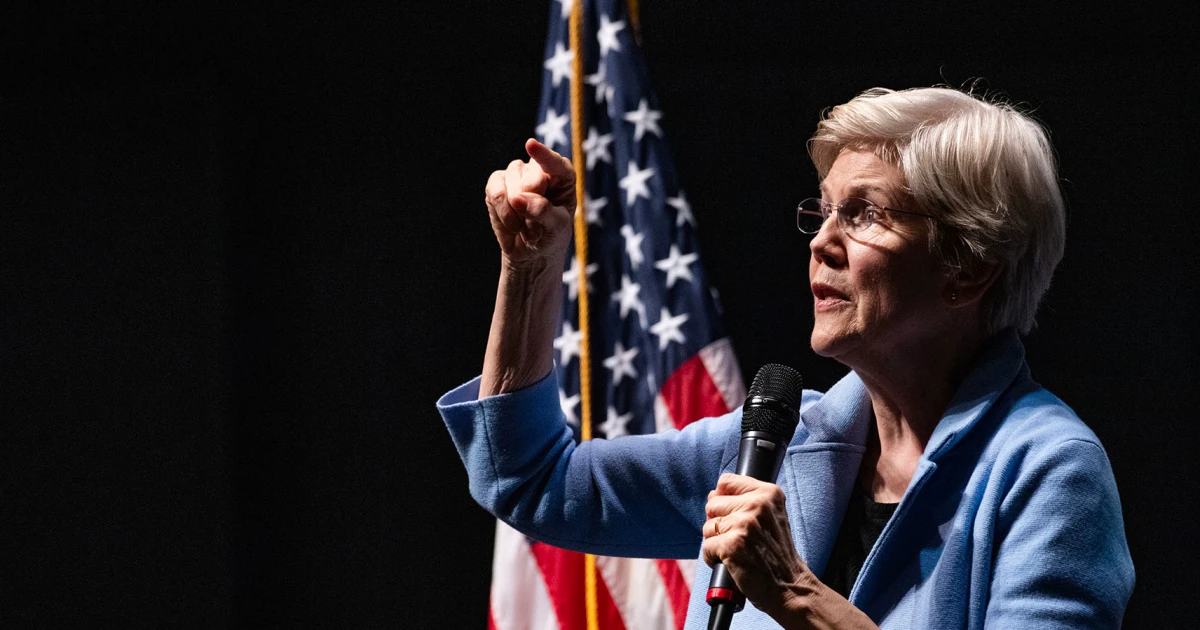
Senator Elizabeth Warren made a significant move on Thursday by endorsing candidates in two highly contested Senate primaries. This decision is part of a broader strategy to reshape the Democratic Party in critical battlegrounds for the 2026 elections.
On Thursday, Warren lent her support to state Senator Zach Walls in Iowa and Graham Platner, a military veteran and Maine oyster farmer. The day prior, she had endorsed state Senator Malloy McMorrow in Michigan’s fiercely competitive Democratic Senate primary.
The Massachusetts Senator is also directing her efforts toward other pivotal races, backing candidates such as Lieutenant Governor Peggy Flanagan of Minnesota, Senator Ed Markey from Massachusetts, and Lieutenant Governor Juliana Stratton of Illinois, who won the Democratic nomination in her state on Tuesday.
Warren Advocates for Grassroots Movements
Warren emphasized the need for bold structural changes to reduce costs and eliminate corruption in Washington. In a statement to NBC News, she expressed that electing more progressive voices to the Senate is vital for the Democratic agenda. “These candidates are inspiring people with real grassroots movements and are leaders ready to fight on behalf of working families oppressed by an unjust system,” she stated.
Her preferred candidates tend to champion populist policies, often criticize monopolistic practices, and actively reject contributions from corporate PACs. Warren has referred to them as “warriors,” emphasizing their commitment to fighting systemic issues.
Conflict with Party Leadership in Maine Primary
Warren’s endorsement of Platner places her in direct opposition to Senate Minority Leader Chuck Schumer and the Democratic Senate Campaign Committee (DSCC), both of whom are backing Governor Janet Mills in her primary against Republican Senator Susan Collins. This particular race is crucial for the Democratic Party, which aims to gain a net four seats in the Senate this November.
Earlier this year, Warren criticized the DSCC for lacking candidates who promote substantial economic reforms. In response, DSCC Chair Kirsten Gillibrand asserted her commitment to supporting the strongest candidates, stating that the committee seeks individuals who can effectively fight for Democratic ideals.
Endorsements at a Critical Moment for Platner
The timing of Warren’s endorsement is critical for Platner, especially following Mills’s recent attacks on him. Mills released a television ad highlighting a 2013 social media post by Platner where he appeared to minimize the severity of sexual assault. In response, Platner released a counter-ad stating that his past remarks were taken out of context and misrepresentative of who he is today.
Warren stands by Platner, affirming that he is actively engaging with the voters of Maine and apologizing for his past comments. Political analysts suggest that Warren’s support could help Platner resonate with progressive women voters as he navigates these challenges in the primary.
Emerging Alliances Among Senate Candidates
In addition to his endorsement, Walls noted the impact of Warren’s support in his own campaign against state Representative Josh Turek. Both Warren and Walls share a longstanding relationship, having collaborated on issues related to housing and corporate accountability. Walls also expressed gratitude for Warren’s advice during his campaign.
Warren’s endorsements often translate into fundraising boosts, as her extensive grassroots fundraising network channels support to her favored candidates. Walls reported a significant uptick in fundraising following Warren’s endorsement, indicating a positive ripple effect for his campaign.
The Broader Implications for the Democratic Party
While the DSCC has not publicly endorsed candidates in other critical Senate races, reports suggest that some party leaders are covertly indicating their preferences. The New York Times highlighted the formation of a “fight club” among a group of senators, including Warren, who are actively confronting the influence of party leadership within the primary competitions.
Amidst this evolving political landscape, Warren remains influential within the Democratic Party, having recently donated over $400,000 to nearly 20 state parties. When asked about her potential future candidacy, both Walls and other campaign strategists affirmed her focus on the immediate electoral landscape, particularly the upcoming primaries.
