


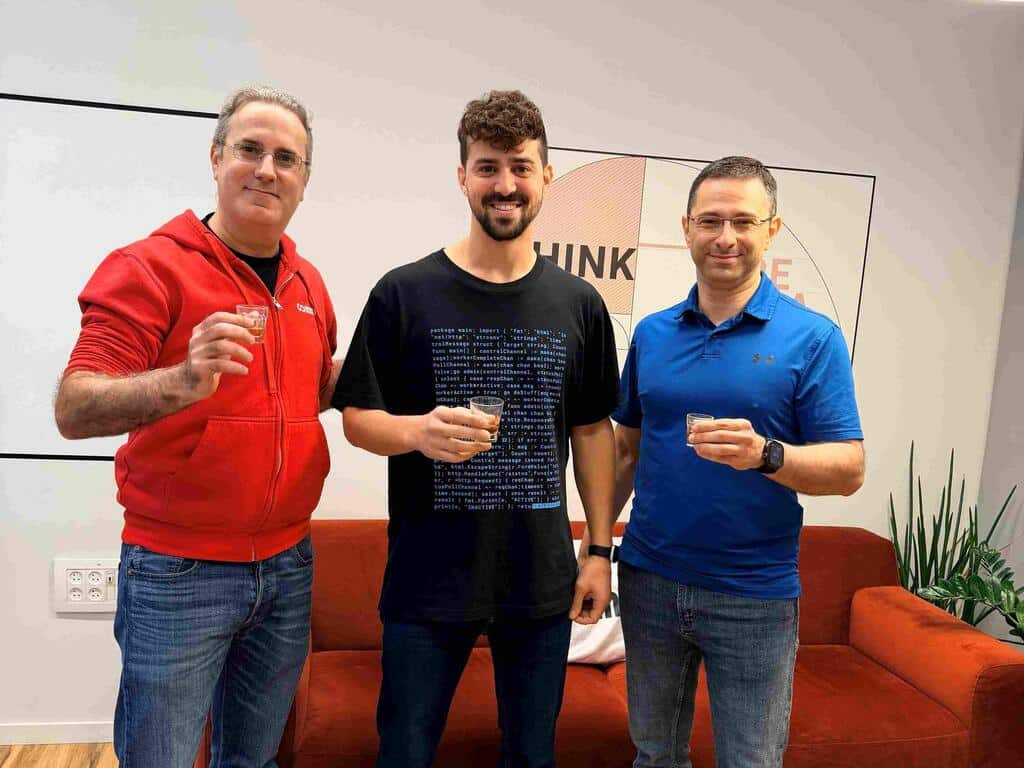
Itai Azoghi’s LinkedIn profile boldly states, “Talent is equally distributed, opportunity is not.” This sentiment resonates deeply within the global tech landscape, particularly in Africa, a continent rich with untapped potential yet often labeled as an emerging market.
Between 2020 and 2022, Azoghi spent considerable time in Ghana, serving as a product manager while engaging with software developers, product designers, and other tech professionals. His observations revealed not a lack of skills but a significant misalignment between local job opportunities and the overwhelming talent pool. Many highly skilled individuals found themselves vying for a limited number of positions that inadequately compensated for their expertise and growth expectations.
The International Labor Organization reports that annually, between 10 and 12 million young Africans enter the job market, yet only about 3 million formal positions are created each year. This disparity has intensified over the past decade, exacerbating economic pressures on youth and prompting many to reconsider traditional career trajectories. While some seek opportunities abroad, a growing number are leveraging their tech skills to create new pathways.
The COVID-19 pandemic has accelerated the rise of remote work, opening doors that were previously shut. More African developers, designers, and product managers are now collaborating with firms based in Europe, North America, and Latin America—all from the comfort of their homes. However, access to these opportunities remains inconsistent, hindered by structural barriers such as recruitment biases, payment issues, and regulatory complexities. It is within this context that Savannah, the company founded by Azoghi in 2022, aims to make a difference.
Dispatching African Technology Talent Globally
When Savannah launched, Azoghi was the sole employee, relying primarily on personal networks to drive initial growth. He began by collaborating with developers he already knew, assessing their unique skill sets and aligning them with the needs of Israeli companies that Savannah initially partnered with.
In those early days, Azoghi managed every aspect of the business, from seeking engineers and marketing Savannah to reviewing resumes. As the company grew, this process evolved into a more structured approach. Savannah now starts by engaging prospective clients to thoroughly grasp their technical and organizational requirements. This understanding facilitates the creation of clear job descriptions, enabling the business to present employers with a shortlist of thoroughly vetted developers.
Unlike traditional outsourcing firms, Savannah operates as a technology staffing solution. Developers placed through the platform effectively become Savannah’s employees, with the company managing payment, support, and career development. This model allows Savannah to maintain oversight on how its developers are treated, ensuring a consistent experience for the talent it supports.
Initially focused on providing engineers to Israeli companies, Savannah has recently broadened its scope to include the entire European market. The company has successfully placed developers from Ghana, Nigeria, Kenya, and Rwanda, with over 150 engineers securing roles through its platform to date.
The Future of Artificial Intelligence and Developers
The rapid adoption of artificial intelligence is transforming the global developer job landscape, and younger engineers face the brunt of this shift. As businesses increasingly integrate AI into their operations, the demand for entry-level developers has diminished, contributing to layoffs and more cautious hiring practices. A sector once viewed as a reliable avenue for economic mobility now presents a more precarious outlook for newcomers.
This trend is supported by recent data indicating that employment in roles most susceptible to AI, particularly in IT and software engineering, decreased by 6% among workers aged 22 to 25 according to the 2025 Digital Economy Survey. Conversely, employment for more seasoned professionals aged 35 to 49 rose by 9%.
In response, Savannah is actively adapting to these changes. Recognizing AI’s shift from a differentiator to a fundamental requirement, the company is investing in tools and support systems to help developers flourish. Through a dedicated developer success team, Savannah aims to empower engineers not only to fulfill their roles but also to advance within them. This includes providing access to essential AI-powered coding tools and ongoing guidance to ensure developers remain competitive in an ever-evolving industry.
Commitment to Growth
Last month, Savannah was acquired by Israeli technology firm Commit, which delivers a spectrum of tech solutions to select organizations in Europe and the United States. As part of the acquisition, Azoghi transitioned to the role of senior vice president at Commit, along with several other Savannah employees.
While the financial details of the acquisition remain undisclosed, various media reports estimate the deal to be worth millions. This marks a significant milestone for Azoghi, who has nurtured the company from its inception.
Prior to the sale, Savannah deliberately avoided raising outside capital to maintain control over its strategic direction rather than chasing rapid growth. The acquisition followed several months of collaboration between the two companies and stood out due to the employee benefits it promised, including long-term growth opportunities.
The connections Commit has forged with large enterprises were also crucial, offering Savannah access to customers and markets that would have been challenging to reach independently, thereby enhancing its credibility in the eyes of bigger clients.
Azoghi believes the opportunity was timely, noting, “We had many acquisition offers, but it was essential to partner with a company rich in outsourcing expertise.”
Pioneering the Next Phase of Savannah’s Growth
Following its acquisition by Commit, Savannah is gearing up for its next growth phase with an expanded platform, enhanced resources, and a greater reach into the global enterprise market. The company aims to continue its mission of connecting skilled talent with significant opportunities, regardless of geographical boundaries.
Azoghi views the acquisition as a springboard for further growth rather than an endpoint. Commit’s outsourcing experience and extensive relationships with large organizations are expected to fast-track Savannah’s expansion across Africa and into new territories.
“In outsourcing, many African countries remind me of what parts of Europe were years ago,” Azoghi observes. “The potential is immense.”
This vision shapes Savannah’s long-term strategy focused on cultivating sustainable talent pipelines in regions historically overlooked by global employers. Importantly, Savannah plans to uphold its people-first ethos as it scales within the Commit ecosystem, ensuring that growth aligns with the company’s core values. One of Savannah’s long-term objectives is to establish a training center aimed at enhancing the skills of junior and mid-level developers, facilitating their advancement to senior positions.
“Our ultimate vision for Savannah is to ensure that deserving individuals can seize opportunities, irrespective of their geographical origins,” Azoghi states.
