


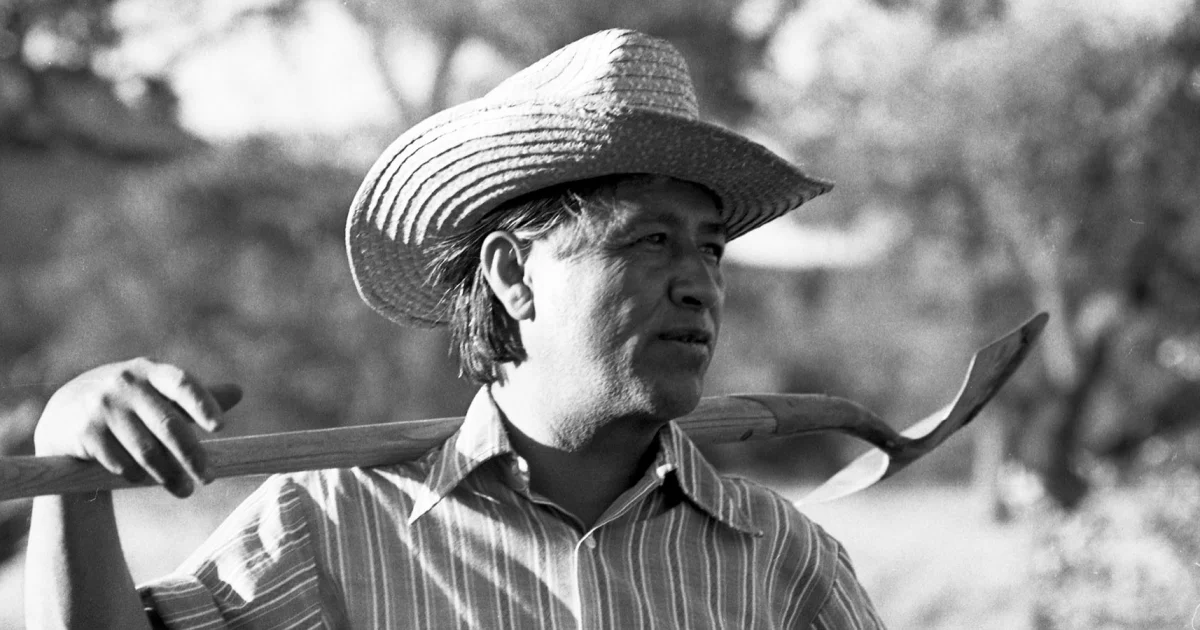
Community Distances Itself from Cesar Chavez Amid Allegations
Supporters of Cesar Chavez, the iconic civil rights leader, are rapidly seeking to distance themselves from alarming allegations of abuse and are erasing his name and image from public monuments and honors. The fallout has been swift, including the removal of his statue at Fresno State University, the cancellation or renaming of celebratory events in his honor, and calls to strip his name from streets and parks.
Struggling with a Complex Legacy
The community now faces a difficult dilemma: how to dismantle the cult of Chavez without undermining the history of advocating for Latino rights, given that Latinos represent the nation’s second-largest ethnic group. Activists and community leaders have voiced their discontent, emphasizing the emotional toll of living in a society where Chavez’s legacy is omnipresent.
Response from Advocates and Scholars
Sonya Diaz, a civil rights attorney from California, expressed the sentiment that after 30 years since Chavez’s passing, the community deserves to reclaim their space from his controversial legacy. Many feel burdened by the reminders of his name in their daily lives, further complicating their struggles with ongoing issues like racial profiling and immigration arrests, particularly during the Trump administration’s aggressive deportation policies.
The Impact on the Latino Community
Delia Garcia, who has made significant strides in politics as Kansas’ first Latina state representative, articulated the additional pain these allegations inflict on a community already experiencing turmoil due to immigration crackdowns, which have left families shattered and individuals fearful. The timing of these revelations coincides with heightened anxiety surrounding deportation and detainment, adding to the community’s distress.
Revisiting Chavez’s Role in History
Rosie Castro, a notable civil rights advocate, pointed out that while the media has often glorified Chavez and the farmworker movement, many other unsung heroes also contributed significantly to civil rights progress. She highlighted influential figures like Reyes López Tijerina and Rodolfo “Corky” Gonzalez, who played crucial roles during the Chicano movement. This call for broader recognition emphasizes that Chavez’s legacy should not overshadow those of others who were equally instrumental.
Deconstructing the Chavez Mythos
Mireya Loza from Georgetown University reflected on how Chavez has become synonymous with Latino history, likening him to Martin Luther King Jr. in the context of African American history. However, she argued that this singular focus narrows the rich tapestry of diverse contributions within the community, making the revelations of abuse particularly devastating when the community seeks a more nuanced understanding of its heroes.
The Call for a Broader Dialogue
Amid these shocking discoveries, Manuel Pastor, a sociology professor at the University of Southern California, believes that the allegations against Chavez should spark a more complex discussion about history, moving away from blind hero worship to a more holistic understanding of past figures. Janet Murguia, president of UnidosUS, echoed this sentiment, highlighting the need for collective leadership rather than idolization of individual figures. She emphasized that the actions of one person should not define the community as a whole while expressing confidence in the potential for progress and resilience.
Confronting Allegations and Looking Forward
The community’s response has been marked by a desire to confront the painful truths surrounding Chavez’s life. Dolores Huerta, a co-founder of the United Farm Workers alongside Chavez, disclosed her own experiences of sexual assault, adding to the call for accountability. As discussions arise regarding alternatives to honoring Chavez, the focus turns toward recognizing other deserving figures within the community to pave a path forward while educating future generations about a more comprehensive Latino history.
