


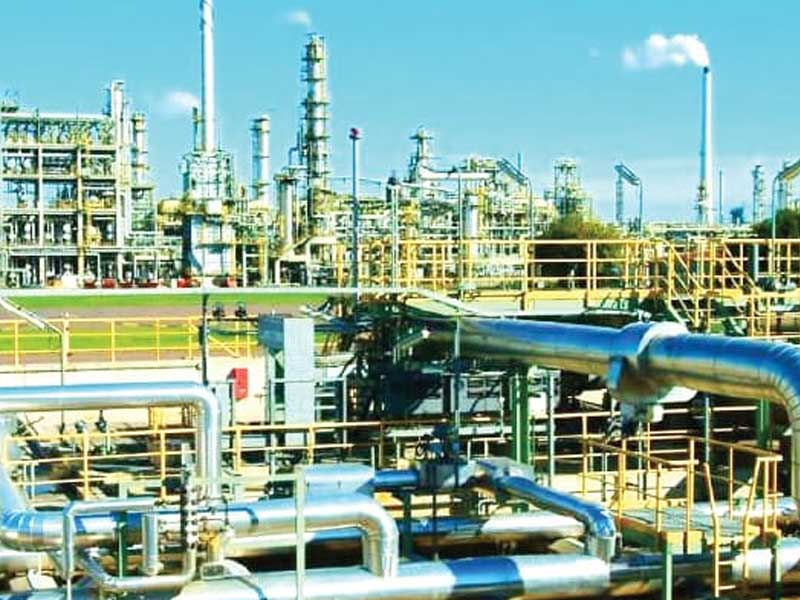
Dangote Emphasizes Importance of Refinery Amid Turbulent Global Energy Market
Aliko Dangote asserts that without the new refinery, Nigeria would be facing significant challenges. Recent geopolitical tensions have drastically shifted the energy landscape, prompting Dangote Oil Refinery to raise its off-gantry price from N1,175 to N1,245 per liter. Alongside this adjustment, the onshore price has increased from N1,512,648 to N1,606,518 per tonne. The price changes will take effect from midnight on March 21, 2026, reflecting rising oil prices driven by global conflicts.
Geopolitical Tensions Influence Oil Prices
In the wake of these developments, President Donald Trump indicated that the United States is nearing its objectives in its campaign against Iran and hinted at potentially scaling back military involvement in the Middle East. He criticized NATO allies for their perceived lack of support and described them as “cowards” in a recent update to his followers.
In a parallel move, the UK government granted permission for US forces to utilize British bases for operations aimed at Iranian missile sites targeting vessels in the vital Strait of Hormuz. This combined geopolitical unrest has positioned the Dangote refinery at a crucial point in Africa’s energy supply chain.
Dramatic Demand Surge for Refined Petroleum Products
Dangote recently explained the current challenges facing the global oil market, noting that crude oil prices have surged to nearly $120 per barrel. He anticipates continued volatility, stressing that demand across Africa is rising sharply due to disrupted supply chains caused by international conflicts.
“People are now willing to pay anything,” Dangote remarked, highlighting the fierce competition for limited fuel supplies. Beyond just immediate market reactions, he views the refinery as a strategic asset that can bolster Africa’s long-term economic independence.
Refinery as a Catalyst for Africa’s Industrial Growth
Dangote has long advocated for Africa’s industrialization, stressing that local investment is critical. “If we Africans do not lead Africa’s industrialization, it will remain a distant dream,” he explained. The refinery has already begun to reduce Nigeria’s dependence on imported petroleum products and relieve pressures on foreign exchange reserves, illustrating its macroeconomic significance.
Located in Lagos, the facility boasts a processing capacity of 650,000 barrels per day, making it the largest refinery in Africa. With an extensive network of storage capacity and dedicated port infrastructure, it is one of the continent’s most ambitious private projects.
Strategic Vision for Future Expansion
Dangote envisions a comprehensive development plan that could see parts of the refinery listed on the Nigerian Stock Exchange, and potentially the London Stock Exchange. He aims to expand the facility’s refining capacity and plans to utilize the gas produced at the site to power adjacent manufacturers. Furthermore, he has ambitious projects across Africa, including a $2.5 billion joint venture with Ethiopia to establish a fertilizer plant and significant investments in Zimbabwe’s cement and power sectors.
Regional Influence and Partnerships
Despite operating in 16 other African nations, Dangote acknowledges the skepticism surrounding the potential for similar large-scale projects elsewhere on the continent. He pointed out that few other African countries are currently pursuing refinery construction, citing a lack of capital and willingness to invest as major barriers.
Although some critics highlight Dangote’s reliance on foreign expertise, he remains confident in his company’s innovative potential. With automation in both refining and cement production, he asserts that the facility is set to redefine African industrial capabilities and enhance the region’s energy security.
US Military Strategy and Regional Alliances
President Trump’s recent remarks about the US military’s objectives in the Middle East highlight a potential shift toward reducing America’s military footprint while urging regional partners to take responsibility for their security, particularly regarding the Strait of Hormuz, a crucial artery for global oil transport.
Trump has framed the military successes against Iran as an opportunity for allies to engage more actively in ensuring the security of vital waterways. With NATO allies under scrutiny for their support, the continued disruptions in the region may elevate the significance of the Dangote refinery as a key player in Africa’s energy landscape.
