


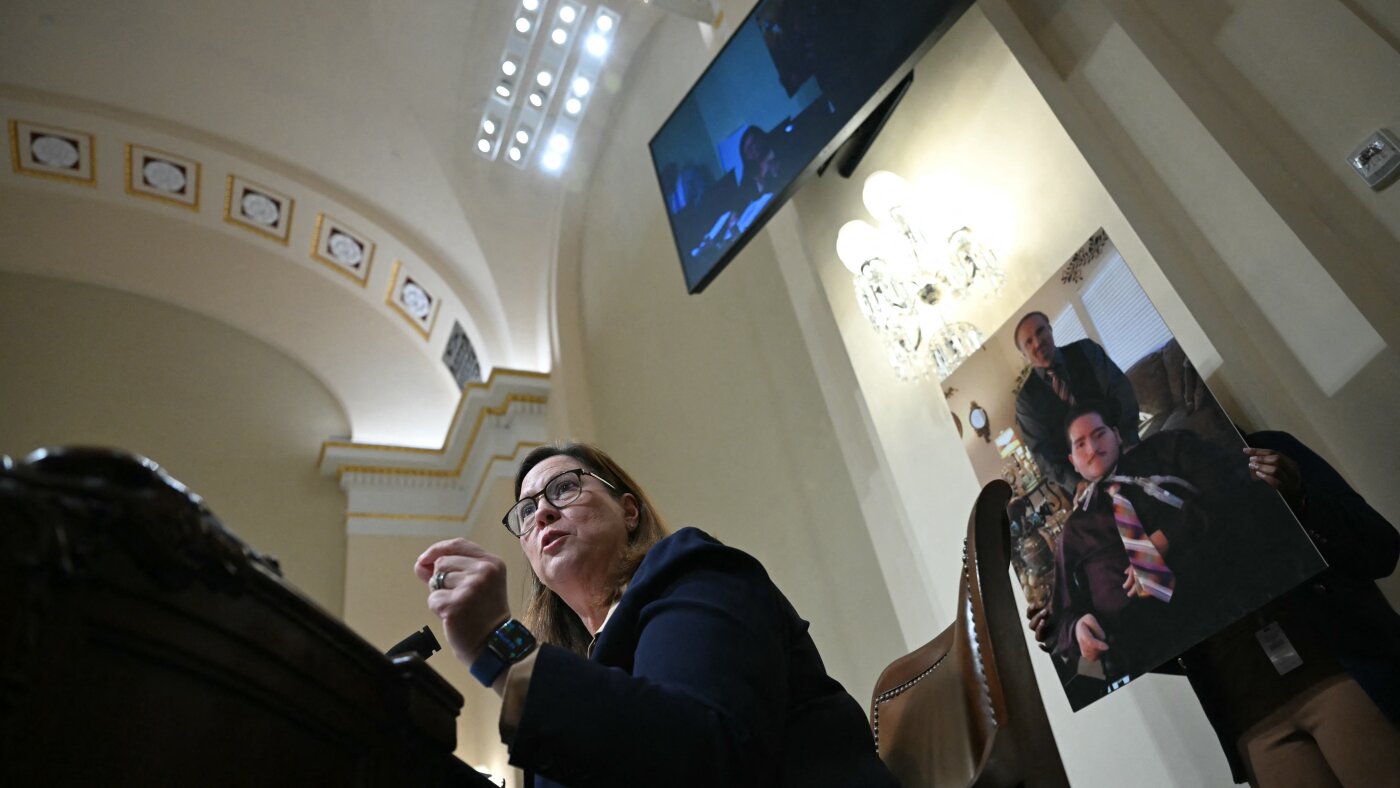
Representative Julie Johnson, D-Texas, speaks at a House Homeland Security Committee hearing on oversight of the Department of Homeland Security in February 2026. Andrew Caballero-Reynolds/AFP via Getty Images
Andrew Caballero-Reynolds/AFP via Getty Images
The ongoing Department of Homeland Security (DHS) shutdown is intensifying challenges for families seeking to communicate with loved ones in immigration detention. Representative Julie Johnson, a Democrat from Texas, emphasized the growing difficulties her constituents face in locating their family members and obtaining necessary medical care during this unprecedented funding crisis.
As the shutdown progresses into its sixth week, Democratic lawmakers and immigration attorneys have raised alarms about inadequate oversight and the agency’s operational struggles. “Many constituents have contacted my office unable to locate their loved ones or secure medical treatment for those in custody,” Johnson stated, expressing frustration over the inconsistent responses from the government concerning its supervisory responsibilities.
Amid the shutdown, the White House and Republican officials have attributed the funding deadlock to Democratic resistance. During recent confirmation hearings for Senator Markwayne Mullin (R-Oklahoma) as the new DHS secretary, critics voiced concerns about the consequences of halted operations amidst ongoing immigration enforcement activities.
In contrast to previous standoffs, Democrats are insisting on reforms to immigration enforcement before agreeing to fund the agency. Johnson pointed out that essential oversight should not be hindered by political gridlock. “Voters have a fundamental right to information about their loved ones who are in custody,” she asserted. If operations still proceed at Immigration and Customs Enforcement (ICE) during the shutdown, Congress must retain its ability to engage with the agency effectively.
This week, Johnson conducted an unannounced visit to the ICE field office in Dallas, where she aimed to assess conditions firsthand, although her staff was denied entry. Her visit was prompted by the recent death of Mohammad Nazir Paktiawar, an Afghan asylum seeker who died shortly after his detention.
In response to the ongoing crisis, Johnson has proposed legislation mandating DHS to maintain communication with congressional offices during funding interruptions. Observing the fallout from the shutdown, immigration attorneys have cautioned that the impact extends beyond individual detentions and threatens broader DHS oversight.
Marium Uddin, an immigration attorney from Texas, explained that while the current shutdown appears less chaotic compared to previous occurrences, it still undermines effective monitoring and accountability. “Even small disruptions to communication channels can have serious consequences for individuals in custody,” she noted, expressing concern over the systemic challenges faced by detainees.
The ongoing funding lapse raises serious questions about DHS’s operational integrity, particularly regarding its oversight of civil rights. Former staff from the agency’s Office of Civil Rights and Civil Liberties have accused it of presenting misleading reports to Congress. They assert that the department has misrepresented the prevalence and outcomes of civil rights complaints in its required annual reports.
DHS officials dismissed these allegations, claiming they are committed to protecting civil rights while streamlining oversight processes. However, former employees contend that a lack of transparency and accountability during this period raises pressing concerns about the agency’s legitimacy and its commitment to civil liberties—a fundamental aspect of its mission.
