


Proposed Legislation Focuses on Immigration Enforcement Funding
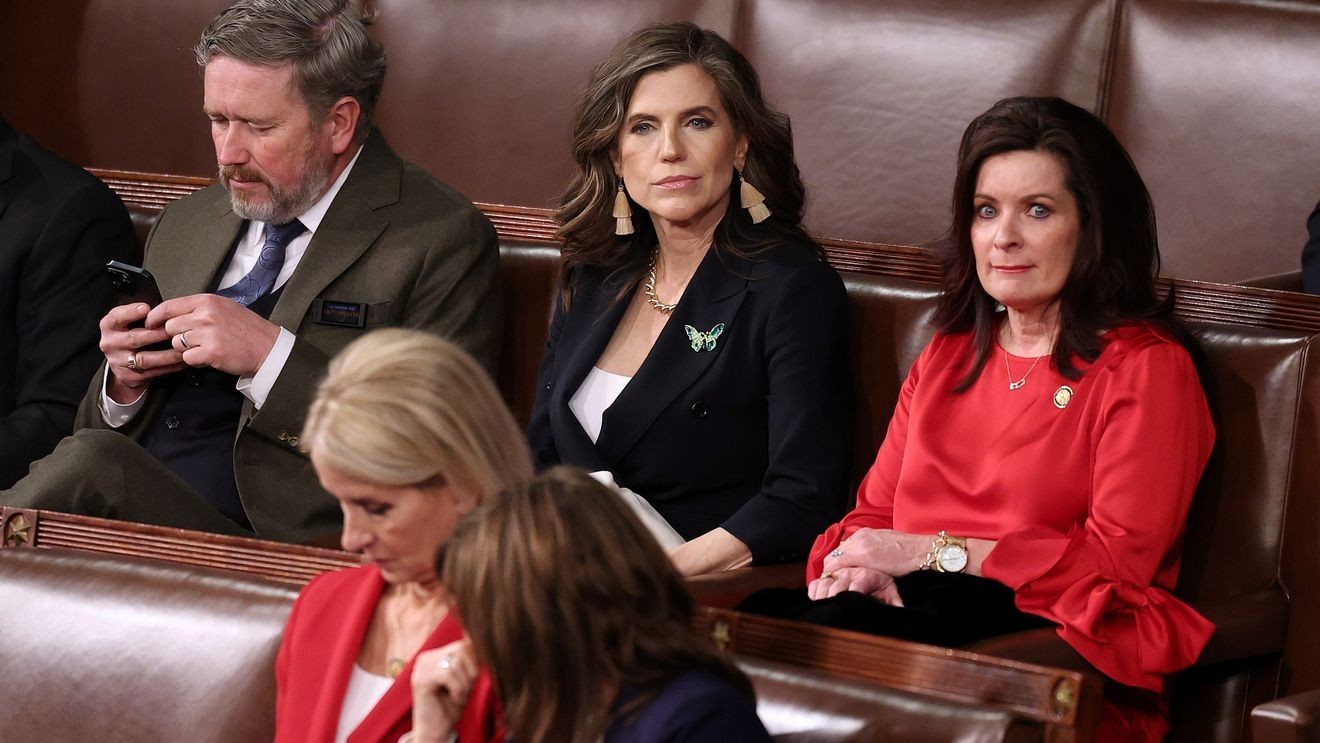
In a significant move, U.S. Republican Representative Nancy Mace introduced a bill on Friday aimed at prioritizing federal public safety funding for states and local governments that actively assist in immigration enforcement. The legislation, called the Immigration Enforcement Cooperation Encouragement Act, seeks to amend both the Omnibus Crime Control Act and the Safe Streets Act, ensuring that Community Oriented Policing Services (COPS) grants are directed primarily to jurisdictions participating in 287(g) agreements with the Department of Homeland Security.
Understanding 287(g) Agreements
These 287(g) agreements empower local law enforcement agencies to execute specific federal immigration enforcement duties, such as identifying individuals who lack legal status in the United States. Mace emphasized the importance of cooperation among all levels of law enforcement, stating that “our communities deserve to be safe.”
Context of Increasing Immigration Enforcement
This proposal arrives during a period of heightened immigration enforcement, a trend that has intensified under the Trump administration, which has advocated for stricter policies and greater collaboration between federal and local authorities. The administration has been particularly vocal against “sanctuary jurisdictions,” which limit their cooperation with immigration officials.
Support and Opposition to the Bill
Proponents of 287(g) agreements assert that these partnerships are essential for removing individuals who pose a risk to public safety. However, critics argue that such collaborations can erode community trust and may broaden immigration enforcement efforts that extend beyond criminal cases.
Local Participation in Immigration Agreements
In the tri-county area comprising Berkeley, Charleston, and Dorchester counties, local governments are already engaged in 287(g) agreements and work alongside federal authorities on immigration enforcement issues. Mace’s legislation would elevate these jurisdictions in terms of federal law enforcement grants, linking financial support to adherence to immigration collaboration.
Political Implications and Continued Funding Challenges
This initiative mirrors the sentiments expressed by U.S. Senator Lindsey Graham, who has long criticized “sanctuary cities,” perceiving them as significant obstacles in the enforcement of immigration laws. Mace’s bill emerges at a time when lawmakers seem far from resolving the Department of Homeland Security’s ongoing funding challenges. For over a month, Democrats have withheld funding from certain agencies within the department, citing a necessity for accountability following recent incidents involving enforcement actions.
Future Prospects of Legislation
Recent reports indicate that the White House is considering additional concessions to Democrats regarding immigration enforcement to facilitate an agreement on government funding. However, Mace’s bill must secure approval from both houses of Congress and receive presidential consent before it can be enacted into law. Its future remains uncertain as political negotiations continue.
