


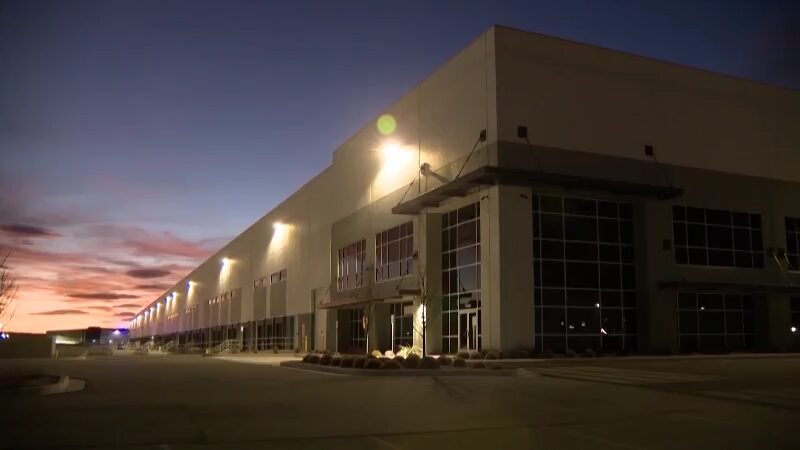
New ICE Detention Facility May Strain Utah’s Immigration Courts
SALT LAKE CITY — The establishment of a new U.S. Immigration and Customs Enforcement (ICE) detention facility could further burden Utah’s immigration court system, according to local immigration attorneys.
Backlog and Delays in Immigration Cases
Currently, Utah’s immigration courts are facing an overwhelming backlog of 48,753 cases, with the average wait time extending to approximately 743 days. This data, sourced from the Transactional Record Access Clearinghouse, reveals a troubling trend. In some instances, hearings are scheduled as far out as 2029, highlighting the critical nature of the backlog, noted Jonathan Shaw, an immigration attorney with Intermountain Immigration Services.
Impact of New Detention Centers on Case Delays
Shaw expressed concern that the proposed detention facilities—especially the ambitious “megacenters” housing between 7,000 and 10,000 individuals, along with the anticipated 1,500-person “regional centers” under ICE’s restructuring plan—will exacerbate existing delays within the immigration court system.
Limited Judicial Resources in Utah
Utah presently has a stark lack of judicial resources, featuring just two full-time immigration judges and one temporary judge. This number is far below what is necessary to manage a projected influx of cases, especially following the loss of three judges last year. “To adequately address the workload, we likely need eight to ten immigration judges in Utah,” remarked Shaw.
Implications for Federal Court System
Though ICE has not disclosed the population of the new facility, any detainees housed there, including individuals from outside the state, will have their cases processed through Utah’s immigration courts. Shaw anticipates that the new policy, which requires immigration bonds to be secured in federal court, may lead to increased caseloads that could significantly slow the judicial process and delay the release of wrongly detained individuals.
Potential Benefits of Local Detention Facilities
Shaw pointed out that having a local detention facility could offer certain advantages. Detainees in Utah would be less likely to be transferred to distant locations, as is often the case currently, with many held in facilities in Colorado, Nevada, or Texas. This proximity could simplify the search for legal representation. “Local attorneys find it increasingly challenging to represent clients outside Utah, as it often entails more time and expenses for immigrants,” Shaw explained.
Mixed Reception Among Immigrant Communities
Shaw acknowledged that a local facility might alleviate some financial burdens for families, given that legal costs tend to rise dramatically when clients are detained out of state. “While there are potential positives to local facilities, immigrant communities generally perceive detention centers negatively,” he concluded.
