


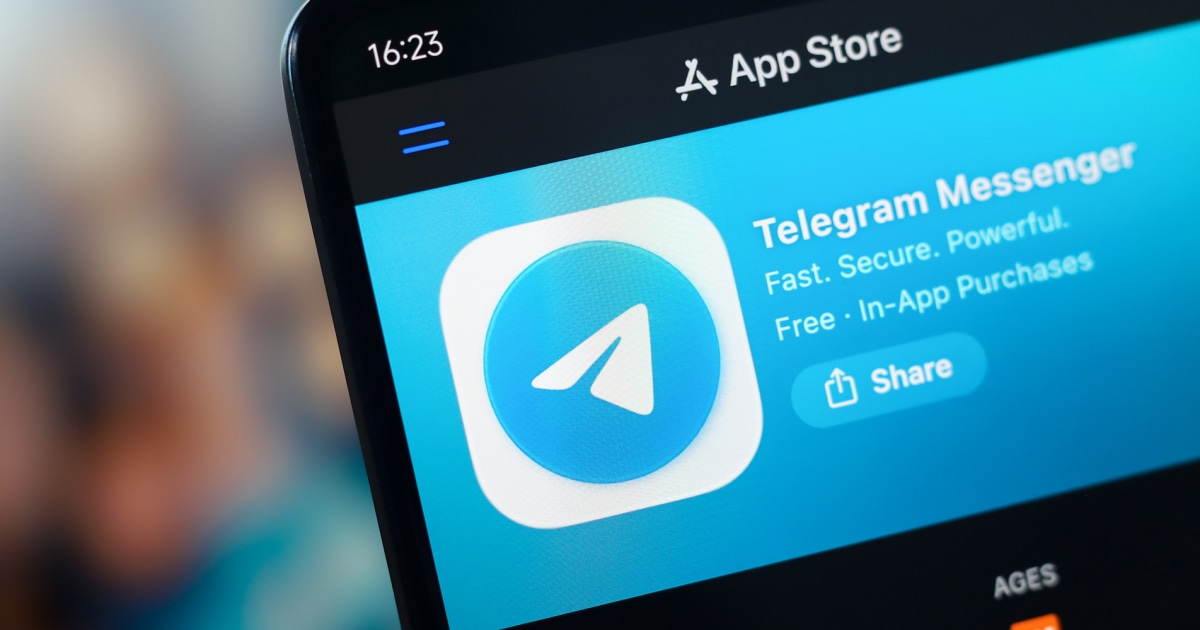
Kremlin Targets Popular Messaging App Telegram
The Kremlin’s increasing control over various aspects of life in Russia has now extended to Telegram, the nation’s most widely used messaging platform.
Public Opposition to Telegram Restrictions
In a rare show of dissent, both everyday Russians and even staunch pro-Kremlin advocates have voiced their concerns about efforts to suppress Telegram. They warn that these actions could have unintended consequences, both domestically and for the Russian military’s operations in Ukraine.
Shift to State-Controlled Messaging
Telegram has become essential for millions of users across the political spectrum in Russia. However, the Kremlin is promoting MAX, a new state messenger that critics fear may be designed for surveillance and further restrictions on personal freedoms—a trend that has intensified since the invasion of Ukraine. Recent outages in mobile internet, particularly in Moscow, have been framed by officials as necessary for security.
Increased Slowdowns on Telegram
Over the past few months, users have echoed their frustrations about Telegram’s declining performance, with reports of significant slowdowns surfacing this week. Observers point to a troubling pattern of state interference in the app, which has become a vital channel for communication and information sharing.
Mixed Reactions from Activists and Supporters
While many ordinary users rely on Telegram for private conversations and critical updates, Kremlin insiders and supporters are expressing frustration over official attempts to throttle its usage. Activist Grigory Korolyov, known for raising funds for the Russian military, has also criticized the restrictions as “criminal,” arguing that the app serves a valuable purpose in current military operations.
Concerns Around State Messenger MAX
Another activist, Olga Kuligina, highlighted that Telegram has been indispensable for coordinating humanitarian aid. She expressed apprehension about the shift to MAX, indicating that while she may adapt, she prefers Telegram’s functionality. This sentiment is echoed by many who view MAX as a tool for state surveillance, rather than a genuine alternative for secure communication.
Official Justifications and International Context
The Kremlin claims that Telegram has failed to comply with Russian laws and has targeted its founder for investigation. Pavel Durov, who established Telegram in 2013, is currently facing scrutiny, though no formal charges have been made. Despite this, Durov maintains that the measures against Telegram reflect a government’s fear of its own populace. Similar accusations have also surfaced from other governments facing allegations of censorship online.
Military Communication Dilemma
Amidst financial and communication challenges, prominent Russian military bloggers have expressed grave concerns about the Kremlin’s moves against Telegram. They argue that the platform has become a critical tool for communication among Russian forces engaged in Ukraine. Calls from some quarters to eliminate Telegram from military devices have sparked backlash among even the staunchest supporters of the Kremlin.
Experts suggest that the Russian military’s reliance on Telegram highlights a potential failure in finding viable alternatives for secure communication. The Kremlin’s insistence on prioritizing regime security over effective military communication could jeopardize operations during ongoing conflicts.
