


Cesar Chavez’s Impact on Civil Rights and Labor Movements
For decades, Cesar Chavez stood as a symbol of dignity and hope within Latino, immigrant, and labor communities. His legacy of advocating for civil rights and workers’ rights earned him respect among many, despite facing criticism for perceived anti-immigrant sentiments. For those whose families held him in high esteem, Chavez represented a source of pride and collective identity.
Recent Allegations Challenge Chavez’s Legacy
However, recent allegations have emerged, shaking the foundation of his celebrated image. Reports claim that Chavez sexually assaulted two underage girls in the 1970s and raped Dolores Huerta, his fellow labor rights activist and co-founder of the United Farm Workers Union. These revelations have led to disillusionment among many of his admirers, who now grapple with the complex realities of his legacy.
Community Responses to Chavez’s Downfall
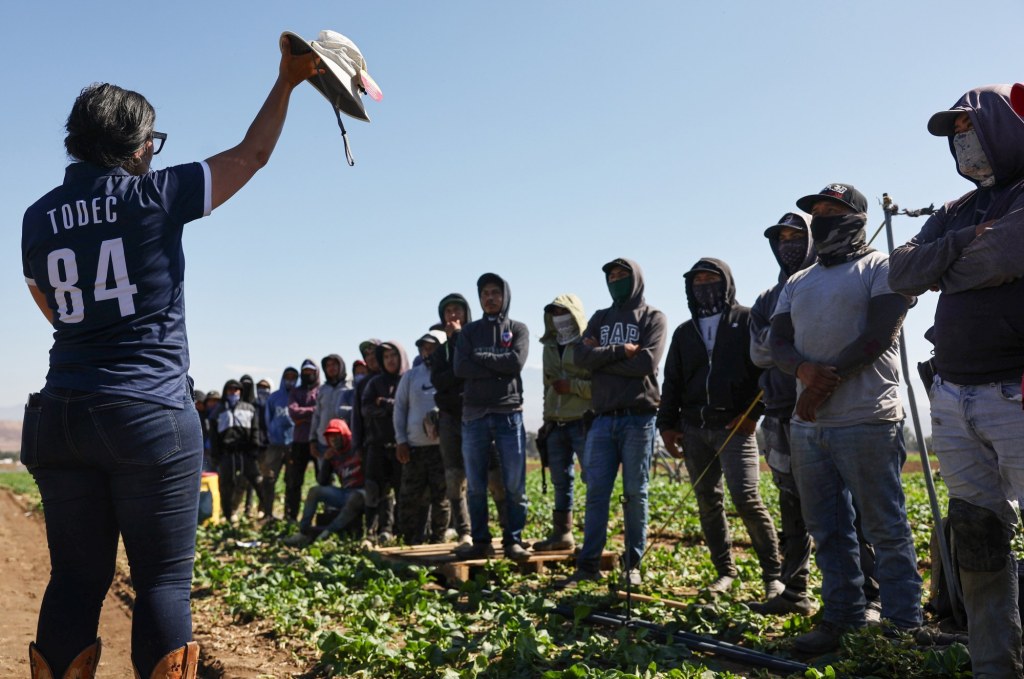
In a climate where Latinos, immigrants, and farmworkers often feel targeted by U.S. Immigration and Customs Enforcement (ICE), Chavez’s perceived missteps resonate painfully. Luz Gallegos, executive director at the TODEC Legal Center, expressed the difficulties Latino families are facing, noting that the revelations prompt feelings of sadness and betrayal. “It’s tough coming to terms with this right now,” she stated, emphasizing that the community’s strength relies on collective resilience, not solely on individual figures.
The Broader Implications for Civil Rights Movements
This sentiment resonates among Southern California’s activists, who underscore that the labor and civil rights movements extend beyond singular icons. Manuel Pastor, director of the USC Dornsife Equity Institute, recalls his early admiration for Chavez but recognizes that a deeper understanding of his actions has reshaped his perspective. “Movements are not just individuals; it is collectives that move history,” he remarked, highlighting the need for honesty about Chavez’s impact on the community.
Potential Repercussions for Immigrant Advocacy
Legal expert Sonia Diaz cautions that the timing of these allegations could hinder efforts to advocate for immigrant rights. “The current federal landscape criminalizes immigration and diminishes workers’ voices,” she warned, indicating that without addressing the genuine concerns of farmworkers and others, the movement could face significant challenges. This context complicates the ongoing struggle for justice and equality within these communities.
Reflections on Chavez’s Role in the Latino Community
Civic leaders have expressed a mix of sadness and resignation regarding the allegations against Chavez. Carlos Perea, founding director of the Harbor Institute for Immigration and Economic Justice, said his organization had already raised concerns about Chavez’s anti-immigrant views. “Now, this means a lot to unpack for the Latinx community,” he noted, stressing the need for dialogue and healing in the wake of these disturbing findings.
Resilience Amidst Uncertainty
Despite the turmoil surrounding Chavez’s legacy, many community members express unwavering courage and determination. Pastor emphasized the political and economic progress made by the Latino community over the decades, asserting, “This is a resilient community that will find a way forward.” While acknowledging the gravity of the allegations, he is hopeful that this moment can spark necessary conversations about sexism and accountability within the Latinx community.
