


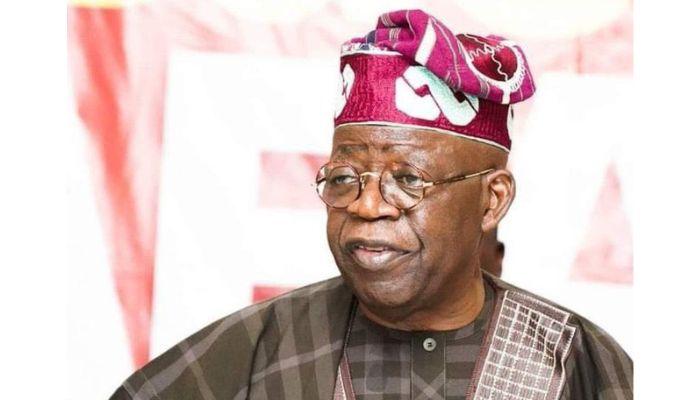
Nigeria’s Political Landscape Under Bola Ahmed Tinubu
In a departure from previous administrations, Nigeria’s current president, Bola Ahmed Tinubu, embodies a unique brand of political morality that many find concerning. He appears to subscribe to a transactional view of politics reminiscent of Vladimir Lenin’s perspective that morality has no place within the realm of governance. This was underscored when Tinubu referred to politics as a mere “game,” highlighting a self-serving and calculated approach that lacks foundational ethical principles.
Consolidating Power Ahead of Elections
In his quest for power, Tinubu seems intent on reshaping Nigeria’s political structure into what many perceive as an electoral dictatorship. His strategy includes enticing opposition governors to join his party as he gears up for the presidential elections. This effort is complemented by the signing of a controversial election bill aimed at tilting the electoral playing field, raising serious concerns about the integrity and transparency of the impending election. Such actions signal a troubling prioritization of loyalty over integrity, a pattern reflected in his distribution of public office as patronage among supporters and allies.
The Soul of the Nation
Having explored various facets of Nigeria’s political sphere, it is troubling to witness the country’s ethical decay. Plato postulated that cities possess a ‘soul’, echoing the belief that leadership must instill virtues within the populace. In Nigeria, this moral compass appears to be eroded, with leaders failing to exemplify ethical standards. When a leader dismisses discipline and morality, it not only undermines governance but also corrupts the societal fabric at large.
Absence of Moral Guardians
American sociologist Marcus Felson notes that societies thrive when they have reliable pillars of integrity, such as religious and traditional leaders. Unfortunately, in Nigeria, these figures often align themselves closely with the ruling power, prioritizing access and proximity over their role as moral custodians. This dynamic prevents them from acting as the conscience of the nation, leading to a concerning absence of ethical leadership.
Appointees and Their Implications
Despite winning only 36.6 percent of the popular vote in the recent election, Tinubu’s administration reflects a troubling trend of appointing individuals predominantly from his inner circle, lacking in diversity and expertise. The overwhelming majority of his appointments stem from personal, partisan, or ethnic affiliations, raising questions about his commitment to inclusive governance. This pattern suggests a failure to tap into Nigeria’s rich talent pool, further perpetuating a culture of nepotism.
Judgment in Leadership
Leadership is fundamentally a test of judgment, and recent appointments within Tinubu’s government illustrate a concerning trend. The inclusion of controversial figures like Daniel Bwala, who previously criticized Tinubu, as a presidential aide highlights a troubling lack of rigorous standards. This raises serious concerns about the competence and appropriateness of individuals entrusted with public roles, particularly when their actions can lead to national embarrassment.
Reputation on the Global Stage
The quality of Nigeria’s diplomatic appointments has come under scrutiny, with the selection of figures like Lino Omokri and Femi Fani-Kayode prompting widespread dismay. Their controversial backgrounds call into question Tinubu’s commitment to presenting a dignified image of Nigeria abroad. Such selections reflect a troubling tendency to prioritize personal loyalties over the nation’s reputation, undermining trust and respect on the international stage.
Economic Disparities and Cronyism
Driven by a misguided philosophy of progressivism, Tinubu’s administration seems to prioritize the wealthy elite while neglecting the broader population. The stark disparities between the rich and the poor have only deepened under his governance, as wealth becomes concentrated in the hands of a few. This dynamic fosters a culture where political patronage thrives at the expense of the common good, raising critical questions about who truly benefits from Tinubu’s leadership.
