


England Cricket Leadership Addresses Ashes Fallout
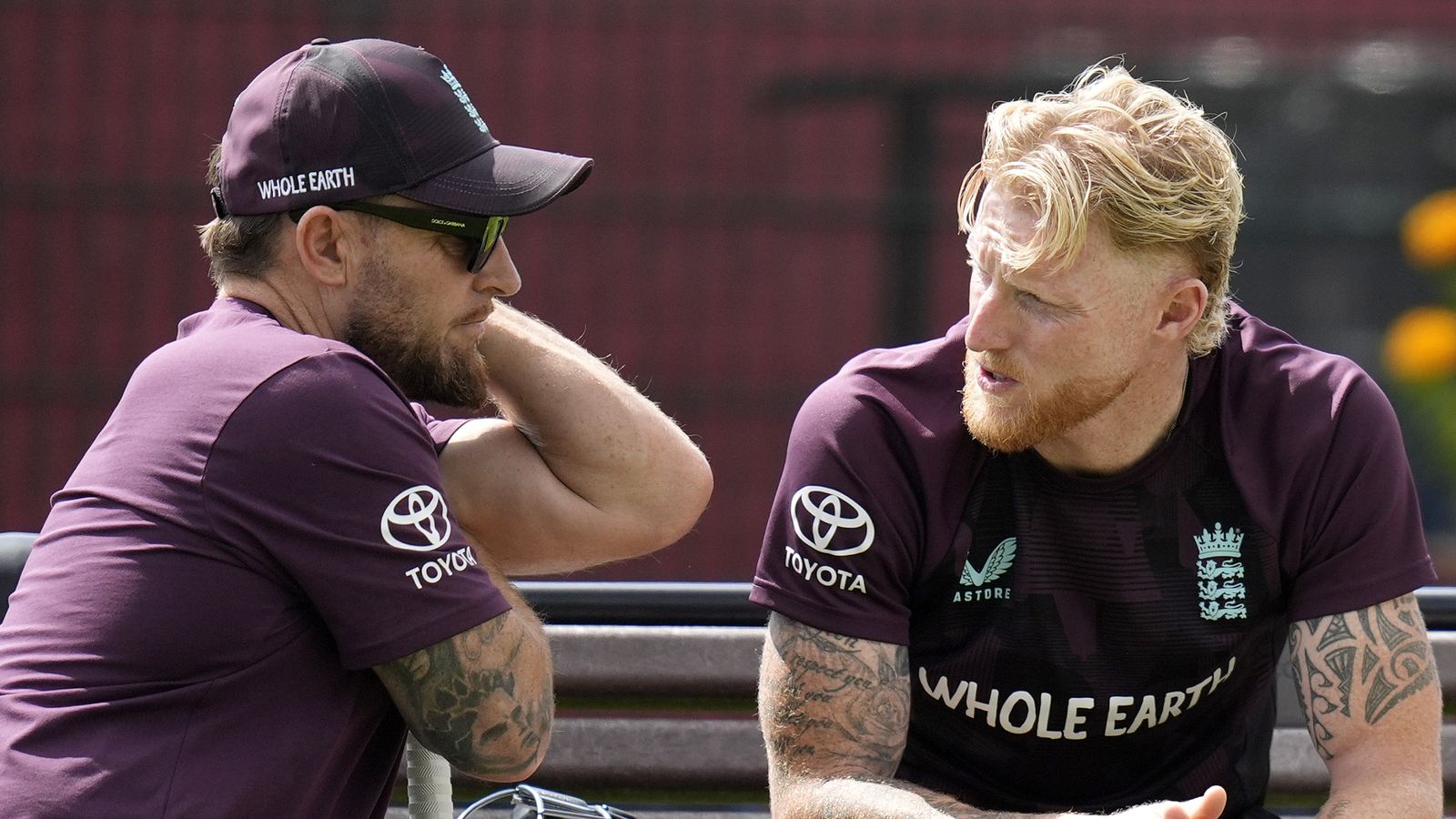
Rob Key, managing director of England’s men’s cricket, has clarified that there was no significant conflict between manager Brendon McCullum and Test captain Ben Stokes following the Ashes series. He elaborated on why both he and CEO Richard Gould decided to retain McCullum’s position amid scrutiny over the team’s performance.
During their tour of Australia this winter, England faced a challenging series, finishing with a 4-1 defeat. Their sole victory occurred in a dramatic two-day Boxing Day Test in Melbourne. McCullum’s preparation and aggressive coaching style drew criticism, leading to numerous off-field issues; some of these were described as “unprofessional” by Gould.
While there were instances where the messages from coach and captain diverged, Key dismissed the notion of a serious rift, emphasizing that the leadership was not seeking a drastic shift in philosophy. “I’m not asking Brendon to completely change who he is. His authenticity as a leader is vital,” Key stated, underpinning the value of their current approach.
Assessing the Trust in McCullum’s Strategies
Prior to the Ashes, England played only one warm-up match against the Lions, which had implications for the team’s adaptability on the bouncy pitches in Australia. Controversy arose around a mid-series break in Noosa, with reports of player misbehavior, including unverified footage of batsman Ben Duckett appearing intoxicated.
This incident mirrored past issues with white-ball captains, like Harry Brook and Jacob Bethell, who faced scrutiny for off-field conduct ahead of a one-day international in New Zealand. Despite this, England managed to navigate their way to the semi-finals of the World Cup, eventually losing to India in a closely contested match.
Gould commented on McCullum’s leadership style, noting, “Brendon emphasizes informality and approachability. His presence at matches may seem casual, but every decision reveals strategic depth.” His ability to analyze and adjust during games has been crucial, evident in past white-ball series’ outcomes.
The Commitment to Long-Term Success
Gould affirmed the organization’s commitment to reclaiming the Ashes by 2027, citing collaboration among leaders and a shared vision for future evolution. He reflected on the complexities of managerial changes in sports, stressing that simply making personnel changes often does not lead to success. “It’s tempting to shift personnel when results falter,” Gould remarked, reinforcing their strategy of building on lessons learned from recent disappointments.
The resilience displayed during the Ashes, despite the setbacks, illustrates their shared determination to improve and thrive as a team. Gould expressed that the experience of losing still stings, and “we’ve acknowledged our shortcomings” as they pivot toward upcoming major Test series.
Addressing the Disconnect with County Cricket
Key acknowledged the disconnect between domestic cricket and England’s setup, a recurring theme during the ‘Bazball’ era, asserting the need for renewed collaboration with county teams. In his earlier tenure, he refrained from involving himself with county cricket, a decision he now sees as a misstep. “There are better ways we can align our goals,” he stated, highlighting the importance of integrating local talent into the national framework.
Key noted that while talent emerges through the English cricketing system, the selection process should not solely rely on county performance metrics. Citing examples like Marcus Trescothick and Michael Vaughan, he defended their approach to identifying promising players based on potential observed in various formats, including limited-overs cricket.
As England prepares for its summer fixtures, Key emphasized the ongoing commitment to identifying and honing talent that will succeed at the international level. The upcoming three-Test series against New Zealand on June 4 marks the beginning of an important summer, with a renewed focus on collaboration between England’s national and county cricket structures to foster a stronger future for the sport.
