


Oil Prices Drop Following U.S. Diplomatic Shift on Iran
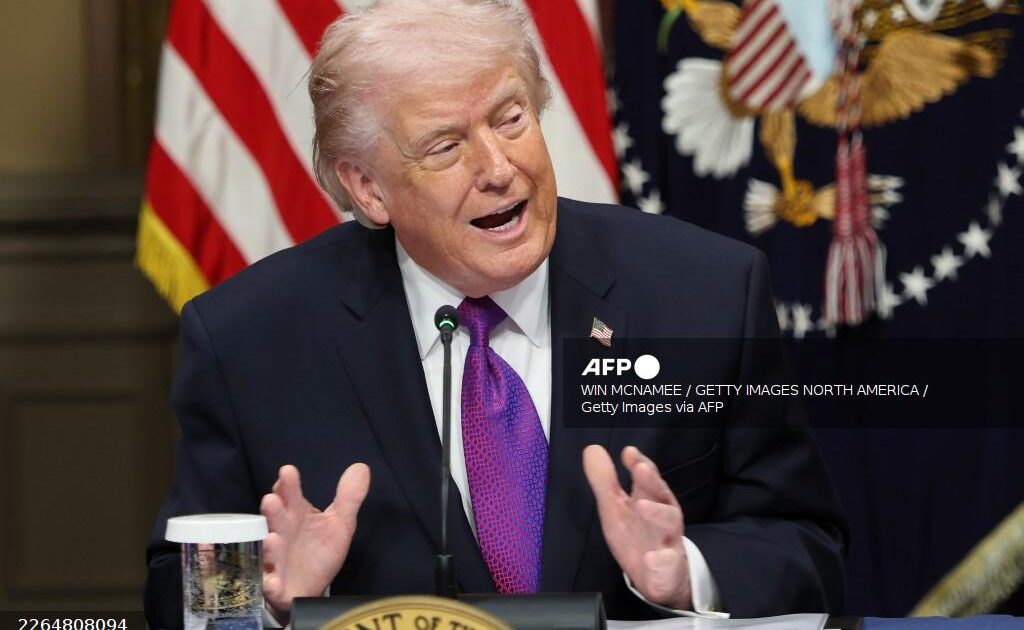
Oil prices experienced a significant decline of approximately 10% on Monday after U.S. President Donald Trump announced the cessation of planned strikes on Iran’s energy infrastructure, pointing to “very good” talks with Iranian officials. This announcement comes as a relief in the wake of escalating tensions that have driven oil prices to historic highs since the outbreak of hostilities in the Middle East.
Escalation in Energy Markets
The energy market saw a sharp increase in oil and gas prices following the U.S. and Israel’s military actions against Iran on February 28. In response, Iran’s government retaliated, sending Brent crude prices soaring by more than 40% and driving European gas prices up over 75%. Critical energy exports from the Gulf region, notably from Saudi Arabia, Iraq, and Qatar, faced severe disruption due to heightened tensions around the Strait of Hormuz, a vital shipping corridor responsible for transporting about 20% of the world’s oil and liquefied natural gas.
Global Economic Threats
Fatih Birol, Director-General of the International Energy Agency, warned on Monday that the ongoing energy crisis could pose a “significant threat” to the global economy. He noted that the conflict has reduced market supply by approximately 11 million barrels of oil per day, outpacing the impacts of the oil crises of the 1970s. The uncertainty caused by soaring prices contributed to increased volatility in the market, prompting investors to sell off shares and secure profits as soon as signs of de-escalation emerged.
Concerns Over Surging Prices
Investor anxiety intensified after President Trump issued a stark warning over the weekend, threatening that Iran must reopen the Strait of Hormuz within 48 hours or face the destruction of its energy infrastructure. This ultimatum raised alarms about the potential for oil prices to spike toward $150 per barrel, a scenario that analysts say would severely impact the global economy as well as public sentiment in the U.S. ahead of the approaching midterm elections.
Hope for Stability
However, following Trump’s announcement that U.S. military action would pause for five days, investor sentiment shifted. They interpreted this as a possible avoidance of the worst-case scenario. Analysts believe that while shipping disruptions can be addressed quickly after the conflict, repairing damage to energy infrastructure could take years. “Markets can handle temporary production losses, but prolonged reductions of 10% in global oil production are unsustainable,” cautioned Ole Varbier, a commodity analyst at SEB Bank.
Uncertain Future of Talks
While President Trump claimed progress in negotiations with Iranian officials, the Iranian Foreign Ministry has publicly disputed these assertions. Giovanni Staunovo, a commodities analyst at UBS, cautioned that uncertainties remain and emphasized the need for further clarity regarding the situation. The future of oil prices may depend significantly on both diplomatic developments and the restoration of secure shipping routes through the Strait of Hormuz. Even with potential agreements, a return to pre-war price levels seems unlikely in the immediate future.
Impact of Energy Facility Damage
Birol pointed out that at least 40 energy facilities in nine Middle Eastern nations have suffered “severe or very severe damage.” In light of the supply shortages, importing countries have started to draw from strategic reserves, which will eventually need replenishing — likely keeping both demand and prices elevated. The combination of geopolitical unrest and its ramifications on energy infrastructure continues to shape the landscape of global energy markets.
