


Dangote Warns of Possible Work-From-Home Measures Amid Middle East Crisis
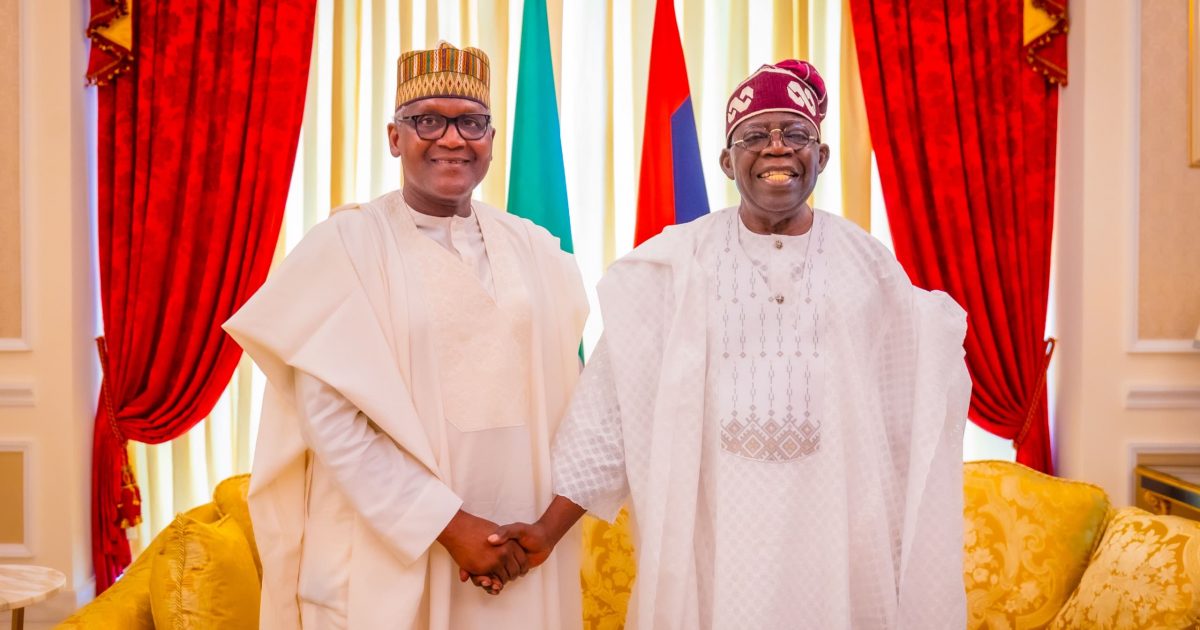
Aliko Dangote, Chairman and CEO of the Dangote Group, has cautioned that the ongoing crisis in the Middle East could lead Nigeria and other African nations to reinstate work-from-home policies reminiscent of the COVID-19 era, should the conflict intensify. His warning came after a recent meeting with President Bola Tinubu at his residence in Ikoyi, Lagos, where they discussed the economic ramifications of fluctuating oil prices on the already indebted continent.
Concerns Over Economic Impact
During the meeting, Dangote expressed his deep concern about how the instability in oil prices could exacerbate economic challenges in Africa, where many individuals live paycheck to paycheck. He noted, “If this situation does not improve, those in Africa, who typically have limited savings, will find themselves searching for immediate sources of income just to get through each day.”
International Responses to Energy Crisis
He referenced Indonesia’s approach to the ongoing energy crisis, where the government has mandated a four-day work week and is considering implementation of a full work-from-home policy. “Countries around the world are now looking at measures like these due to financial strains,” he remarked. “Should the crisis continue, we might have to adopt similar strategies.”
Impact on Small Businesses in Africa
Dangote underscored that ordinary Africans, particularly those operating small businesses, will bear the brunt of this crisis. “The rising costs of living will disproportionately affect individuals such as barbers, bakers, and those reliant on generators,” he noted. He warned that the economic pinch would become increasingly evident if the situation does not stabilize.
Call for Prayers and International Support
He made a heartfelt appeal for prayers and international intervention to resolve the conflict, stating, “All we can do is hope for an end to this crisis.” His comments reflect a growing concern among business leaders about the global implications of regional conflicts on local economies.
Promising Developments in UK-Nigeria Relations
Dangote also praised President Tinubu for fostering business relations during his recent visit to the United Kingdom, which culminated in a £746 million infrastructure agreement. “This deal is more than just financial support; it signifies a vote of confidence in Nigeria,” he said, acknowledging the challenges faced in negotiating with foreign partners.
New Opportunities for Nigerian Investors
Moreover, he revealed that Nigerian investors now have access to resources from the UK Export Finance Institution, an opportunity that has remained largely unexplored. “This signifies that the agency is opening its doors to Nigerian private citizens and encouraging them to seek financial assistance,” he explained. The focus of this agreement is on crucial areas like port development, which could significantly boost Nigeria’s infrastructure.
Ongoing Oil Price Fluctuations
The current crisis in the Middle East has heightened global concerns about oil price volatility, posing potential risks for inflation, transportation costs, and energy-dependant sectors across Africa. Despite being an oil-producing nation, Nigeria finds itself vulnerable to these price swings since it relies heavily on imported refined petroleum products.
