


Florida Governor Ron DeSantis signed the state’s new farm bill into law on Monday while confirming that Immigration and Customs Enforcement (ICE) agents would not be stationed at Tampa or Orlando airports.
Florida Farm Bill Becomes Law
On Monday, Governor Ron DeSantis officially enacted the Florida Farm Bill, marking a significant legislative achievement following the 2026 session. This bill is pivotal, influencing not only the state’s agricultural sector but also extending to various consumer protection measures.
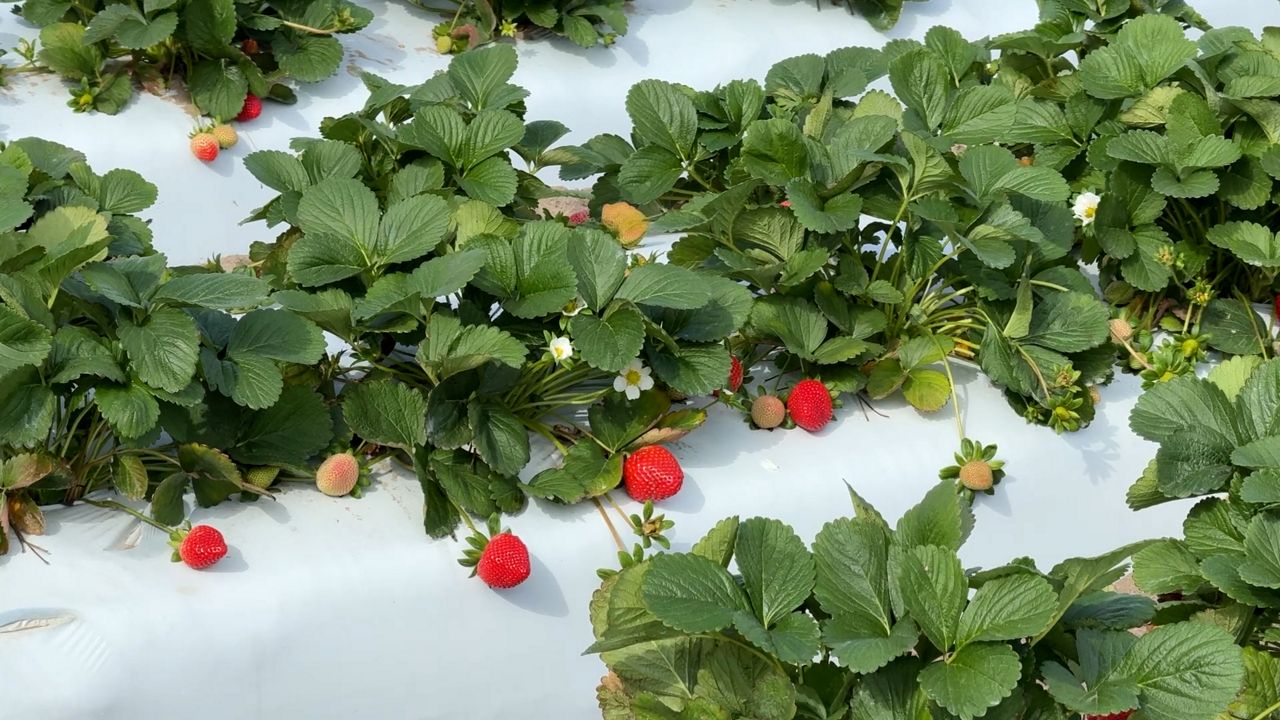
Senate Bill 290 aims to bolster Florida’s extensive farming community, which comprises over 45,000 farms and ranches. DeSantis emphasized the bill’s importance for the state’s economy and cultural heritage, asserting, “This is very, very important, not just for our economy, but for our culture and our lives as Floridians.”
Importantly, the new legislation prohibits local governments from banning gas and diesel-powered equipment. This restriction benefits both farmers and homeowners, preventing local authority overreach into agricultural practices.
Florida’s Agriculture Secretary, Wilton Simpson, underscored the bill’s significance, stating, “We protected gas and diesel equipment for farmers and preemptively returned it to the state in the future, ensuring that local regulations do not put us at a greater disadvantage.”
Another key feature of the bill is the permanent establishment of the Farmers Feeding Florida program, which directly connects local farmers with food banks, addressing critical food insecurity issues. Florida Senate President Ben Albritton lamented, “There’s something tragic and altogether horrifying about the idea that children go to bed hungry every night.”
Despite facing considerable opposition in the state Capitol, the bill includes provisions to streamline legal recourse for malicious claims against Florida’s agriculture sector. The dialogue surrounding these changes highlighted the ongoing tension related to the First Amendment and its implications for agricultural narratives in the state.
In addition to regulatory changes, Florida farmers have recently confronted numerous challenges. For instance, a historic freeze in January caused approximately $3 billion in damages. Local farmer Olivia Pope Helms described the devastation, stating, “We experienced the worst freeze I’ve ever seen in my life. The damage was devastating, but like many parts of the state, we’re working through it.”
Land loss remains a pressing issue for farmers. To combat this, the new legislation introduces protections aimed at curbing agricultural sprawl.
Meanwhile, significant disruptions are occurring in the travel sector, with thousands of Transportation Security Administration (TSA) employees reporting for duty after nearly a month without pay. This has led to extensive delays at many airports, although Tampa International Airport has managed to maintain efficiency.
Last weekend, President Donald Trump announced the deployment of ICE agents to at least 14 airports as a means of supporting TSA operations. However, Tampa International Airport will not be receiving ICE assistance, as the airport continues to operate smoothly.
Business traveler Darrell Williams experienced a painfully long security line in Atlanta, where he faced a five-hour wait. He described the situation as a “nightmare,” having missed multiple flights during the ordeal. Conversely, upon arriving at Tampa, he found streamlined processes with minimal wait times and no visible presence of ICE officers.
While TSA personnel have been working without compensation since mid-February, they are are expected to see staffing changes, including 400 retirements and the deployment of additional staff nationwide during this busy spring break period.
As the situation unfolds, President Trump reiterated the need for immigration officials at key airports, stating that their primary mission is to aid TSA operations and alleviate the hours-long delays that passengers are currently experiencing. Tampa airport officials have indicated that there have been no developments regarding the arrival of ICE agents at their facility.
Passenger opinions on the presence of ICE agents have been mixed. Some, like Williams, noted their visibility without any apparent supportive role, while others expressed a belief in the necessity of immigration oversight to ensure national safety.
