


Impact of Immigration Policies on School Attendance in Northern Illinois
In northern Illinois, federal immigration enforcement is causing significant anxiety among immigrant families, which in turn is affecting student attendance in schools. Despite the fact that U.S. Immigration and Customs Enforcement (ICE) agents have not frequently visited these schools, the fear of possible deportation has led many students to stay home.
Monica Diaz, the director of bilingual programs at Harvard School District 50 in McHenry County, noted a troubling trend where declining attendance and increased dropout rates are becoming more common. She emphasized that even with efforts to reassure families about the safety of schools, the fear of federal enforcement looms large, making some parents hesitant to send their children to classes.
Diaz elaborated that while schools have received legal guidance on responding to potential ICE interventions, the psychological toll is evident. “We’ve had families refrain from sending their children to school, with one recently opting to return to their home country due to concerns,” she stated. Nearly half of the district’s 2,503 students are English learners, revealing the broader implications of these fears on educational access.
The challenges are echoed in La Salle County’s Mendota School District 289, where Curriculum Director Tyler Pierce reported similar trends. Some families have chosen to withdraw their children from school, exacerbating stress within the community. “In the first days of this school year, discussions about ICE were prevalent. Our bilingual parents have even sought legal advice to understand their rights, yet uncertainties persist,” Pierce said.
Diaz added that the absence of students affects not only their performance but also creates additional workload for teachers trying to accommodate catch-up learning. “The impact on the classroom community is profound,” she explained. Likewise, Rochelle’s educators have focused on ensuring that students feel secure, with some administrators emphasizing the importance of monitoring students carefully amidst their parents’ fears of potential separation.
In Will County, the implications of immigration enforcement became starkly apparent when ICE conducted raids in Joliet and Chicago earlier this fall. Joliet Township High School District 204 Superintendent Teresa Guseman reported heightened fear and anxiety among families, affecting the overall learning environment. “The uncertainty surrounding immigration policies makes it particularly challenging for adolescents, who are already navigating various life transitions,” Guseman remarked.
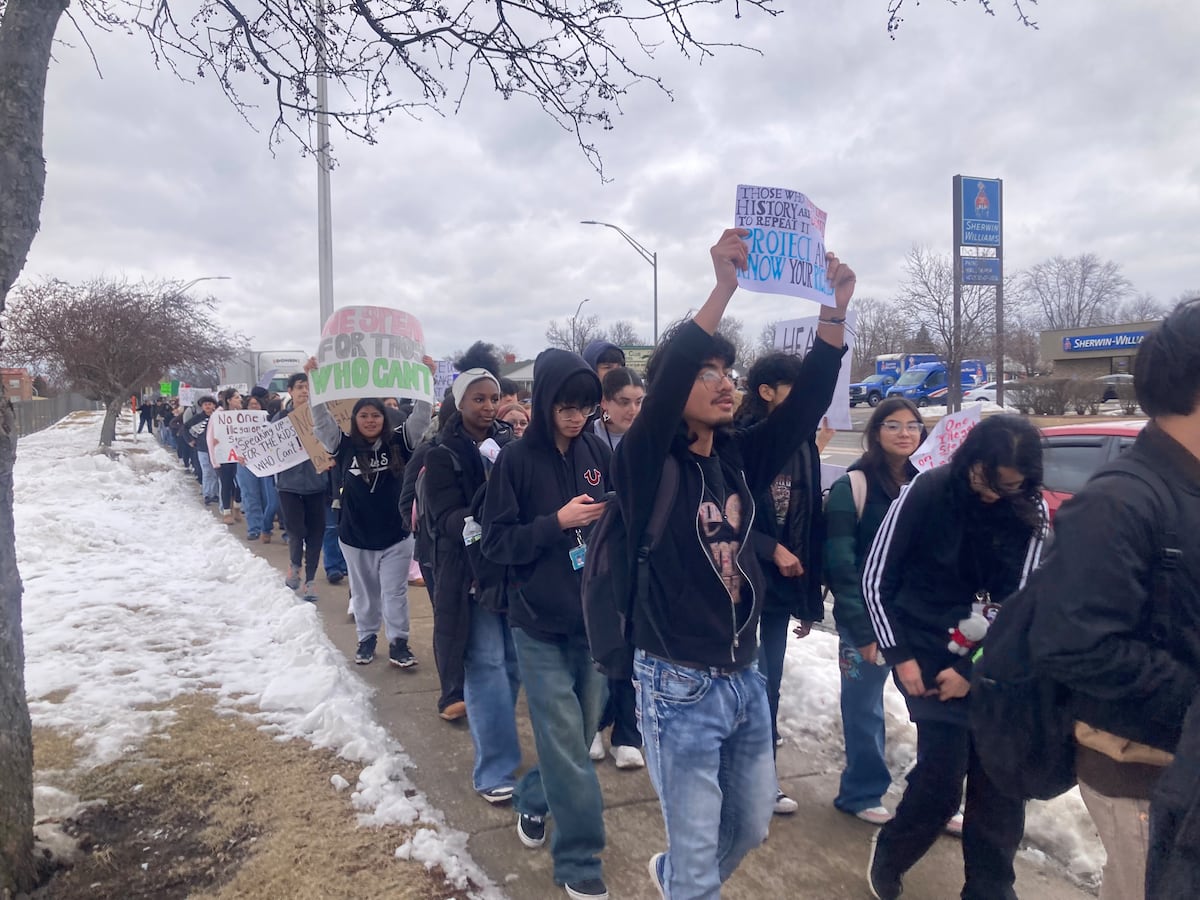
As immigrant arrests continue, students in districts such as Joliet, Oswego, and Bolingbrook have organized protests against the policies impacting their community. These efforts, driven by both Hispanic and non-Hispanic students, aim to advocate for the rights of their peers who have faced significant disruptions in their education.
District 204 has implemented targeted support for Spanish-speaking families, providing liaisons to help them access resources and understand their rights. Collaborative organizations, such as the Spanish Community Center, are crucial in addressing the rising anxiety among immigrant families. Executive Director Sylvia Acosta Chavez reported that fear and confusion surrounding immigration policies are preventing families from engaging with school communities. “We work closely with partners to provide legal resources and preparedness training for families,” she noted.
Despite the climate of uncertainty, schools remain committed to serving immigrant families. Administrators like Edgar Palacios, director of multilingual services at District 204, emphasized the importance of building connections with families. “We want all families to feel safe and welcomed in our schools,” he said. “The sense of relief among families as they engage with us speaks volumes about the school’s role as a safe space.”
