


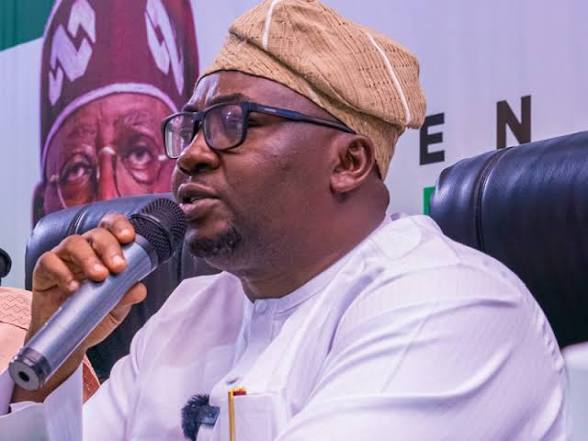
Minister of Power Apologizes for Ongoing Power Outages
Power Minister Adebayo Adelabu has issued an apology to Nigerians regarding the persistent power outages plaguing households and businesses amid the sweltering dry season. His comments came during a press conference in Abuja on Tuesday, where he acknowledged that the interruptions have significantly disrupted daily routines and comfort during particularly high temperatures.
Government Acknowledges Inconvenience Amid Rising Temperatures
In his remarks, Minister Adelabu expressed regret over the hardships caused by these outages, specifically highlighting the strain experienced during the current hot spell. He stated, “As the Minister of Power, I would like to formally apologize to Nigerians for the hardship this temporary issue is causing.”
Identifying the Root Causes of Power Interruptions
Adelabu elaborated on the underlying factors contributing to the outages, which include challenges beyond the ministry’s direct influence, such as gas supply issues and aging infrastructure. He emphasized that the Nigerian government is continuously working to mitigate these challenges, with improvements anticipated in the coming two weeks.
Special Committee Formed to Ensure Gas Supply Compliance
Acknowledging the critical role of gas power plants in Nigeria’s energy supply, Adelabu highlighted a special committee tasked with monitoring gas producers’ compliance with domestic supply obligations for power generation. He noted that reliable gas supply is essential for restoring power generation capacity.
Infrastructure Repairs Underway to Restore Power Generation
Critical repairs involving facilities operated by Seplat Energy are currently in progress, with the aim of restoring gas flow to power plants. Adelabu reassured the public that the government is taking necessary steps to address these operational challenges.
Future Prospects for Nigeria’s Electricity Supply
Looking to the future, Minister Adelabu expressed optimism regarding improvements in the country’s electricity supply. He reaffirmed the federal government’s goal of achieving 6,000 megawatts of electricity generation by the end of 2026, characterizing the present outages as merely a temporary setback.
Public Discontent Amid Rising Fuel Costs
Despite the minister’s assurances, public reaction has been overwhelmingly negative. Many Nigerians are frustrated by the severity of the outages, with concerns over their impacts on health, business, and overall quality of life. Rising prices of gasoline and diesel have made the operation of generators economically unfeasible for most households, leaving few options, such as solar power, available.
Questions have arisen regarding Adelabu’s efficacy in his role, with some citizens expressing doubt about the president’s decision to appoint him as Minister of Power. Skepticism remains widespread, as many recall previous instances where similar assurances were issued without resulting in real change. The long-standing structural and operational challenges—such as gas supply disruptions, aging infrastructure, and liquidity issues—continue to hinder stable power delivery in Nigeria. As efforts to rectify these issues continue, Nigerians are left waiting for meaningful progress.
