


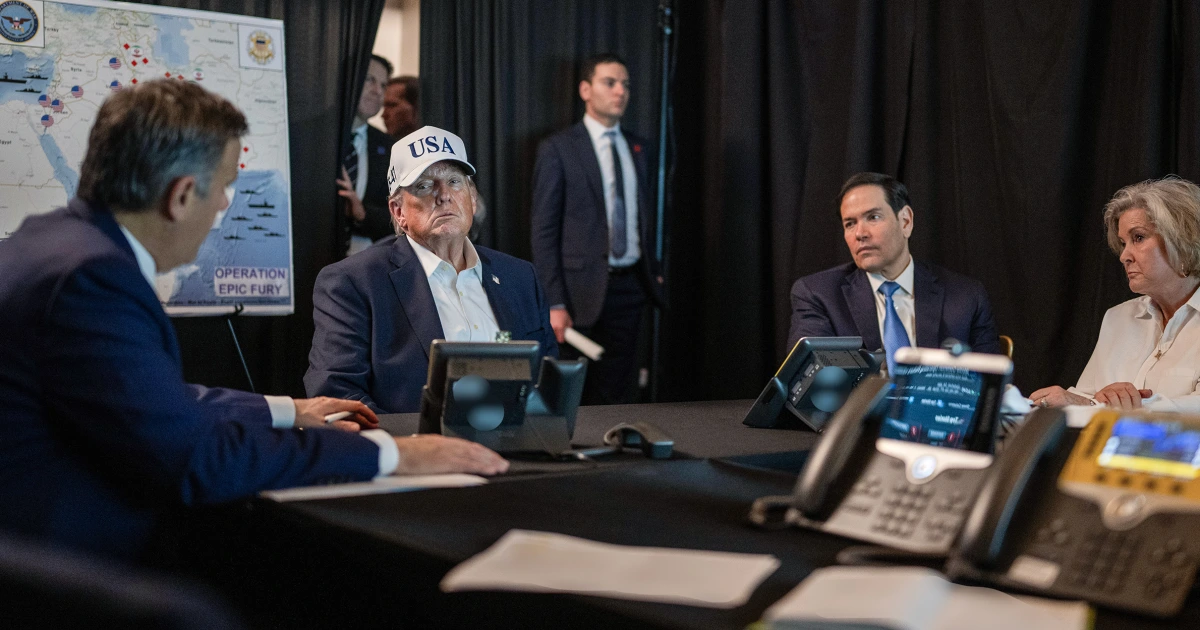
U.S. Military Briefs Trump Daily on Iran Conflict Amid Concerns
WASHINGTON – Since the onset of the Iran war, U.S. military officials have been preparing daily video briefings for President Donald Trump, showcasing what they describe as the most significant attacks on Iranian targets over the preceding 48 hours, according to three current and one former U.S. official. These videos, usually about two minutes long, often feature clips of military strikes and explosions.
Alongside the daily montages, Trump receives updates through discussions with military and intelligence leaders, foreign diplomats, and media outlets. However, some of Trump’s allies are worried that he may not grasp the full situation as the conflict approaches its fourth week. They suggest that the video briefings might be leading to his frustration with media portrayals of the war’s developments. Reports indicate that Trump has expressed dissatisfaction over why the administration cannot shape public discourse more favorably and why news organizations largely overlook the successes he perceives.
White House Press Secretary Caroline Levitt refuted claims that President Trump lacks a comprehensive understanding of the conflict, asserting that such allegations are unfounded. “Anyone who has participated in a meeting with President Trump knows that he actively seeks out and values input from everyone present,” Levitt stated. Pentagon spokesperson Sean Parnell echoed this sentiment, declaring “Operation Epic Fury” a resounding success, with U.S. forces executing their mission with remarkable precision and meeting all established goals. He emphasized that Secretary of the Army Pete Hegseth is in constant touch with Trump regarding every aspect of the operation.
While discussions about sensitive military operations remain restricted to a select group, officials say Trump encourages diverse opinions in his consultations. He frequently seeks feedback from an array of outside advisers to gauge public sentiment. An NBC News poll indicated that public perception of the war is sharply divided along political lines, with a majority expressing dissatisfaction with Trump’s handling of the situation. Nevertheless, Trump continues to enjoy robust support among self-identified supporters of the “Make America Great Again” movement, which reported a 100% approval rating for his approach to military action.
The dynamics of how presidents receive information about war developments, especially negative ones, take on heightened importance during times of conflict. Historical precedents reveal that advisers often face challenges in striking a balance between presenting a comprehensive overview and stressing achievements. Throughout previous wars, from Vietnam to Iraq, officials have been criticized for falling into “groupthink,” either downplaying unfavorable facts or overlooking strategic shortcomings.
Current and former officials acknowledge that while the military cannot brief Trump on every tactical operation—given the hundreds of daily attacks—the selected video highlights, albeit illustrating U.S. capabilities, do not capture the entire conflict. As one official noted, Trump often receives feedback that is more favorable when his press conferences concentrate on U.S. victories. An example of this perspective shift is illustrated by an Iranian attack on U.S. Air Force refueling planes, which Trump reportedly learned of through media coverage rather than formal briefings. Behind the scenes, he expressed frustration with such reports.
Levitt defended Trump’s criticisms of media coverage, stating that “trust in the mainstream media is at an all-time low” and that their consistently negative portrayal of military successes fuels the President’s frustrations. Some of Trump’s supporters believe he may be missing critical insights due to a lack of comprehensive information on the conflict’s status, resulting in his inability to make informed decisions regarding military options.
In recent days, efforts have emerged to equip Trump with broader contexts, including potential outcomes of the conflict and strategies for de-escalation. Poll results indicating a decline in Trump’s approval since the war’s commencement have prompted concern among his allies, leading to a concerted push to support him with diverse perspectives. Trump’s communication with journalists is reportedly robust, involving numerous calls to discuss his position and potential steps moving forward, as well as frequent conversations with foreign leaders, particularly Israeli Prime Minister Benjamin Netanyahu.
