


Helena City Commission Rescinds Immigration Resolution Amid Legal Concerns
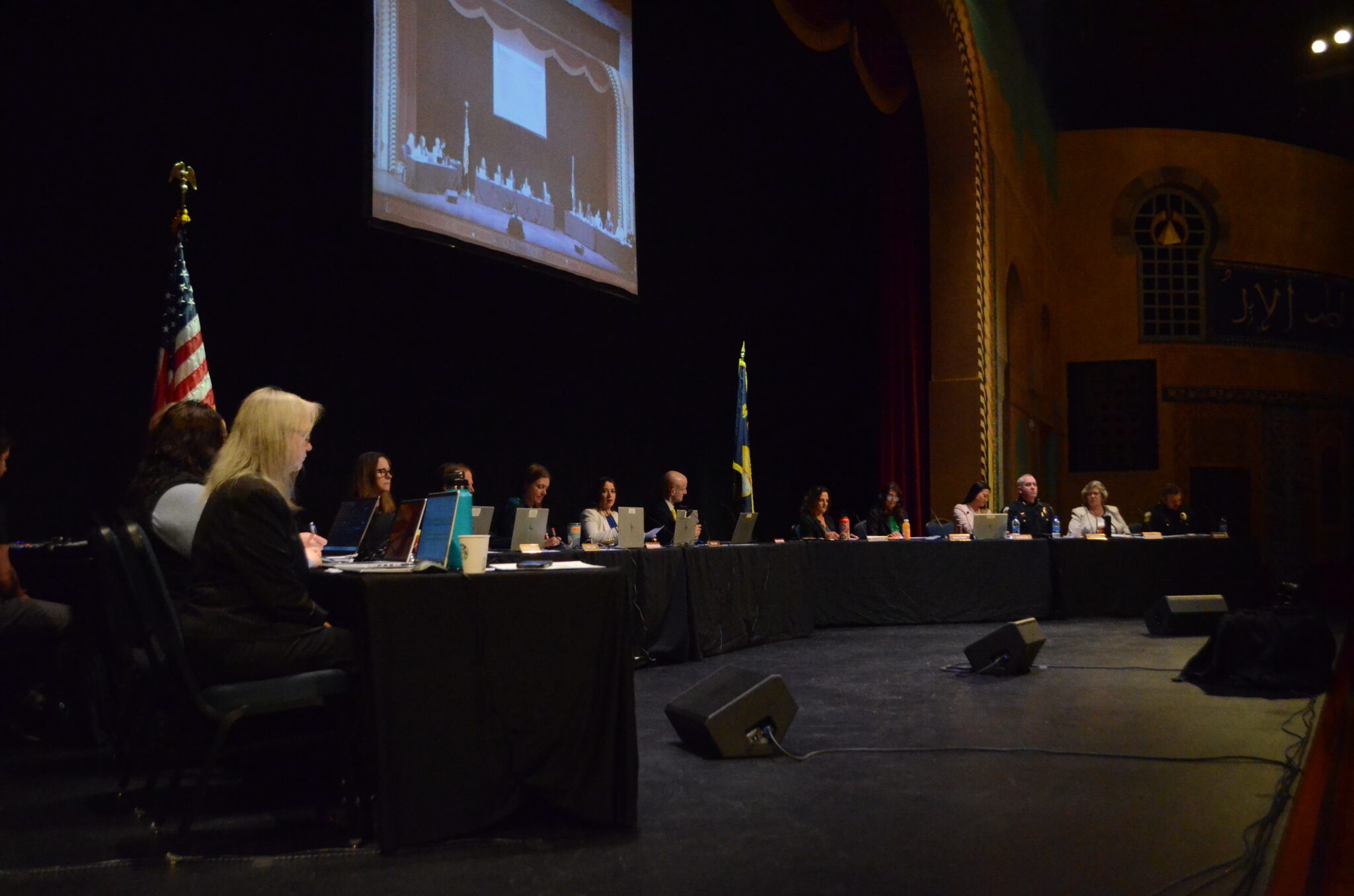
The Helena City Commission convened a special meeting Thursday night at the Civic Center, where it decided to rescind its recent immigration resolution. The rollback, motivated by legal advice and potential financial repercussions, aims to mitigate the risk of significant losses for the city.
This resolution was originally adopted on January 26, amid considerable public backing, as a way to affirm the city’s commitment to its immigrant communities and clarify its stance regarding interactions with federal law enforcement. However, following a contentious investigation initiated by Governor Greg Gianforte and Attorney General Austin Knudsen, the legality of the resolution came under scrutiny, marking a turning point for city officials.
In light of the state’s investigation, Helena city leaders expressed concerns about the prospect of fines and litigation that could amount to as much as $14 million. The meeting also featured around 200 attendees, many of whom voiced their displeasure towards the state’s actions, describing them as an overreach and “political theater.” Some community members argued that the threat of financial losses was exaggerated, while others believed the legal battle was worth the risk.
Following nearly three hours of public comments, the commission voted 4-1 to rescind the resolution. Commissioner Melinda Reed was the sole dissenting vote. Mayor Emily Dean expressed her discontent yet acknowledged that pulling back was necessary to safeguard the city’s financial stability.
Dean articulated her concerns regarding state overreach and the implications for local governance, indicating a belief that such actions infringe on the community’s values and capabilities to fund essential services. The Attorney General’s office challenged the city’s previous resolution, claiming it violated HB 200, a law that prohibits sanctuary cities in Montana.
The AG’s office further threatened Helena with a fine of $10,000 for every five-day violation, leading to possible penalties exceeding $120,000. City officials defended their initial resolution, stating that comprehensive legal reviews and significant staff hours were invested in its development.
Attorney Natasha Jones, who provided legal counsel to the city, spoke extensively at the meeting, highlighting the risks to city funding that might arise from any perceived violations. She indicated that vital state funding streams, including those for water and transportation, could be jeopardized, making it crucial for Helena to align with state expectations in order to minimize further economic strain.
Public comments during the meeting ranged from calls for the city to contest the attorney general’s actions to concerns about the potential impact on community safety and trust in law enforcement, especially following incidents of mistaken identity involving federal agencies. The diverse range of opinions underscored the deep divisions within the community regarding immigration issues and the operational autonomy of local government.
The fallout from the recent events remains to be seen, as the city contemplates potential revisions to its immigration approach. Proposed amendments, which received support from groups like the ACLU of Montana, signal a willingness to find a middle ground while maintaining the city’s commitment to community values.
