


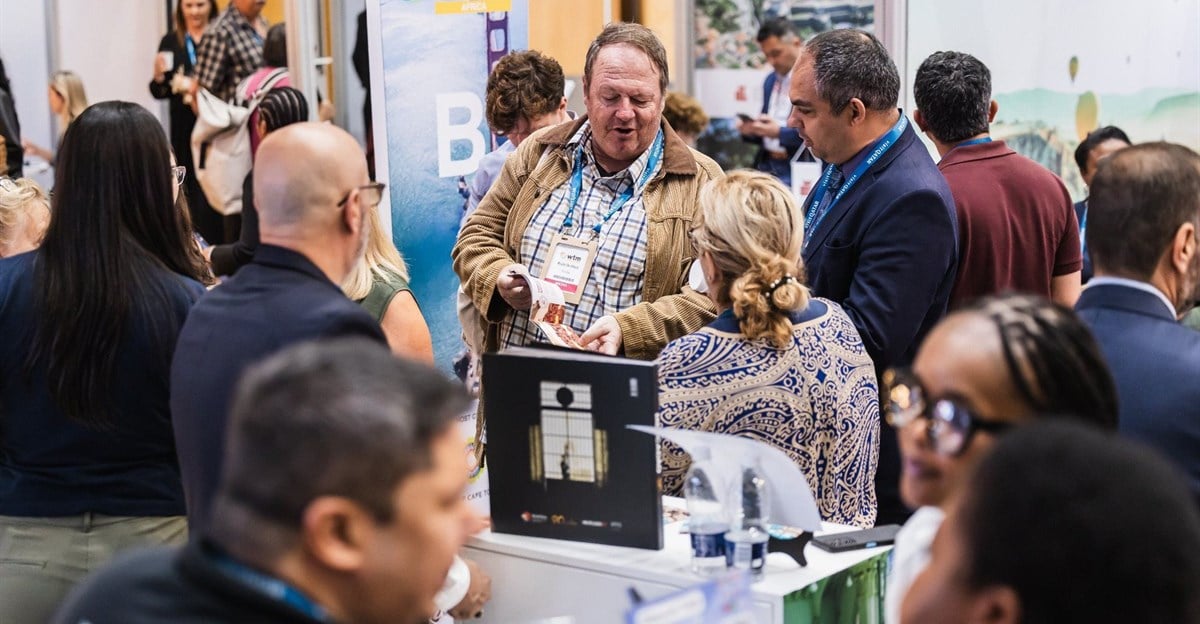
In an era dominated by digital solutions, the relevance of physical trade shows has come under scrutiny. Detractors claim that advancements in online tools, platforms, and artificial intelligence have rendered in-person events not only outdated but also unnecessarily expensive. However, the success of sold-out shows like WTM Africa demonstrates their ongoing importance. These gatherings foster trust, connect key industry players, and build relationships that technology alone cannot replicate.
Rather than becoming obsolete, contemporary travel shows are blending technology with personal interaction. While technology can efficiently manage administrative and logistical tasks, the value of face-to-face exchanges is vital for creating the high-impact relationships that define the travel sector.
The Trust Gap Persists
International agents who arrange trips to remote destinations in the Okavango region are not merely booking itineraries; they are investing their reputations in the overall visitor experience, from arrival to departure. Online reviews and booking history provide only a fraction of the necessary insight. Trust is cultivated through referrals, established reputations, and authentic interactions. In-person discussions often reveal more about an operator’s credibility, professionalism, and character than can be gleaned from digital profiles alone.
Many African Products Lack Online Presence
This phenomenon is particularly pronounced in Africa. In rural and emerging markets, numerous exceptional experiences and small businesses maintain a minimal digital footprint. Relying solely on online platforms could mean overlooking these hidden treasures. Events like WTM Africa provide these operators a platform, actively supporting community-based businesses through regional pavilions and focused matchmaking with potential buyers. International visitors struggling to locate small operators in Limpopo can now establish valuable face-to-face connections, gaining a deeper understanding of what these businesses offer and securing bookings on the spot.
Technology as an Enhancer
Modern trade shows leverage technology to boost efficiency and return on investment. AI-driven matchmaking tools pre-arrange meetings between appropriate buyers and suppliers, enabling participants to engage in high-value discussions rather than aimlessly navigating the event floor. Furthermore, real-time analytics and digital venue simulations help streamline planning, minimize scheduling conflicts, and allow organizers to adapt participation dynamically.
Authentic Connections in a Digital Age
While technology facilitates meaningful networking, it does not replace the human element. Events like WTM Africa incorporate smart matchmaking with immersive and enjoyable activities to nurture genuine connections. The Stellenbosch Street Soirée, recreated within the CTICC, offers attendees a casual atmosphere conducive to informal networking. Such community-focused experiences cater to professionals seeking both efficiency and genuine interpersonal engagement.
Gen Z Values Face-to-Face Interactions
Contrary to popular belief, younger generations are intentionally pursuing immersive in-person experiences. As digital natives, they appreciate the efficiencies technology offers while recognizing the value of personal connections formed on the event floor. They attend these shows to learn, advance their careers, and engage in meaningful conversations, not merely because it’s a popular trend.
Critics frequently highlight the costs associated with exhibitions, yet when these events are strategically paired with digital tools, they can facilitate long-lasting relationships. A single partnership forged at a trade show can yield sustainable business for years, surpassing the transactional value of online leads. With events like WTM Africa consistently selling out in advance, the message is clear: Africa’s travel trade fairs remain relevant. They are evolving into sophisticated centers where technology enhances processes and human connections propel the industry forward.
