


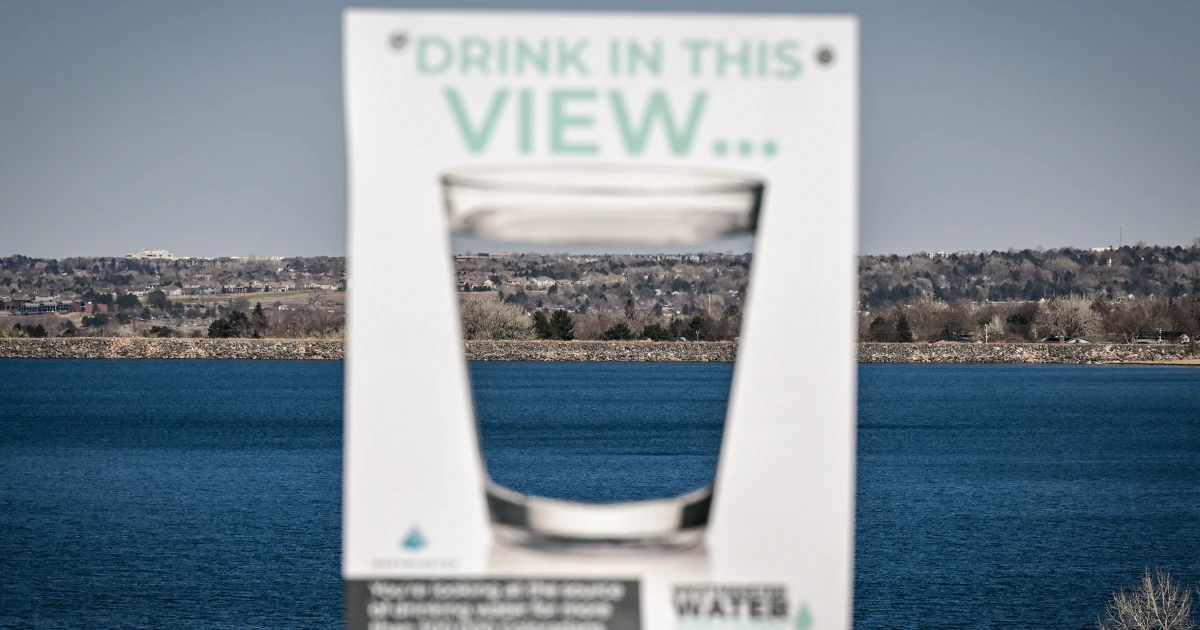
Colorado Residents Brace for Unprecedented Water Restrictions
Coloradans are facing some of the earliest water restrictions in recorded history amid a severe snow drought and an intense heatwave. The drinking water utility Denver Water announced on Wednesday a mandate for a 20% reduction in water usage, urging residents to deactivate automatic irrigation systems until mid-May. Furthermore, they limited watering of trees and shrubs to only twice a week.
Serious Water Crisis in Colorado
Todd Hartman, a spokesperson for Denver Water, emphasized the severity of the situation, stating that if current conditions persist, residents might soon be limited to just one day of watering per week. This marks the first time in 2023 that Denver Water has imposed such restrictions.
Unprecedented Snowpack Levels
This year, Colorado’s snowpack peaked at alarmingly low levels on March 12, approximately one month ahead of the usual timeline. The recent heatwave swept across nearly every state in the West, further exacerbating the situation. Peter Goble, Colorado’s assistant state meteorologist, reported that snowpack amounts are currently the lowest since at least 1981, with about 40% of the snowpack lost since its peak.
Drought Concerns Across the Western States
The stringent water restrictions implemented by Denver Water may be indicative of broader challenges facing many states in the West as officials grapple with extensive drought conditions. According to the U.S. drought watchdog, nearly every snow basin throughout the Mountain West is experiencing record warmth this winter, leading to water supplies falling significantly short of normal levels. The diminished snowpack is likely to heighten the risk of wildfires, limit hydroelectric power generation, and impose restrictions on agricultural water use.
Broader Impact on Local Communities
Hartman revealed that almost every community along Colorado’s eastern mountain range is contending with similar circumstances as those in Denver. Aurora City Council members are now weighing similar water restrictions, as the city’s reservoirs are at approximately 58% capacity. A water shortage emergency was declared on March 20, following a notable spike in water consumption in the town of Erie.
Emergency Measures in Erie
Gabi Ray, a spokesperson for Erie, expressed concerns over the town’s dwindling water supplies, warning that many residents have begun watering their lawns prematurely due to the unseasonably warm weather. Officials urged residents to halt all irrigation activities, describing the situation as critical and time-sensitive.
Record-Setting Temperatures and Future Measures
This month’s heatwave has set records throughout Colorado, with temperature increases sometimes reaching double digits. Goble noted the unprecedented nature of these records, adding that on a recent Saturday in Fort Collins, temperatures soared to 91 degrees Fahrenheit, surpassing the previous March record of 81 degrees. In light of these alarming trends, Erie officials plan to utilize smart meters to monitor water consumption and will deploy public works crews to identify anyone ignoring the outdoor watering restrictions.
Reservoir Status and Future Projections
Denver Water serves approximately 1.5 million residents across Denver and surrounding areas, sourcing about half of its water from the Upper Colorado River and South Platte River watersheds. As of now, the latter’s snowfall is about 42% of normal levels, while the former is at 55%. Systemwide, Denver Water’s reservoirs are approximately 80% full, only 5% below typical levels. However, with the current low snowpack, Hartman cautioned that the utility cannot rely on substantial water replenishments until the late spring or summer runoff peaks.
