


South African Comedian Faces $27 Million Lawsuit Over Viral Misinterpretation of Disney’s Lion King Chant
A South African comedian is embroiled in a legal dispute, facing a $27 million lawsuit related to a viral joke that misinterpreted the iconic “Circle of Life” chant from Disney’s *The Lion King*.
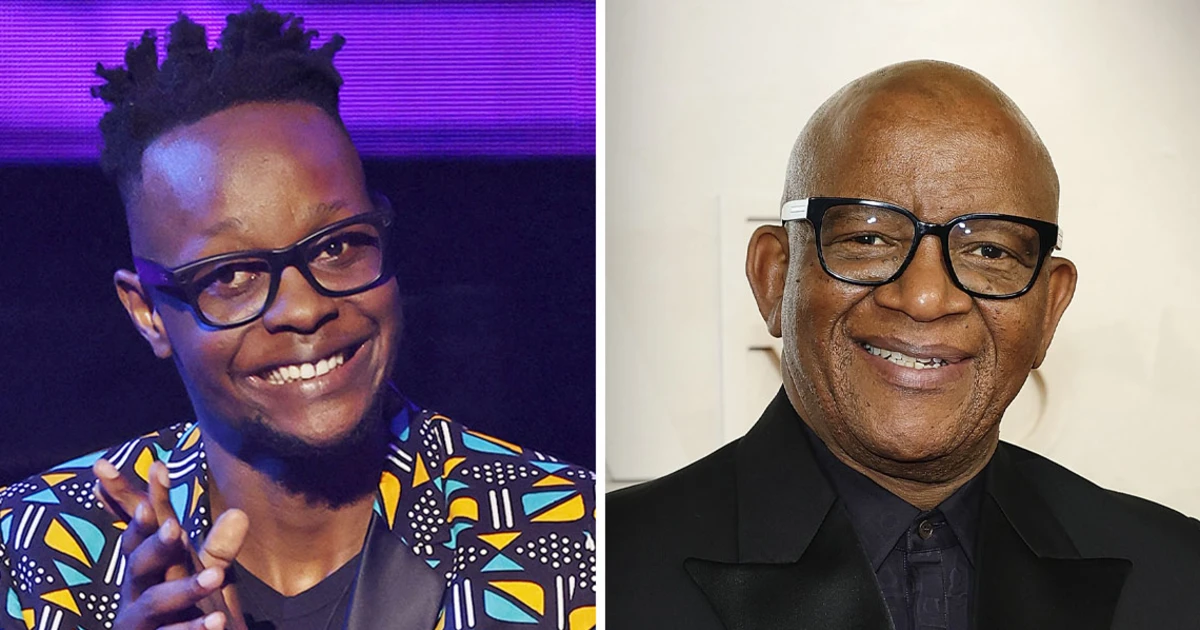
Lebohan Molake, acclaimed Grammy-winning composer known for his Zulu vocals in the film, filed a federal civil suit in California on March 16 against comedian Larnmore Jonasi. The suit alleges that the incorrect translation of the chant has not only misrepresented the original work but also jeopardized Molake’s career and creative legacy.
Jonasi, whose real name is Larnmore Mwanyeka, has yet to respond publicly to requests for comment, and details regarding his legal representation have not been disclosed.
In an effort to cover his legal expenses, Jonasi initiated a GoFundMe campaign, labeling the lawsuit as “unjust.” As of Friday afternoon, he has successfully raised over $16,000 through the campaign.
Disney has not provided a statement regarding the lawsuit when contacted for comment.
In a recent appearance on the *One54 Africa* podcast, Jonasi participated in a discussion where the host sang the chant and prompted him for its meaning. Jonasi controversially responded with his own translation, stating, “It means, ‘Look, there’s a lion. Oh my god.'”
On the other hand, Molake, who is professionally known as Lebo M., asserts in his lawsuit that the chant “Nantingonyama Bhagiti Baba” is accurately translated to “All praise the King, and we all bow before Him.” He filed the complaint in the U.S. District Court for the Central District of California, residing in the area.
The lawsuit characterizes the chant as a “royal praise poem” crafted in IsiZulu and IsiXhosa. While the song is featured in *Circle of Life*, the suit emphasizes that it stands as a distinct proclamation of African heritage rooted in South African tradition.
The lawsuit concedes that “Ngonyama” translates to “lion” in Zulu, yet it challenges the metaphorical implications and the tradition of Imbongi praise, asserting that “Ngonyama or Ingonyama” symbolizes kingship. Furthermore, the complaint condemns Jonasi’s mistranslation as a destructive “terrible joke,” claiming it undermines Molake’s artistic integrity.
The document delineates that Jonasi presented his interpretation as factual information, seeking to amplify exposure and effectively ridicule Molake’s work. It also highlights social media reactions wherein individuals expressed disappointment in Jonasi’s translation, with some claiming it “ruined their childhood.”
While the organizers of One54 Africa have refrained from commenting on the lawsuit, the complaint details an Instagram message from Molake to Jonasi, asserting that the comedian’s remarks about the chant were disrespectful to African culture. In response, Jonasi expressed regret for being perceived negatively and noted that he has performed the joke for eight years.
In a video statement dated March 13, Jonasi acknowledged that he had discussed the chant with Molake, framing his remarks as a comedy bit meant to spark dialogue. He expressed a willingness to collaborate with Molake, unaware of the chant’s deeper significance. The complaint also mentions Jonasi performed the controversial joke in Los Angeles, which received a standing ovation, while revealing the lawsuit’s initiation during his on-stage performance.
