


Launch of 3 Million Technical Talents Programme Marks a New Era in Digital Skills Development
The Federal Government has unveiled the next phase of its flagship digital skills initiative, the 3 Million Technical Talents (3MTT) programme. This new phase includes the establishment of a partner network designed to enhance its outreach and foster greater collaboration within the industry.
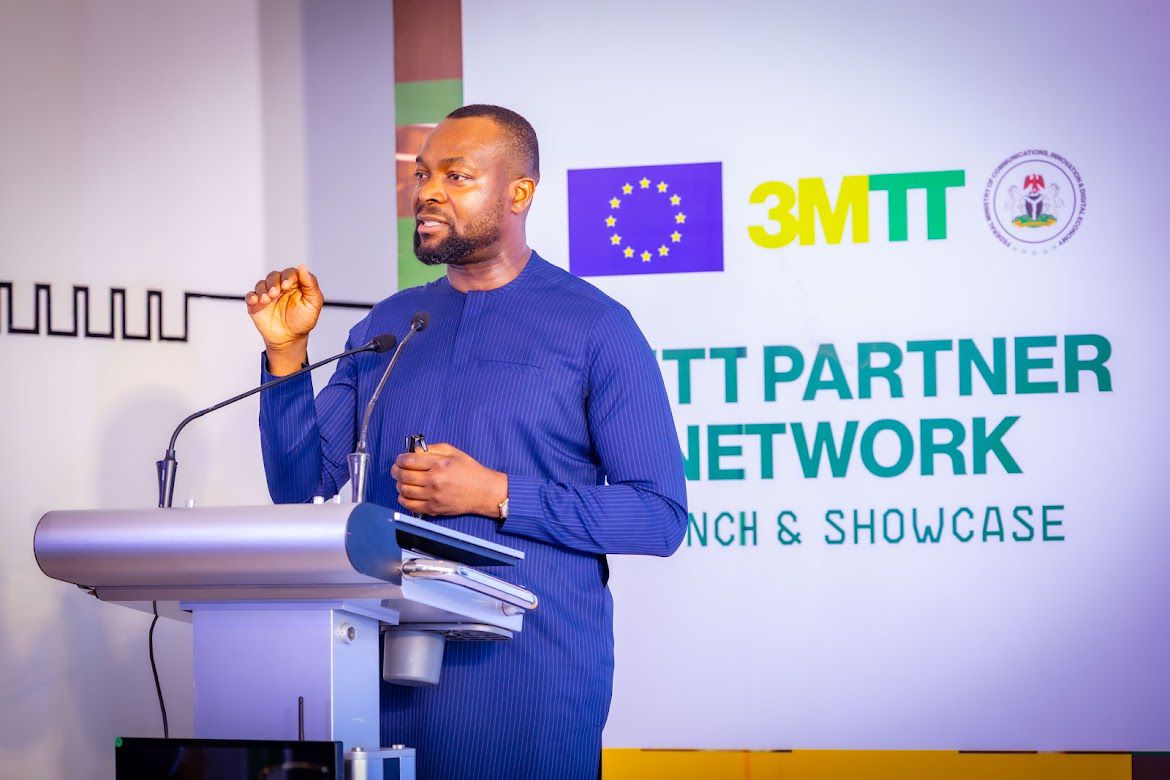
The launch event, held on Thursday, congregated a diverse array of public and private sector stakeholders, including representatives from the European Union, Finland, Spain, and several leading technology companies from around the globe.
During the launch, Dr. Bosun Tijani, Minister of Communications, Innovation and Digital Economy, emphasized the importance of leveraging Nigeria’s demographic advantages. He pointed out that the country is becoming increasingly central to global technology discussions due to its rapidly expanding youth population.
Dr. Tijani warned that failing to utilize this growing population effectively could lead to negative consequences, stating that without strategic investment in human capital, Nigeria risks having a population that could be exploited for harmful purposes.
Introduced in 2023, the 3MTT initiative is more than just a training scheme; it is a targeted response to the widening talent gap within the global technology landscape. The goal of the programme is to position Nigeria as a leading source of skilled technical professionals while contributing to global prosperity.
Dr. Tijani noted that the initiative is not solely focused on training for the local labor market; instead, it aims to establish Nigeria as a global hub for talent and a vital partner in the international arena.
He acknowledged the significant contributions of pivotal technology stakeholders, including Microsoft, Monypoint, and Google, whose support has been instrumental in the program’s early achievements.
Shift Towards Sustainable Industry Integration in Technical Training
The introduction of the 3MTT Partner Network marks a pivotal shift from basic training to scalable impact. Dr. Tijani explained that this new phase will emphasize sustainability, industry partnerships, and job placement opportunities.
“Training individuals is one aspect, but securing them meaningful employment is another crucial step,” he stated, urging partners to create pathways that connect newly trained professionals with job opportunities.
The Partner Network is not just about financial contributions; it also encompasses various roles, such as Delivery Partner Networks responsible for executing programs and Affiliate Training Networks dedicated to broadening training capabilities and reach.
International Support Amplifies the Initiative’s Reach
A significant highlight of the event was the announcement of a €5 million commitment from the European Union and an additional €6 million from Denmark, which elevates total support for the initiative to $11 million.
Massimo De Luca, Head of Cooperation of the EU Delegation to Nigeria and ECOWAS, characterized this partnership as a strategic investment in the future of Nigeria’s digital landscape. He stressed the importance of a coordinated approach to building digital skills, which should encompass policy direction, infrastructure development, and effective ecosystem collaboration.
Private sector partners have also contributed notably to the program. Airtel Nigeria, for instance, surpassed its initial goal of training 25,000 participants and successfully trained an additional 4,000, bringing the total to 29,000 trainees, including women and individuals with disabilities across six geopolitical regions.
Empowering Individuals for a Global Workforce
The United Nations Development Program (UNDP) has joined forces through the Nigeria Jubilee Fellows Programme, creating employment prospects for trained individuals while providing monthly stipends of N150,000 for one year.
Meanwhile, Microsoft has issued over 3,500 globally recognized certifications to participants, significantly enhancing their competitiveness in the international job market.
The event featured inspiring testimonials from beneficiaries, including Ismail Muhammad Adamu, a former teacher from Jigawa State who transitioned into software engineering. He secured third place in the Digital for All Challenge, earning a prize of N10 million to develop digital solutions for artisans.
Another success story comes from Habeebat Adetayo, who leveraged her training in product management to forge a career in human resources.
Through the 3MTT programme, Nigeria is establishing itself as a conduit for talent development, innovation, and economic growth, reinforcing its position in the global digital economy.
