


One of the first actions taken by an Argentine immigrant after her son was born in Florida last year was to secure a U.S. passport for him. For her, this passport symbolized irrefutable proof of his American identity. However, she now finds herself embroiled in legal battles against President Trump’s presidential bid, which seeks to implement an order that would deny American citizenship to children born in the U.S. to individuals in the country illegally or temporarily.
“It feels odd since I had already planned to apply for his passport before he was born,” the 28-year-old mother, who requested anonymity out of fear of repercussions from the administration, shared with The Associated Press. As her son, now seven months old, napped nearby, she expressed her relief that he is currently safeguarded from the looming changes.
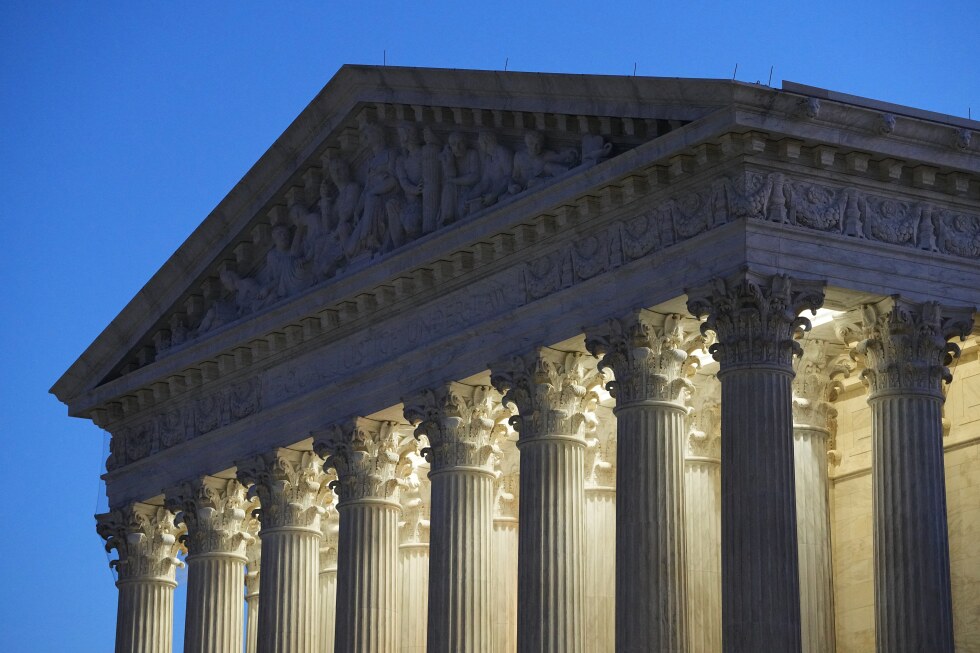
On Wednesday, the U.S. Supreme Court heard arguments regarding the legality of President Trump’s executive order, signed on January 20, 2025, his first day in office. This case examines whether the order aligns with the post-Civil War societal context and the provisions of the 14th Amendment, which has historically been interpreted to grant citizenship to anyone born in the country, with limited exceptions for children of foreign diplomats and hostile forces. So far, all courts that have reviewed this matter have deemed the order illegal, placing a halt on its enforcement.
The initiative to end birthright citizenship is part of a broader immigration crackdown by the Trump administration, which includes ramped-up deportations, a substantial reduction in refugee admissions, the suspension of asylum applications at the border, and the elimination of temporary legal protections for individuals fleeing political or economic turmoil.
This case represents a new challenge for the Supreme Court, which has permitted certain anti-immigrant policies to persist despite lower court interventions. Originating in New Hampshire, U.S. District Judge Joseph N. LaPlante noted that the order might violate both the Constitution and federal law.
Disputing Executive Authority
The Citizenship Clause of the Fourteenth Amendment asserts that “all persons born or naturalized in the United States” are citizens and under its jurisdiction. This case calls into question the interpretation of the term “jurisdiction,” which has been reiterated in the Civil Rights Acts of 1940 and 1952.
President Trump’s stance, articulated in his executive order titled “Protecting the Meaning and Values of American Citizenship,” suggests that U.S.-born children of individuals in the country legally or temporarily do not qualify for citizenship, as these individuals are supposedly “not subject to the jurisdiction” of the United States. Attorney General D. John Sauer contends that this case presents an opportunity to rectify longstanding misconceptions regarding the Constitution’s meaning.
The ramifications of the Trump administration’s approach could potentially impact over 250,000 infants born in the U.S. each year, as indicated by studies from the Migration Policy Institute and the Population Research Institute at Penn State University. While President Trump has predominantly targeted illegal immigration in his rhetoric, these birthright limitations would also extend to individuals legally present in the country, including students and green card applicants.
Personal Impact of Policy Changes
The immigrant mother, who arrived in the U.S. on a visa in 2016 for her studies, expressed her anxiety regarding the executive order, particularly in light of a lower court ruling that temporarily halted its implementation. With Florida yet to contest Trump’s directive, she experienced panic as she considered the possible effects on her newborn.
As she approached the end of her pregnancy, she felt a mixture of typical first-time mother anxieties heightened by concerns over the impending executive order. Despite these challenges, she reaffirmed her resolve to remain in the United States. “Regardless of the political situation, this country has given me the most precious gift: my family,” she affirmed.
