


World Cup Qualifiers Set the Stage for 2026 Tournament
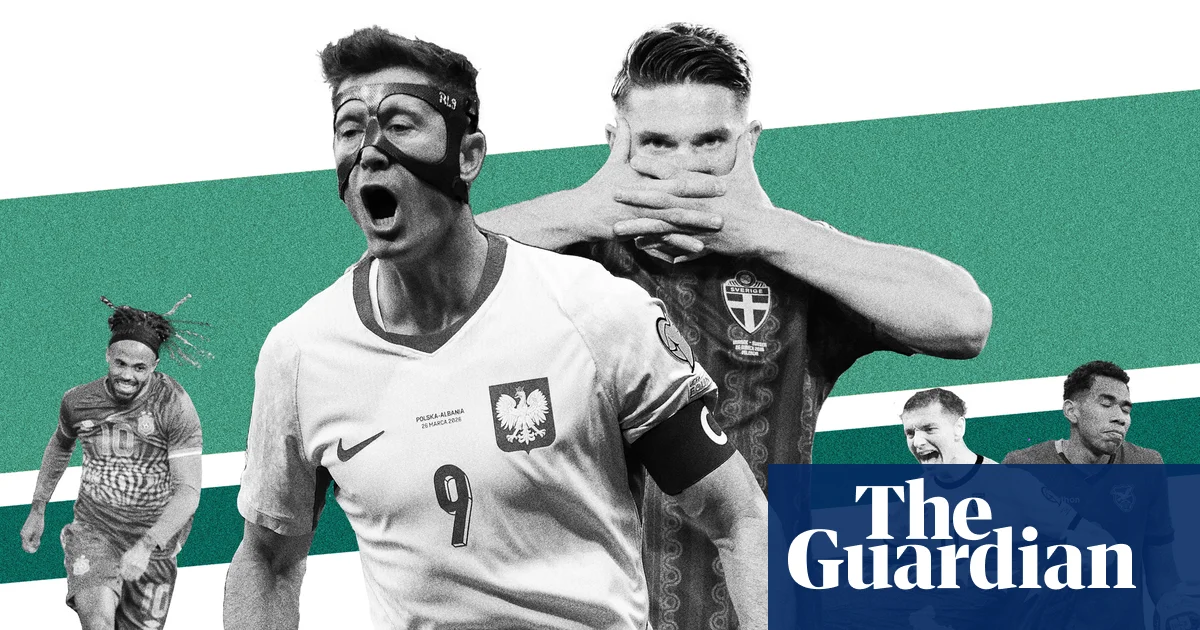
The World Cup always carries a unique rhythm, with the excitement of the final qualifying rounds often surpassing the early matches of the tournament. As we look ahead to the 2026 edition, with 32 teams gearing up for the group stage, anticipation is palpable. November’s final qualifier brought exhilarating moments: Troy Parrott netted a stunning hat trick, Scotland dazzled with two extraordinary goals, and the Democratic Republic of Congo triumphed over Nigeria in a dramatic penalty shootout. Meanwhile, Honduras faced disappointment, failing to score against Costa Rica, as twelve teams prepare to battle for the remaining six spots on Tuesday.
Friendlies Fail to Captivate Amid Qualifying Excitement
For those nations not involved in the World Cup playoffs, friendlies can feel like mere distractions. These matches often feature experimental line-ups and fatigued players undergoing what resembles glorified training sessions. While conceding five goals—like the USA and Ghana did against Belgium and Austria—can be concerning, neither team is expected to panic over their losses.
Anticipation Grows for June 2026
Following Tuesday’s matches, attention will shift back to domestic leagues and intercontinental competitions. The World Cup kicks off on June 11, with Mexico set to face South Africa and South Korea meeting either Denmark or the Czech Republic. However, the excitement may not be as robust this time around. The tournament’s format of 32 teams divided into eight groups proved to be effective; most games held real stakes, allowing teams opportunities to recover from setbacks. This dynamic is expected to change significantly with the shift to 12 groups of four teams, which impacts how teams advance.
Concerns with the New Tournament Format
The new configuration raises questions about competitive integrity. With only one win potentially guaranteeing advancement, and the possibility of favorable ties in the final round, the excitement of knockout football could diminish. The expanded format would require 72 games instead of the previous 48 to eliminate 16 teams in the first round, including some of the weaker squads that previously characterized the top 32.
Potential Unpredictability in Knockout Stages
As the tournament progresses, teams finishing second in groups could face each other in what will feel like a sudden-death scenario. This format may result in a quarter-finals round populated by teams that do not reflect the best performers in the competition. A team could advance with only one win and two losses, then edge through a draw in the knockout phase and claim victory via penalties. Such unpredictability alters the level of competition significantly, raising concerns about the caliber of teams reaching the later stages.
FIFA’s Changing Vision
The motivations behind these changes remain a topic of speculation. Some suggest that FIFA prioritizes drama over the quality of football, highlighting a complex relationship between the two elements. In January 2017, FIFA’s own report advocated for 16 groups in three pools while maintaining a maximum of seven matches for advancing teams. Yet, after witnessing the excitement generated by the four-team groups in Qatar during 2022, FIFA President Gianni Infantino shifted to the current format of 12 groups. This decision introduces longer, more exhausting tournaments, which could lead to unpredictable outcomes.
Drama Awaits on Qualifying Day
As we approach Tuesday, a day rich with drama beckons. Will Kosovo, a nation that first competed in an official match in 2014, manage to overcome Turkey and secure a spot? Can the Democratic Republic of Congo make a triumphant return since their last qualification in 1974, when they were known as Zaire? Will Iraq participate for the first time since 1986, or will Bolivia break their drought since 1994? The stakes are high as teams like Sweden, guided by Graham Potter, and Poland, potentially bidding farewell to Robert Lewandowski, vie for entry. Additionally, Denmark faces a challenging match against the Czech Republic in a context where diplomatic tensions add to the drama.
