


Idaho Lawmakers Debate New Immigration Legislation
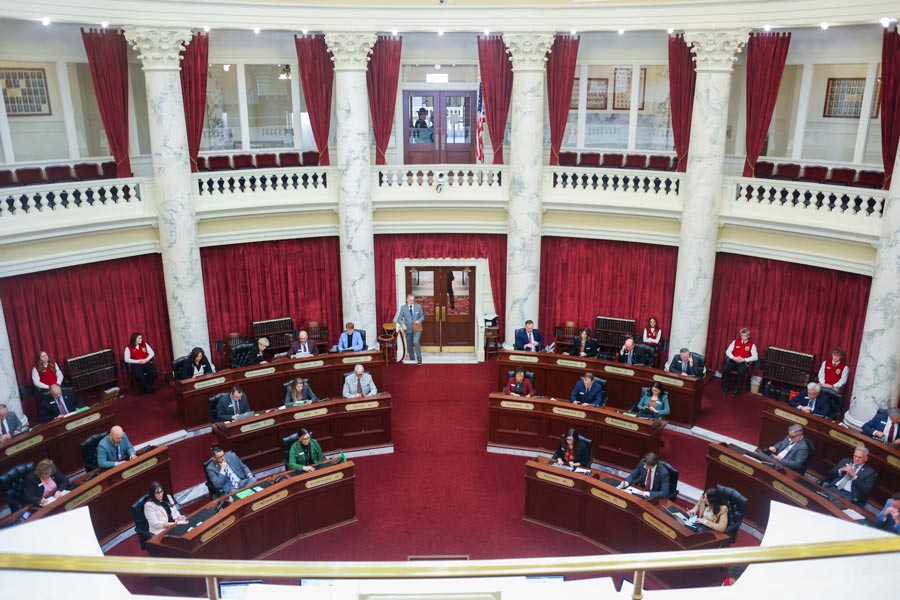
Lawmakers in Idaho, along with law enforcement leaders, are expressing sharp differences regarding the implications and necessity of new immigration legislation currently advancing through the state Legislature. On Monday, the Senate Judiciary and Rules Committee voted to move Senate Bill 1422 forward, which mandates city and county law enforcement agencies to document and verify the nationality and immigration status for every arrest, making this information publicly accessible. This bill has now been referred to the Senate floor with a recommendation for passage, but Senate President Pro Tempore Kelly Anson later indicated he might seek amendments by sending it to the “14th Order.”
Concerns Raised Over Bill’s Requirements
Representatives from the Idaho State Sheriff’s Association and the Idaho Fraternal Order of Police voiced strong opposition to certain provisions in the bill, describing them as redundant and an overreach of local authority into federal jurisdiction. These representatives mentioned they had not been consulted prior to the introduction of this or similar immigration-related bills. Anson contended that the legislation is intended to enhance accountability, combining elements from three prior proposals that failed to gain traction earlier this year.
Key Provisions of SB 1422
Senate Bill 1422 includes several critical requirements: it compels the Idaho Refugee Office—administered by a private nonprofit in concert with the federal government—to provide demographic, language, health, and housing data about the individuals it serves. Additionally, the bill prohibits refugee offices from assisting or “encouraging” individuals to remain in the United States unlawfully. Local law enforcement agencies would also be obligated to verify the immigration status and nationality of all arrested individuals and to report this data biannually.
Law Enforcement Voices Concerns About Overreach
During Monday’s hearing, five individuals testified against the measure, primarily focusing on the expansive requirement for law enforcement to verify the nationality and immigration status of every arrested individual. This stipulation applies specifically to arrests made within the broader framework of “criminal justice administration,” which encompasses a wide array of law enforcement activities, raising fears that it may lead to additional scrutiny during routine investigations.
Feedback and Frustration from Local Sheriffs
Ada County Sheriff Matt Clifford, representing the Idaho Sheriff’s Association, expressed frustration over the bill’s wording. He highlighted that the reporting obligations concerning illegal aliens could inadvertently broaden existing requirements. He cautioned that the push for verification during routine stops could lead to legal complications. Canyon County Sheriff Kieran Donahue echoed these sentiments, arguing that it imposes responsibilities on local officers better suited to federal immigration authorities, where such roles already exist.
Mixed Reactions from Lawmakers
In his closing remarks, Anson appeared exasperated, asserting that discussions around the bill had misrepresented its content. He maintained that the legislation is straightforward and urged lawmakers to engage with the text directly. While some committee members, including Sen. Josh Kaiser, supported the bill as a necessary step in record-keeping, others expressed skepticism about specific language, particularly those referencing illegal aliens. Sens. Melissa Wintrow and James Rukuti voiced concerns over conflating refugee resettlement issues with illegal immigration, emphasizing the distinct legal standing of refugees.
Voting Outcomes and Ongoing Debate
Despite ongoing discussions, the committee ultimately moved the bill forward, with dissenting votes coming from Wintrow, Rukuti, and Sen. Brandon Shippey, who praised the intention behind the bill but remained uncertain about its execution. The debate surrounding Senate Bill 1422 continues to spotlight the complexities inherent in managing immigration and law enforcement at the state level, revealing deep divides within Idaho’s political landscape.
