


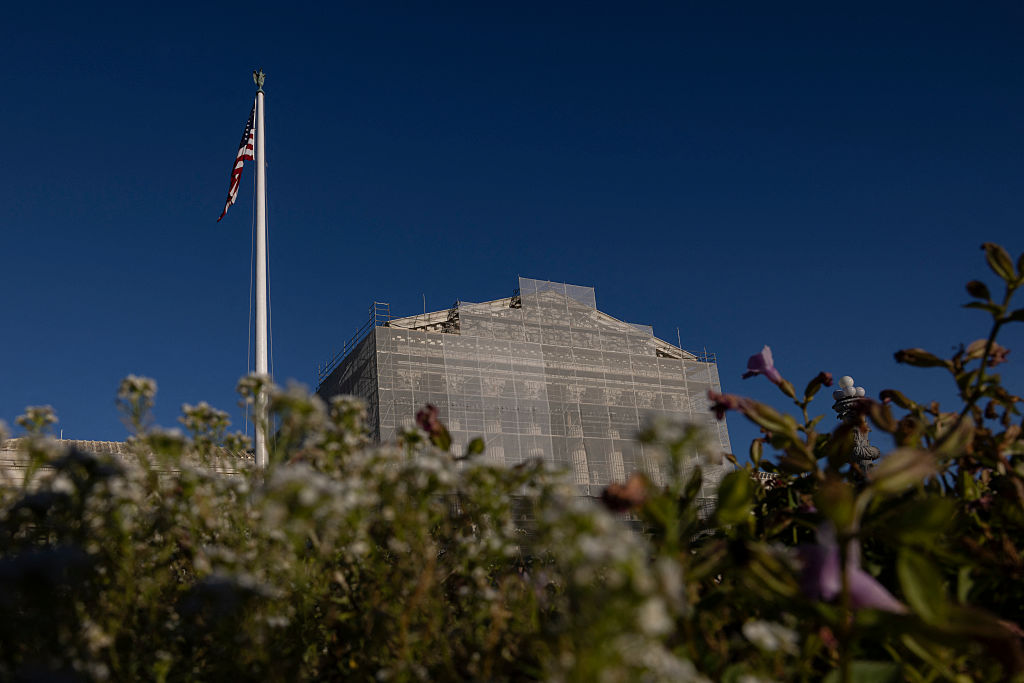
Legal Battle Over Birthright Citizenship Looms at the Supreme Court
The Justice Department is preparing to defend President Donald Trump’s birthright citizenship policies before the Supreme Court. Although the Trump administration has generally triumphed in immigration-related cases, this upcoming case, Trump v. Barbara, presents a different challenge. Set to be argued on April 1, this case directly questions the legality of Trump’s executive order that limits who can be recognized as a U.S. citizen at birth. While previous victories on immigration matters may bolster the administration’s position, the complexities of citizenship law are likely to complicate its arguments.
Federal Authority in Immigration Law
The authority to create and enforce immigration laws rests firmly with the federal government. Historically, courts have granted significant leeway to the executive branch, allowing it to define the terms under which individuals may enter the United States. This judicial deference, rooted in litigation dating back to the late 19th century, is encapsulated in the plenipotentiary doctrine. This principle gives the President and Congress latitude in regulating immigration with minimal judicial oversight, a power emphasized in an 1892 ruling about a Japanese woman denied entry into the country.
Trump Administration’s Winning Streak in Immigration Policies
The administration’s record in court includes several high-profile immigration policies. Last summer, justices supported the Department of Homeland Security’s (DHS) decision to revoke parole for approximately 500,000 individuals from Cuba, Haiti, Nicaragua, and Venezuela. The Court also upheld the revocation of Temporary Protected Status for Venezuelans, alongside permitting the deportation of individuals to countries where they lack citizenship or familial ties. These decisions reflect the administration’s strong legal stance on immigration enforcement.
Legal Defeats Offer a Silver Lining
Intriguingly, some legal defeats for the administration have not entirely signaled setbacks. For example, a ruling requiring DHS to provide individuals at least 24 hours’ notice before deportation under the Alien Enemy Act served as a modest win for civil liberties. Moreover, some cases focusing on immigration policy were decided based on unrelated federal laws, illustrating the nuanced interplay between legislative authority and executive action.
Distinction Between Citizenship and Immigration
While the topics of citizenship and immigration often intersect in political discourse, they are legally distinct. The court has previously ruled that Congress cannot alter the rights conferred upon immigrants without due process, reaffirming that citizenship represents a fundamental human aspiration. The judiciary has historically taken a stricter stance on citizenship matters than on immigration policies, reflecting the importance of citizenship within the legal framework.
Judicial Resistance to Eroding Citizenship Rights
Courts have demonstrated a reluctance to support executive attempts to revoke citizenship, as seen in a notable 1988 ruling involving an individual accused of lying on his naturalization application. The court set a high threshold for the government to strip someone of citizenship, signaling a broader recognition of the sanctity of citizenship rights. This resistance was echoed during the Trump administration when the Justice Department pursued an expansive interpretation of laws related to false statements in citizenship applications, yet struggled to prevail in court.
The Constitutional Foundation of Birthright Citizenship
The Constitution’s Fourteenth Amendment provides a robust foundation for birthright citizenship, emphasizing its inviolability. Established post-Civil War during the Reconstruction era, it underscores that these rights transcend political fluctuations, contrasting sharply with the legislative nature of immigration laws. While immigration provisions are established through Congressional or executive actions, birthright citizenship is explicitly aimed at safeguarding against arbitrary political changes, establishing a critical legal distinction between the two.
As the Supreme Court prepares to deliberate on these pivotal issues, it is essential to recognize that the legal ramifications surrounding birthright citizenship involve principles that diverge significantly from those governing immigration policy. The complexities of these laws will play a critical role in shaping the outcome of this significant legal battle.
Cases: Mas Wankjak v. United States, AARP v. Trump, Noem v. National TPS Alliance, Noem v. Doe, Department of Homeland Security v. DVD, Trump v. Barbara (Birthright Citizenship), Noem v. National TPS Alliance, Trump v. Illinois
Recommended citation: Cesar Cuauhtemoc García Hernández, President Trump’s immigration victories do not necessarily signal citizenship,
SCOTUS Blog (March 31, 2026, 9:30 a.m.), https://www.scotusblog.com/2026/03/immigration-law-wins-for-trump-do-not-necessarily-suggest-a-citizenship-victory/
