


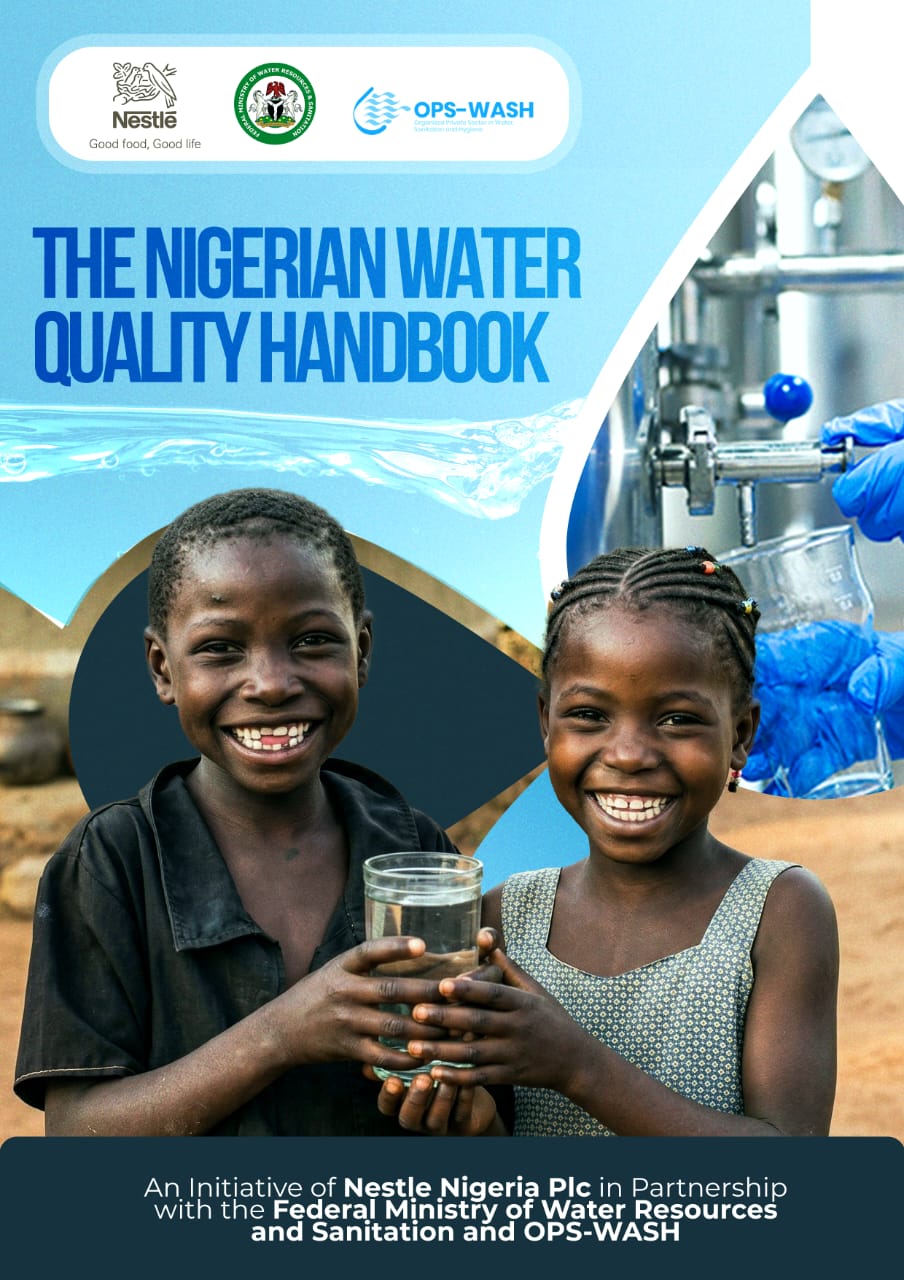
Launch of National Water Quality Handbook in Nigeria
The Federal Ministry of Water Resources and Sanitation, in partnership with Nestlé Nigeria, UNICEF, WaterAid, and the Family Health Association, has launched the National Water Quality Handbook. This initiative aims to enhance regulatory standards, ensure compliance, and stimulate investment in Nigeria’s water sector.
Addressing Climate Change Challenges
During the 2026 Annual Water Quality Conference in Abuja, Joseph Tellulmun Utsef, the Minister of Water Resources and Sanitation, addressed the theme “Water Quality in a Changing Climate: Policy, Innovation and Practice.” He highlighted the urgent need to adapt to the pressures climate change imposes on water systems and emphasized the importance of integrated water management.
Climate Change’s Immediate Impact on Water Resources
Utsef noted that climate change is not just a future concern; it is currently disrupting rainfall patterns and increasing the frequency of extreme weather events, which further strain water resources and quality. He pointed out that floods can introduce pollutants into water sources, while droughts can concentrate existing pollutants, demonstrating the need for a comprehensive, science-based approach to these complex challenges.
Handbook as a Tool for Community Engagement
The minister underlined that the newly developed handbook serves to promote policy coherence and operational clarity across different sectors. It aims to disseminate crucial information to local communities and aid in informed decision-making, fostering a more adaptive approach to water quality management.
Private Sector Commitments to Water Management
Wasim Elfseini, Managing Director of Nestlé Nigeria Limited, along with Victoria Uwadka, Nestlé’s Corporate Affairs and Sustainability Lead, spoke about the integral role of water management in ensuring business sustainability. Uwadka emphasized that water is essential throughout the company’s value chain—from responsible agricultural sourcing to manufacturing—and noted that protecting shared water resources is a communal responsibility.
Innovation and Partnerships in Water Quality Standards
Uwadka commented on the collective efforts reflected in the handbook, which aims to bolster water quality standards and compliance across various sectors. She portrayed it as a vital resource for policymakers, regulators, and community stakeholders that supports informed decision-making and the application of best practices to safeguard public health.
Government Commitment to Enhanced Water Management
Kenneth Eze, Chairman of the Senate Water Resources and Sanitation Committee, echoed the sentiment that climate change is severely affecting freshwater systems and jeopardizing economic stability. He warned that rising water temperatures and nutrient runoff during extreme weather events pose significant threats to water quality, public health, and food security. Eze emphasized the necessity of innovation and funding to tackle these challenges and assured ongoing legislative support for policy and funding mechanisms.
Urgency in Addressing Water Quality as a National Priority
Mr. Emanso Okop Umobong, Permanent Secretary of the Ministry of Water Resources and Sanitation, reiterated that ensuring water quality has become a pressing national economic and public health priority. He called for cohesive efforts to achieve the Sustainable Development Goals related to water safety, stressing that effective water management requires robust partnerships and shared responsibility across all sectors. The conference is anticipated to guide policy directions and attract investments in Nigeria’s water infrastructure and climate-resilient systems.
Stakeholders believe that the handbook will enhance standardization, mitigate regulatory uncertainties, and unlock opportunities for private investment in water-related infrastructure and treatment technologies.
