


AI Initiatives in African Healthcare Receive $50 Million Boost
On Wednesday, a significant initiative aimed at enhancing healthcare delivery through artificial intelligence was unveiled during the World Economic Forum in Davos. A partnership involving the Gates Foundation and OpenAI has committed $50 million towards the Horizon 1000 project, which aims to deploy AI solutions across 1,000 primary healthcare clinics in Africa by 2028.
Sam Altman, CEO of OpenAI, emphasized the transformative potential of AI, stating that while its scientific capabilities are impressive, the challenge lies in utilizing this technology to improve everyday lives. Bill Gates, CEO of the Gates Foundation, added that the project’s goal is to enhance healthcare quality and efficiency by streamlining administrative processes and ensuring patients are aware of available services and appointment schedules.
Pioneering AI Solutions in Rwanda
The pilot phase of this ambitious project will kick off in Rwanda before expanding to Kenya, South Africa, and Nigeria. Rwanda has been experimenting with AI to assist health workers in diagnosing diseases and alleviating administrative burdens related to patient care.
Paula Ingabire, Rwanda’s Minister of Information, Communication, Technology, and Innovation, highlighted the country’s ongoing commitment to leveraging technology to resolve health-related challenges. With approximately 97% internet access among its population, Rwanda has made commendable strides in digital infrastructure, crucial for applying AI in healthcare.
Empowering Community Health Workers
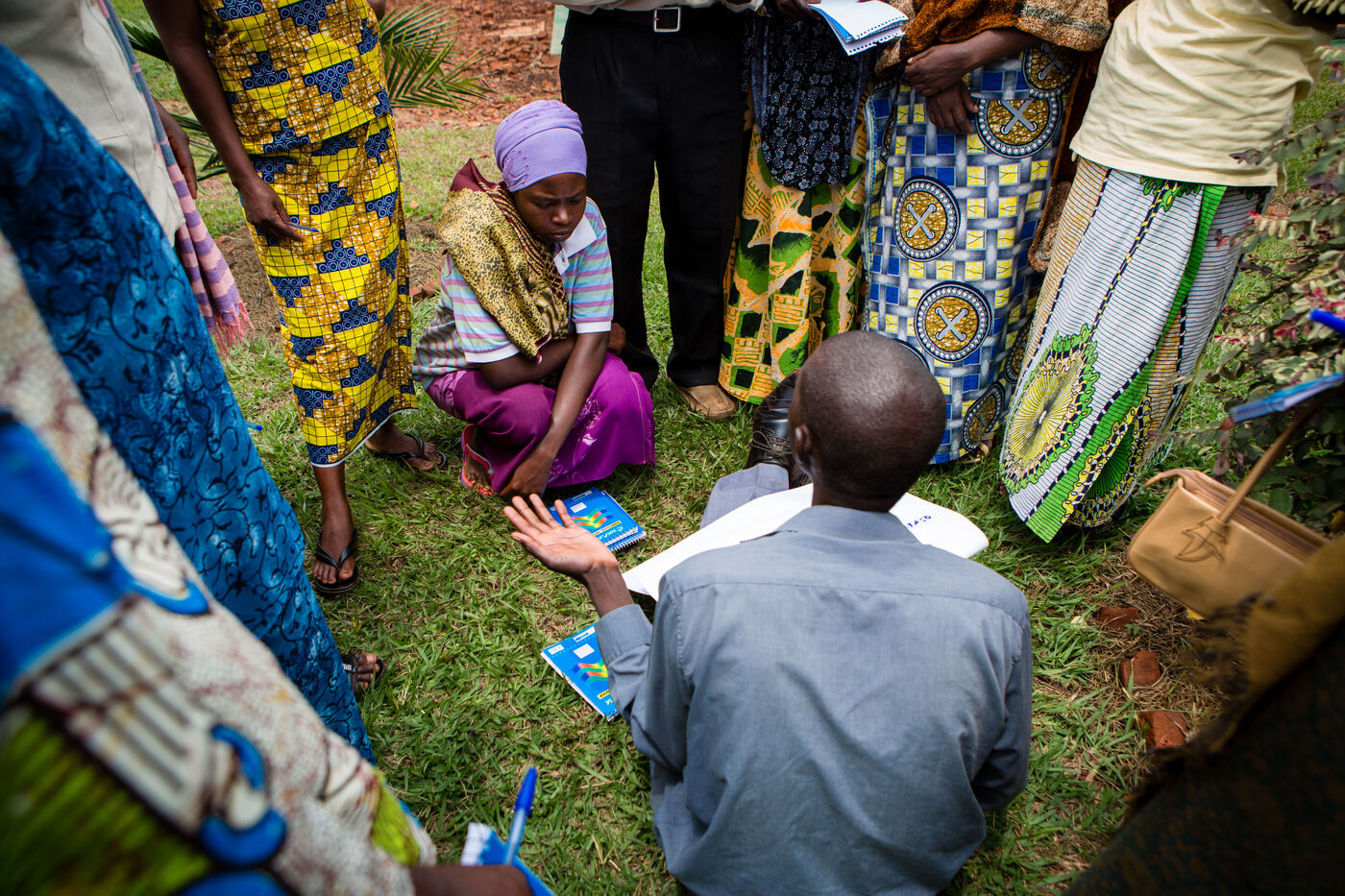
A pivotal objective for Rwanda is to develop AI-driven “decision support tools” for the over 60,000 community health workers (CHWs) who serve rural communities. With malaria comprising around 70% of cases these workers encounter annually, there is a pressing need for AI tools that enhance diagnostics and predict malaria outbreaks more accurately.
The Rwandan government is also integrating drones with AI technology to combat malaria by identifying mosquito breeding sites and spraying them effectively. Ingabire mentioned the nation’s aim to quadruple the number of health workers within four years—a goal that has been significantly met. However, these health workers will require advanced tools to provide targeted and efficient patient care.
Strategizing Resource Allocation with AI
Further, the government is looking to AI for improved demand forecasting in health products, minimizing drug shortages. Ingabire emphasized the importance of a national data intelligence platform to harness existing, underutilized data. This platform aims to tailor AI models to the local context and address immediate healthcare challenges.
Additionally, Rwanda is in discussions with Anthropic, an AI company known for its Claude language model, to establish an instant health intelligence platform that can streamline the national health planning system and optimize resource distribution.
AI in the Fight Against Tuberculosis
Peter Sands, CEO of the Global Fund to Fight AIDS, Tuberculosis, and Malaria, highlighted a significant investment of $170 million in AI-based tuberculosis testing over the last four years. This initiative stands as one of the most notable applications of AI in healthcare, especially in refugee camps where traditional diagnostic resources may be scarce.
Sands noted that in regions like Chad, mobile clinics are being deployed to screen for tuberculosis among Sudanese refugees, leveraging AI to bridge the gap created by a shortage of radiologists. He cautioned, however, that fundamental challenges remain, including the lack of internet and electricity at many primary healthcare facilities across Africa.
AI Adaptation in Developing Nations
Gates expressed optimism that the integration of AI in healthcare may progress more rapidly in developing nations compared to wealthier countries, driven by urgent needs and government support. He believes that access to AI should be a fundamental right for Africans, enabling individuals to receive accurate health insights without financial barriers.
As potential beneficiaries of AI in healthcare, low- and middle-income countries may face less institutional resistance to embracing these technologies compared to developed nations. Sands reiterated this perspective, suggesting that the lack of job displacement fears in these regions may facilitate a faster adaptation of AI tools.
