


New Indigenous Meat Chicken Approved in Nigeria to Enhance Poultry Production
The Federal Ministry of Livestock Development has announced the approval of Moor Beta, a new indigenous meat chicken breed, as a key initiative to bolster poultry production and improve food security in Nigeria. This decision aligns with ongoing efforts to advance local livestock genetics and support farmers in the nation.
Advancements in Indigenous Livestock Genetics
The introduction of Moor Beta marks a significant milestone in Nigeria’s agricultural landscape. In an official statement released on Tuesday, the ministry highlighted the importance of this improved chicken breed for both local farmers and food security. The approval was formalized during a session held by the National Crop and Livestock Breed Registration and Release Committee on March 26 at the National Genetic Resources and Biotechnology Center in Ibadan, Oyo State.
Decade of Research Behind Moor Beta
Developed by a specialized poultry research team at the Institute of Agricultural Research and Training, Moor Beta is the culmination of over ten years of meticulous breeding. This process involved integrating both native and exotic chicken varieties to create a robust breed well-suited for various environmental conditions across Nigeria.
Benefits for Farmers and Consumers
The ministry characterized Moor Beta as ideal for small-scale farmers due to its adaptability and resilience. The breed typically reaches an average live weight of about 2.8 kg by ten weeks of age and showcases efficient feed conversion along with a survival rate exceeding 95%. Beyond productivity, Moor Beta’s meat is also appealing to consumers, known for its tenderness and minimal cooking loss.
Visual and Physical Attributes
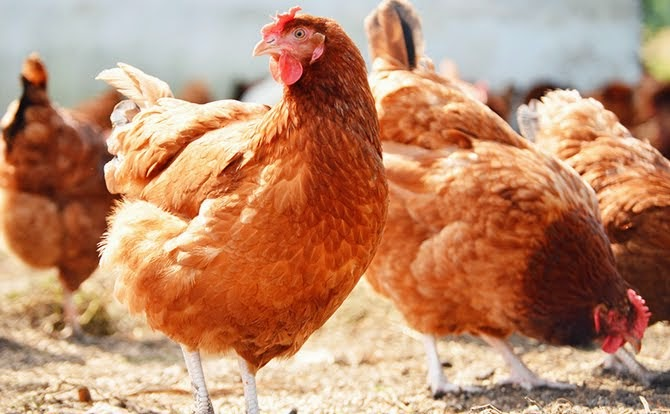
In terms of appearance, Moor Beta is primarily white with distinctive brown, black, and red spots. The breed is characterized by a prominent single spike and a robust body structure that supports greater meat yields. Additionally, its resistance to heat stress provides an advantage for poultry farming in Nigeria’s tropical climate.
Economic Potential and Profitability
Economic forecasts underscore the breed’s promising impact. A 2025 cost analysis predicts that raising 100 Moor Beta chickens can yield a net profit of over N278,000 within a ten-week production cycle. This financial viability positions Moor Beta as an attractive option for both smallholders and larger commercial poultry operations.
Addressing Challenges and Criticism in Biotechnology
While the introduction of Moor Beta is expected to enhance local livestock genetics and increase farmers’ incomes, it arrives amidst growing criticism over the broader adoption of transgenic products in agriculture. Critics have raised health concerns linking these innovations to various diseases, labeling them as “chemical foods.” Moreover, recent regulatory actions by the National Biosecurity Authority have halted sales of new transgenic cotton varieties due to compliance issues, reflecting ongoing challenges within Nigeria’s biotechnology sector.
Future Directions for Agricultural Innovations
The Ministry of Livestock Development expressed its commitment to collaborating with research institutions and stakeholders to further promote agricultural innovations that enhance productivity across Nigeria. The landscape of livestock farming is evolving, and the approval of breeds like Moor Beta is a testament to the ongoing efforts to secure a more sustainable and productive agricultural future.
