


End of Temporary Protected Status Impacts Thousands of Hondurans in the U.S.
The termination of Temporary Protected Status (TPS) for Honduran nationals has resulted in the loss of legal work authorization for over 50,000 individuals who have resided and worked in the United States for many years.
This group includes two former employees from Duke University, who have held TPS status while contributing to their community for two decades. Despite having established homes and families in the U.S. for more than 30 years, these individuals now face the looming threat of deportation.
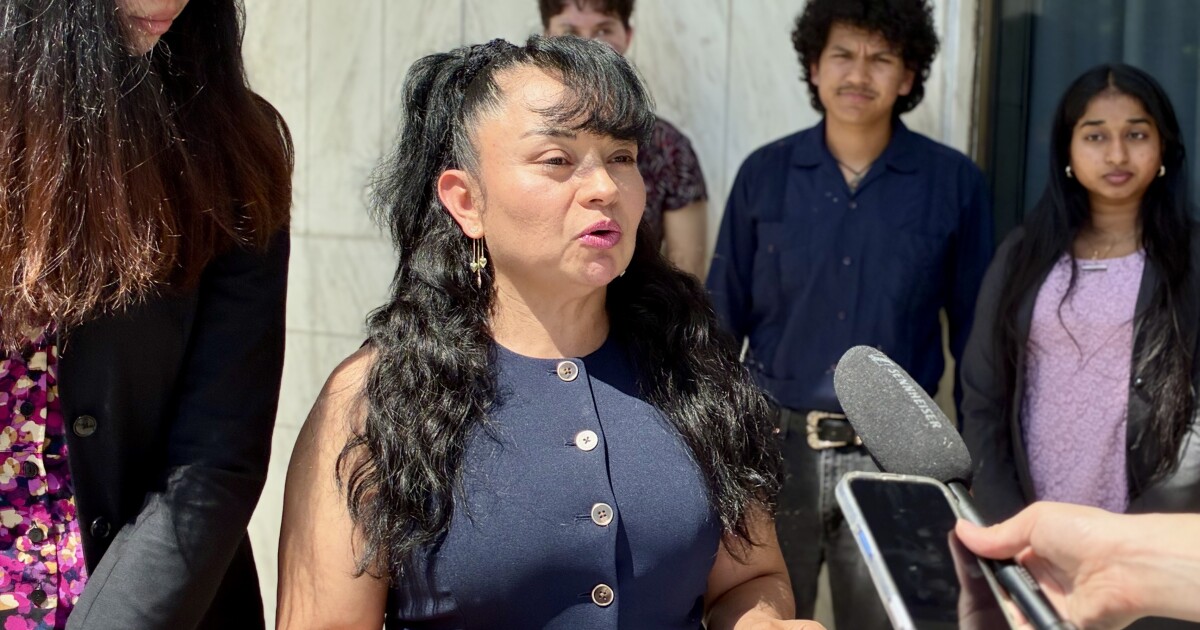
In a recent meeting at the North Carolina General Assembly, Duke students affiliated with Duke Beyond Borders, along with the immigrant advocacy organization Siembra North Carolina, gathered with several Democratic lawmakers to advocate for the rights of former TPS holders. Among those affected is Margos Erazo, a housekeeping employee at Duke for the past 23 years.
Eraso expressed her passion for the U.S., stating her deep connection to a country she now regards as her home. “I’ve lived here longer than in Honduras,” she said. “I don’t know much about that country anymore.” At the age of 52, she reflected on her two-decade career, noting the trust she earned from professors and the relationships she built with families on campus.
Another TPS holder, Luis Juarez, famed for his “party bus” rides around the Duke campus, lost his job after nearly 19 years. Duke students have also rallied in support of Juarez, affirming their belief that he and others should be able to work with dignity, free from the fears of detention or deportation.
Both Eraso and Juarez voiced their fears about returning to Honduras, a country they have not lived in for decades. Juarez specifically highlighted the violence and poverty that render life in Honduras untenable. Despite initial support allowing them to continue working after a December federal court ruling, they have been out of work since a ruling in February reaffirmed the previous administration’s decision to terminate TPS for Hondurans and Nicaraguans.
According to the American Immigration Council, nearly 19,000 TPS holders in North Carolina hail from countries including Venezuela, Haiti, and El Salvador. To qualify for TPS, individuals must have continuously lived in the U.S. since at least 1999.
Activists from Siembra North Carolina are actively working to gain support from Republican lawmakers, aiming to persuade the current administration to extend protections against deportation for TPS beneficiaries. Under the previous administration, the Department of Homeland Security sought to end TPS for nationals from 12 different countries. In a related development, the U.S. Supreme Court is set to hear arguments in late April regarding the potential continuation of TPS for thousands of Syrians and 350,000 Haitians.
