


International Humanitarian Law and Targeting Civilian Infrastructure
Under the tenets of international humanitarian law, civilian facilities are protected from being designated as targets for attack or retaliation. An exception exists only when these facilities are utilized for military purposes, and even then, any attack must adhere to the established principles of international law.
Trump’s Retaliatory Threats Amid Soldier Casualties
In a recent statement, President Trump indicated that attacks on civilian infrastructure may be executed as “retaliation” for the deaths of U.S. soldiers, highlighting the loss of at least 13 service members in the ongoing conflict, with an additional two fatalities attributed to non-combat causes.
Conflict Casualties in the Region
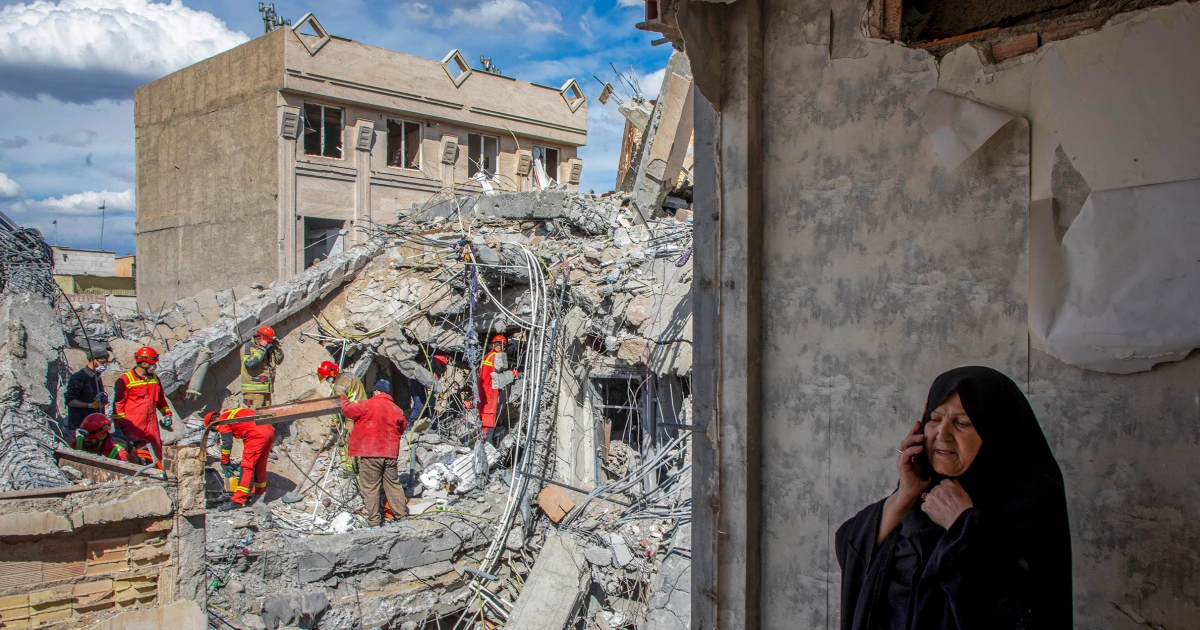
The current conflict has resulted in over 3,000 fatalities in the region. Estimates suggest that Israeli and American military operations have accounted for approximately 1,900 deaths in Iran, more than 1,300 in Lebanon, and 19 in Israel.
Allegations of War Crimes
Human rights organizations assert that both the United States and Israel, alongside Iran, might have committed war crimes during this month-long hostilities. The implications of such allegations raise significant concerns about compliance with international humanitarian standards.
Official Responses to Concerns
The State Department has not yet responded to inquiries addressing the criticisms surrounding President Trump’s threats to target civilian infrastructure in Iran. Meanwhile, General Dan Kaine, chairman of the Joint Chiefs of Staff, appeared to downplay these threats during a news conference.
Military Professionalism and Legal Considerations
General Kaine commended the U.S. military, recognizing it as “the most professional military in the world.” He emphasized that the military has established numerous processes and systems to adequately assess all considerations, including risks to civilians and legal obligations.
Scrutiny from the International Community
David J. Schaeffer, the first U.S. special envoy for war crimes, stated that while he would not label the U.S. as a “rogue state,” the actions of the U.S. military in the Iran conflict are under closer scrutiny. He indicated that “the entire international community” is watching and will likely conclude that the United States does not adhere to international law.
Potential War Crimes and Political Ramifications
Experts in international law have noted that merely threatening to commit a war crime can itself be classified as a war crime, though these threats may not always lead to prosecution. Such comments from President Trump could undermine the U.S.’s historic role in prosecuting war crimes, reminiscent of the Nuremberg trials. Critics warn that these threats could establish a precedent, enabling others to issue similar threats or perpetrate similar crimes.
The Gaza Conflict’s Wider Implications
Three former U.S. officials who resigned from the Biden administration in protest of U.S. support for Israel in the Gaza Strip emphasize the seriousness of Trump’s threat. Josh Paul, who departed from his role as director of Congressional and Public Affairs in the State Department’s Bureau of Political-Military Affairs in 2023, pointed to an “increasing willingness” to potentially commit war crimes, whether by the United States or its allies.
