


Discovery Challenges Traditional Gambling History
A former lawyer-turned-archaeologist has uncovered findings that could significantly alter our understanding of the history of gambling. After meticulously examining dusty excavation reports and old texts, he has found evidence suggesting that Native Americans were engaging in gambling activities as far back as 12,000 years ago—far earlier than previously believed in other parts of the world, including Europe, Africa, and Asia.
Findings Indicate Early Dice Games
The research, published in the journal American Antiquity, reveals that games involving dice and concepts of probability originated in what is now the southwestern United States. This discovery contradicts the long-held view that such practices began in ancient Mesopotamia and other known civilizations.
Complex Intellectual Concepts in Prehistoric Cultures
According to Robert Madden, the study’s author and a doctoral student at Colorado State University, the findings reveal that Native Americans tackled complex ideas related to chance and randomness earlier than those in various Old World civilizations. He noted that these intellectual concepts form the foundation of modern scientific understanding and economic principles.
A Long Journey in Research
Madden’s journey from trial lawyer to archaeologist spans decades. After spending 25 years in law, primarily dealing with cases related to the financial crisis of 2008, he switched to archaeology, dedicating three years to reviewing site reports to gather a comprehensive chronology. His research fills a critical gap as there were no established standards for including dice in archaeological records prior to his efforts.
Insight into Native American Gaming Practices
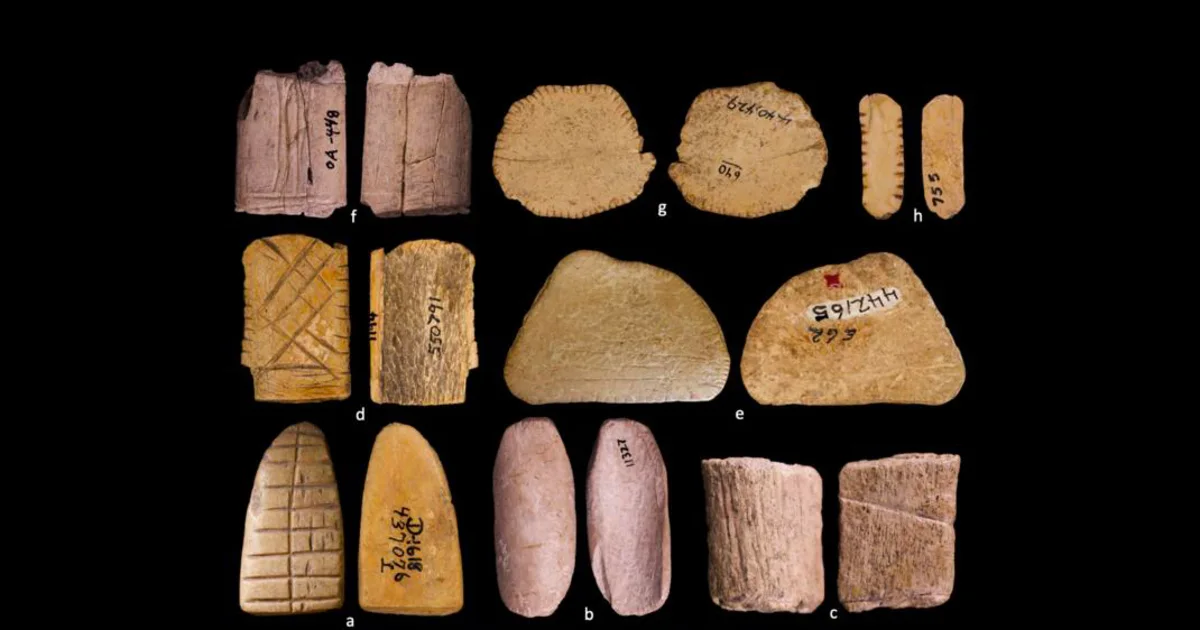
Dice, predominantly made of bone or wood and designed for fair play, have been used by Native Americans for over a century. While prior research suggested these gaming pieces dated back about 2,000 years, Madden’s work extends the timeline to the end of the last ice age, revealing that dice were found at sites associated with the ancient Folsom culture, some dating between 12,255 and 12,845 years ago.
Gambling as a Cultural Touchstone
Robert Wiener, a postdoctoral fellow at Dartmouth College, emphasized that gambling is frequently referenced in Native American oral histories. These stories often portray gambling as a communal activity that can spiral out of control but also serves as a cultural and social bonding experience. He noted that even in ancient narratives, gods were depicted engaging in gambling.
Significance of this Research
The absence of prehistoric dice in eastern North America raises questions, possibly due to preservation issues or biases in the archaeological record. Madden theorizes that groups in the West may have used dice games as social tools for trade and cultural exchange, with records from the 1600s indicating that these games were common and often featured fast-paced competitions among unfamiliar groups.
Uncovering Native American Intellectual Heritage
Despite the absence of written records of these prehistoric games, Madden’s findings suggest that Native Americans exhibited a sophisticated understanding of counting and probability. This challenges long-standing assumptions that diminished the intellectual contributions of Native American cultures. His work highlights how gambling games reflect deeper cognitive processes, offering a new perspective on the intellectual life of prehistoric peoples.
