


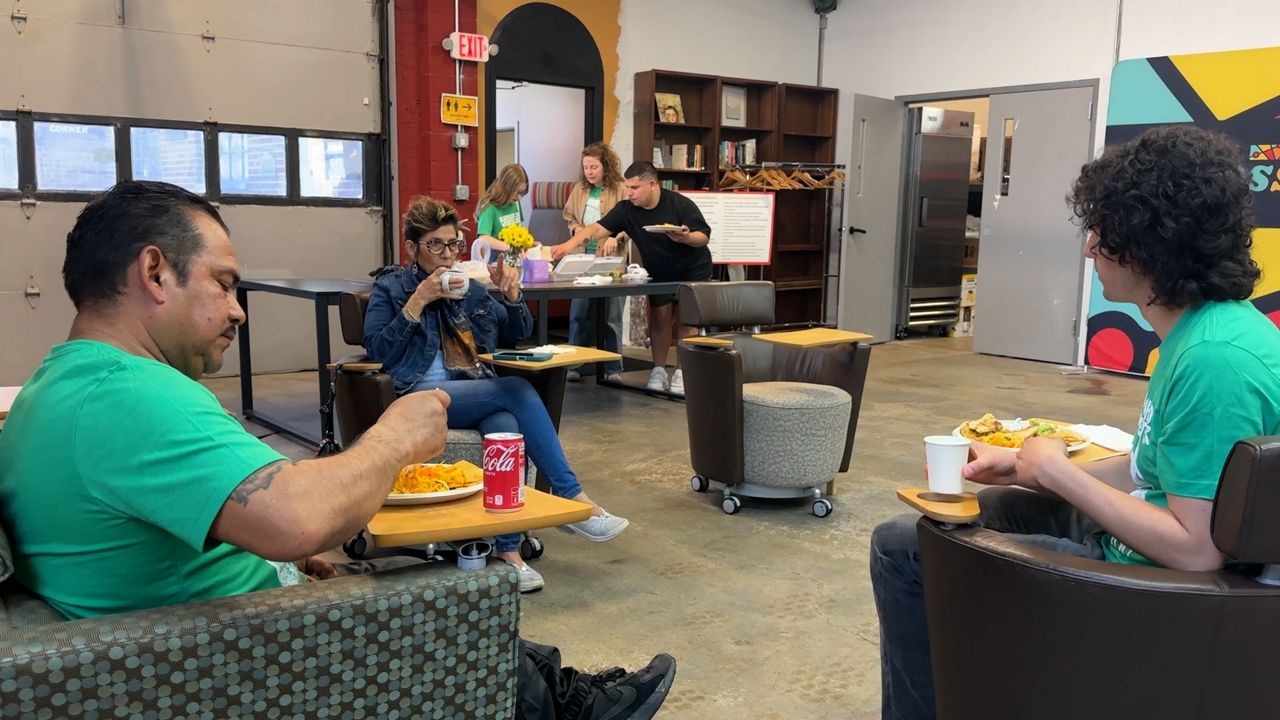
CLEVELAND — Ricardo Morales Vivero, originally from Ecuador, now dedicates his efforts to assisting immigrants in rebuilding their lives in Northeast Ohio.
Understanding Ohio’s Immigrant Workforce
According to the American Immigration Council, immigrants comprise approximately 6% of Ohio’s workforce, showcasing their significant role in the local economy. Alarmingly, about one-fifth of the state’s immigrant population is undocumented, putting many individuals at increased risk for exploitation and wage theft.
In response, various organizations in Northeast Ohio are actively working to safeguard workers’ rights and tackle these pressing issues on a global scale.
Supporting Immigrants through Collaborative Initiatives
Morales serves as a bilingual organizer at the Northeast Ohio Worker Center, where he collaborates with the Young Latino Network and the immigration law firm Bartel Georgaras & Juarez to conduct monthly clinics focused on immigration and wage theft in Cleveland. This initiative began as a volunteer-driven effort and has evolved with dedicated leadership from several center members.
“The Worker Center recognized the necessity for Spanish-speaking resources and immigration expertise, as many people seek assistance with wage theft claims and legal status,” Morales explained. He emphasizes that these issues are often interconnected, with many asking for guidance on navigating the complexities of immigration while addressing wage concerns simultaneously.
The Stories Behind the Statistics
Huang, a Cleveland resident who arrived from Celaya, Mexico in 2023, exemplifies the stories behind these statistics. He has been working as a roofer to support his family of five, having brought them to the U.S. through his asylum application.
Despite his efforts, Huang and several fellow workers found themselves transported to Florida over a year ago for roofing contracts, yet they remain unpaid for 34 days of labor. His case is currently under investigation by the U.S. Department of Labor, focusing on potential labor trafficking and wage violations.
“I calculated that the total owed was about $23,400,” Huang reported. “Yet, the company owner only wants to compensate me with $5,588.” This incident reflects a broader trend; according to a 2019 study by the National Employment Law Project, 37% of undocumented immigrant workers experience minimum wage violations.
The Fear of Speaking Out
Despite these alarming statistics, many immigrant workers hesitate to voice their concerns about wage theft. Huang shared, “While more individuals experienced similar situations, only six of us approached the worker center for assistance, primarily due to fear.” This fear is often linked to their immigration status, with many workers being undocumented.
The Rising Issue of Wage Theft
Jose Juarez, founding partner at Bartel Georgaras & Juarez, has observed a concerning rise in wage theft cases over the past two years. He notes that fear often silences immigrants. “Employers frequently threaten workers to keep them quiet. Many immigrants may not understand their rights or where to seek help, particularly those working in high-risk industries such as construction, food service, and cleaning, where exploitation is prevalent,” Juarez remarked.
Juarez stresses that all immigrant workers, regardless of their status, have rights under U.S. law. “They are entitled to minimum wage and overtime compensation. Workers must be paid for every hour they work, and upon leaving their jobs, they should receive their due wages,” he emphasized.
Empowerment Through Awareness
Morales Vivero believes that spreading awareness is essential for empowering all workers. “We aim to foster relationships among workers and help them build a support network. While they support one another, we facilitate the process and assist them in gaining knowledge about their rights and available resources,” he concluded.
