


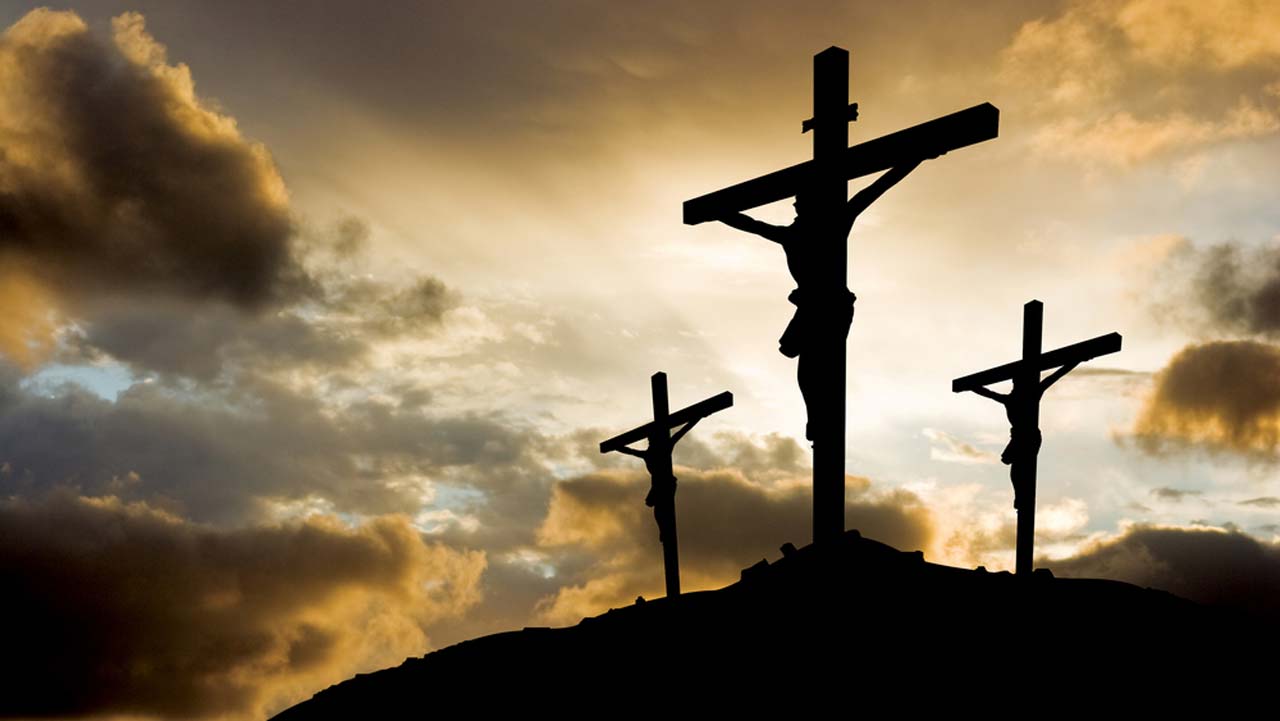
Good Friday Observances in Nigeria Highlight Spiritual Significance
Today, Christians in Nigeria join millions around the globe in commemorating Good Friday, a day that embodies the essence of their faith. This observance, known as the Day of the Good Death, emphasizes the belief that salvation hinges on the death and resurrection of Jesus Christ. It represents the climax of the Passion season, a time when believers reflect on Jesus’ ultimate sacrifice through crucifixion, a price paid for the redemption of humanity. For over two millennia, Christians have honored this day, recognizing the deep vicarious and redemptive significance of Christ’s death.
The Dual Nature of Good Friday
Good Friday concludes the 40 days of Lent, a period marked by prayer, fasting, charity, self-denial, and spiritual reflection, akin to Ramadan in Islamic practice. Despite the term “Good Friday,” the day might initially seem paradoxical. It prompts believers to mourn the death of an innocent man, mistreated for his unwavering commitment to truth. Many may question the essence of goodness in a day entrenched in sorrow and sacrifice. However, when viewed through the lens of redemption and the promise of resurrection, it becomes clear why Christians across the world cherish this Friday as a “Good Friday.”
Contextualizing Good Friday in Nigeria
The celebration of Good Friday within the Nigerian context presents unique challenges. In a society where religious fervor is often pronounced, the actual adherence to the virtues of genuine faith tends to be contentious. While Christians are called to represent light amidst darkness, many find it challenging to separate themselves from the pervasive corruption that afflicts the nation. Despite being meant as beacons of hope, some Nigerian Christians seem to mirror the societal trends of moral decay.
Critique of Worship and Societal Challenges
This disconnect raises concern among observers both domestically and internationally. Rather than strive to embody the values that Good Friday represents, some affiliate themselves with detrimental influences, thereby contributing to a negative perception of the nation. Nigeria’s struggles with corruption seep into every corner of society, impacting governance, business, and even religious institutions. The blatant corruption among leadership has shifted focus from petty theft to the staggering looting of billions, deepening societal woes.
The Complex Role of Leadership in Nigeria
The landscape of Nigerian leadership is varied, with some officials endeavoring to rescue the economy from recession, stabilize the currency, and combat the ramifications of terrorism and social unrest. Yet, many remain mired in self-serving political gamesmanship. Amidst such diverse governance, both Christians and non-Christians are reminded of the poignant image of Jesus Christ—a true servant-leader who gave his life for the betterment of his people.
Invitation to Reflection and Transformation
As Nigerians mark Good Friday alongside their global counterparts, this day serves as a powerful prompt for introspection and societal transformation. Beyond the rituals commemorating the crucifixion, Good Friday invites a deeper meditation on its significance for Christians and all who value life’s higher principles. Embracing the sacrificial love exemplified by Christ could pave the way toward constructing a more equitable society centered on communal welfare.
Embracing the Spirit of Good Friday
The observance of Good Friday is not merely about rituals but a call for genuine reflection and renewal. As Christians contemplate the lessons of sacrifice and compassion, the hope is that this day will inspire leaders and citizens alike to foster a society built on integrity and hope, moving beyond the shadows of corruption towards a brighter future.
