


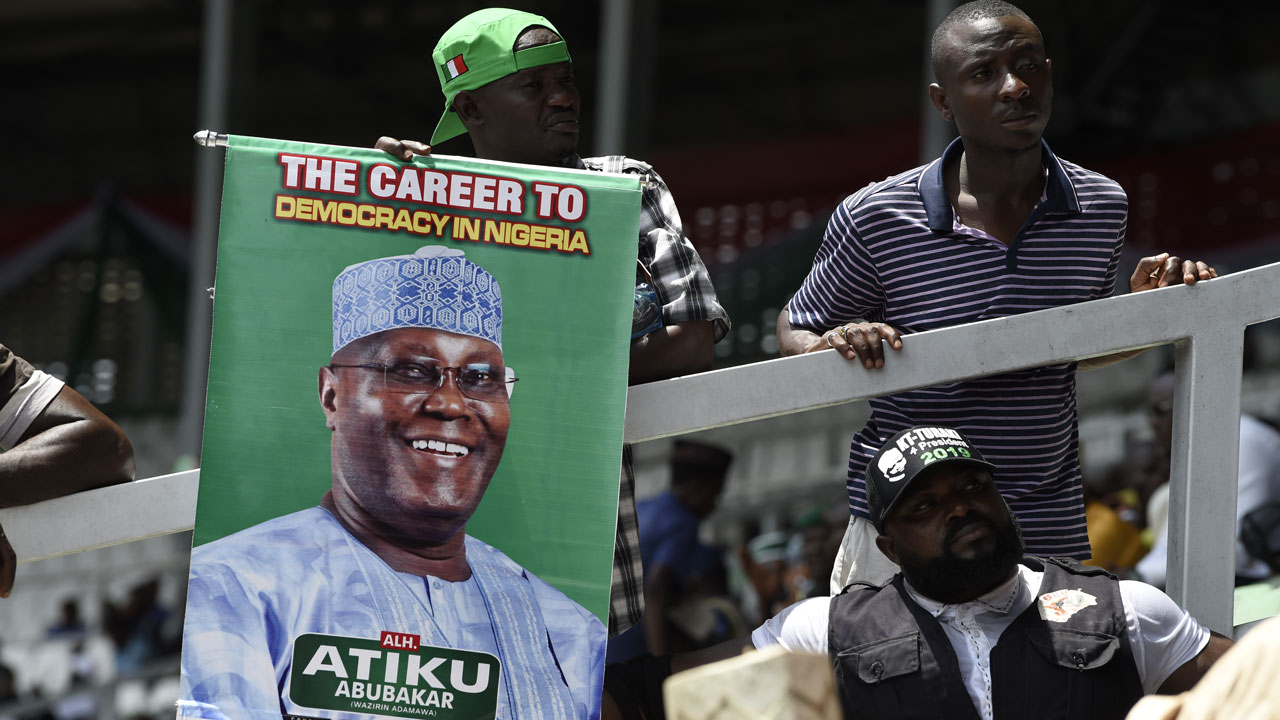
Atiku Abubakar Emerges as Presidential Candidate for Nigeria’s PDP
Atiku Abubakar, a seasoned politician and former Vice President, has been selected as the presidential candidate for Nigeria’s main opposition party, the Peoples Democratic Party (PDP), in the upcoming 2019 elections. Born on November 25, 1946, into a Fulani family in Adamawa State, Abubakar has a long and storied history in Nigeria’s political landscape, spanning over three decades.
A Long-standing Player in Nigerian Politics
With a career that began in the 1980s, Abubakar has demonstrated formidable leadership abilities in various political roles. His vision for Nigeria is one of unity and economic transformation, where opportunities are accessible to all, income disparities are minimized, and poverty alleviation is prioritized.
Key Roles and Experience
From 1999 to 2007, Abubakar served as the second-in-command to former President Olusegun Obasanjo under the PDP administration. His leadership extended beyond politics into the business realm, where he has made significant investments across multiple sectors, reflecting a deep understanding of economic dynamics in Nigeria.
Early Political Career and Challenges
Atiku’s political journey began as he campaigned for Alhaji Bamanga Tukur for the governorship, aligning himself closely with notable figures like the late Lieutenant General Shehu Musa Yar’Adua. Although he made an unsuccessful bid for the governorship of Gongola State in 1991, he maintained significant political alliances.
Formation of the PDP and Vice Presidency
In 1998, Atiku played a crucial role in establishing the People’s Democratic Movement, which ultimately merged to form the PDP. He won the governorship election in Adamawa State but soon accepted Obasanjo’s invitation to become Vice President. In this role, he chaired the National Council on Privatization, significantly influencing the privatization of the telecommunications industry, a milestone viewed as one of Obasanjo’s most effective economic reforms.
Controversial Stand Against Third Term Ambitions
In 2006, Abubakar made headlines for his staunch opposition to Obasanjo’s controversial third-term ambitions, rallying support from several governors. This principled stance garnered public admiration but also led to considerable backlash from his former boss.
Political Moves and Current Campaign
After a brief affiliation with the Action Congress in 2006, Atiku rejoined the PDP in 2017, expressing dissatisfaction with the ruling government’s performance. His return signaled a renewed commitment to seeking the presidential ticket, emphasizing the need for restructuring Nigeria for true federalism. His recent campaign has resonated with many socio-cultural groups across the South and Middle Belt, culminating in his successful bid for the PDP presidential nomination.
Beyond his political maneuvers, Atiku is adept at engaging with younger demographics, utilizing platforms like Twitter to discuss national issues. This digital engagement, coupled with his passion for football as an Arsenal supporter, adds a relatable dimension to his public persona.
