


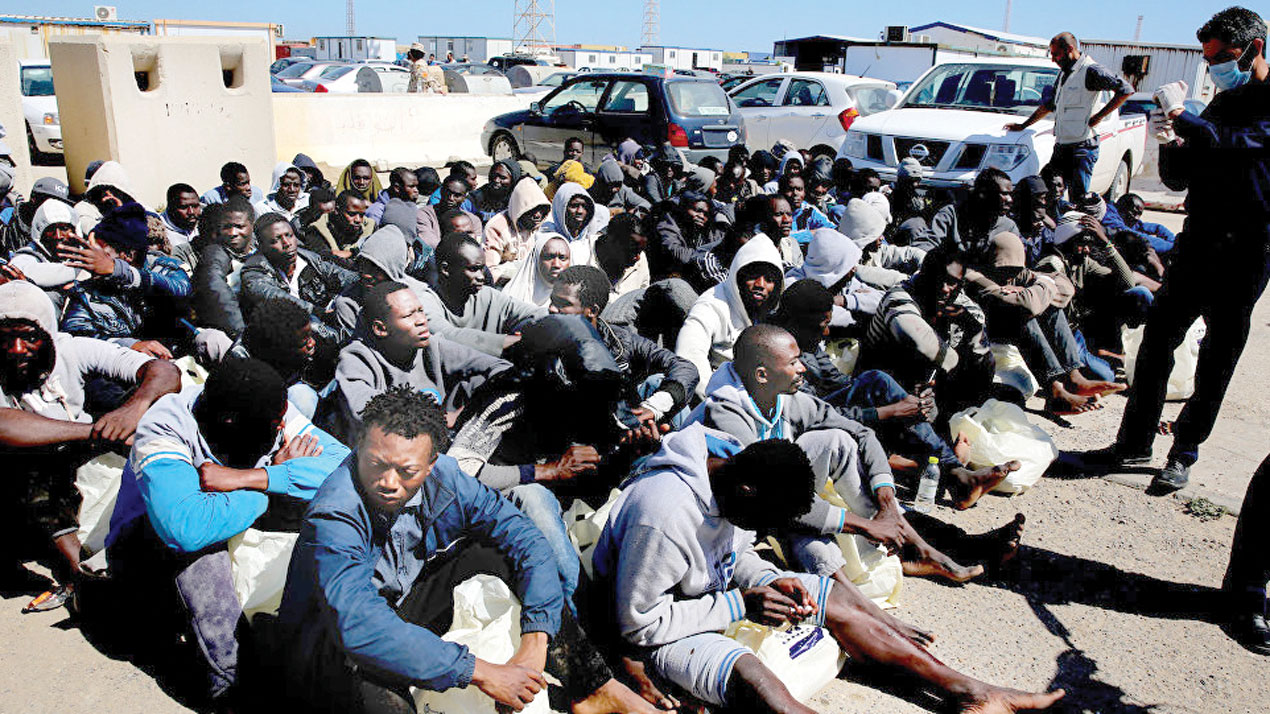
Libya’s Dark Reality: The Persisting Shadow of Slavery
The word “slavery” conjures images of one of humanity’s most brutal chapters, reminiscent of the Holocaust’s atrocities. Yet, in the modern era, human trafficking has emerged as a flourishing illicit trade, particularly in Libya. A new campaign is desperately needed to combat this contemporary form of slavery, as lives continue to be shattered by this tragic enterprise.
The Lingering Pain of History
Understanding the depths of human trafficking doesn’t require a history lesson or literature like Alex Haley’s “Roots,” which recounts the legacy of African ancestry. The painful reality is that in the current millennium, slavery has not been eradicated. It thrives in parts of the world, fueled by relentless greed. The insidious belief, held by some, that the black community is inherently inferior, persists amid this tragic narrative, feeding a cycle of exploitation and suffering.
Reflections from Tuskegee University
In February 1984, I visited Tuskegee University—a historically black institution founded by Booker T. Washington during America’s era of racial segregation. As part of a month-long U.S. visit, I found myself engaging with students and faculty amid a backdrop of military coups back home in Nigeria. The atmosphere was charged, and discussions around democracy and military rule added to the complexity of my interactions.
Confronting the Legacy of Slavery
My experiences at Tuskegee were marked by an unexpected confrontation with bitterness from some of the faculty members. Their frustrations stemmed from a history of oppression, which they directed towards me despite my own detachment from past injustices. They prompted questions about our ancestors’ roles in the slave trade, leaving me grappling for words. The weight of their suffering resonated deeply, hindering any potential for meaningful dialogue.
Experiences Beyond the U.S.
Six years later, I took part in an initiative with the Commonwealth Foundation. While traveling through the Caribbean, I encountered a fellow black individual from St. Vincent who was taken aback by my presence. His perceptions, likely shaped by generations of trauma, displayed the lingering impact of a history that had rendered him skeptical of his own roots. It wasn’t until witnessing how celebratory Jamaicans honored their African heritage that he began to understand his identity more positively.
Libya’s Struggles in a Post-Gaddafi World
Libya, emerging from the turmoil following Muammar Gaddafi’s regime, continues to face significant instability. This country, with its historic ties to the slave trade, has unfortunately become a hotspot for human trafficking, especially affecting migrants from Nigeria and Ghana. These individuals often risk treacherous journeys across Libya in hopes of a better life, reflecting the desperate search for opportunities tainted by the harsh realities of exploitation.
The Human Cost and the Pursuit of a Better Life
The ongoing crises in Libya reveal not just personal tragedies but a broader societal failure. Many Nigerians and Ghanaians, driven by the need to escape dire economic conditions, are lured to perilous paths. Critics for the current administration often ignore the long-standing issues that have led to this exodus. Despite a multitude of NGOs advocating for individuals to remain at home and eschew dangerous travels, the lure of what lies abroad continues to endanger lives.
