


Nigeria’s Government Approves N3.3 Trillion Payment Plan for Power Sector
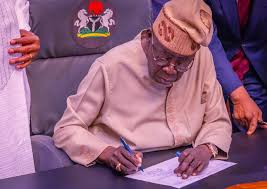
President Bola Ahmed Tinubu has sanctioned a N3.3 trillion payment framework designed to clear long-standing debts owed by electricity generation (Gencos) and gas companies (Gascos). This initiative aims to tackle the ongoing liquidity crisis affecting Nigeria’s power sector.
Government’s Commitment to Financial Reform
The presidency indicates that this approval comes after the comprehensive verification and adjustment of the legacy debt accrued between February 2015 and March 2025 as part of the President’s Power Sector Financial Reform Program. This timely intervention is anticipated to enhance cash flow within the electricity market, particularly for Gencos and gas distributors, which have faced severe payment delays constraining their operational capabilities.
Challenges Persist in the Electricity Market
Nigeria’s mounting obligations to Gencos largely stem from structural flaws following the sector’s privatization in 2013. Under the existing market framework, Gencos sell electricity to the Nigerian Bulk Electricity Trading Company (NBET), which then distributes it to electricity distribution companies (DISCOs). However, the DISCOs’ chronic under-collection issues—stemming from inadequate metering, energy theft, and insufficient tariff enforcement—mean that only a fraction of market bills are paid, necessitating governmental subsidies.
Government Tariff Strategy Faces Criticism
The situation is exacerbated by the government’s reluctance to implement fully cost-reflective tariffs. Electricity prices remain politically sensitive, often set well below the actual cost of production and supply, resulting in persistent funding shortages. Presently, NBET operates under substantial liabilities, currently estimated at N6 trillion owed to Gencos.
Liquidity Crisis Impacts Power Generation
The liquidity crisis creates a ripple effect throughout the electricity value chain. Gencos are grappling with cash flow issues, struggling to maintain operations and pay gas suppliers, which has diminished their generation capacity despite having the necessary infrastructure. Recent weeks have seen escalating outages as gas producers restrict supplies, fearing payment defaults.
Strengthening Stakeholder Confidence
A recent statement from the Presidential Spokesperson, Bayo Onanuga, outlined that the N3.3 trillion allocation represents a conclusive resolution of the sector’s debt, labeling it a fair and transparent solution for stakeholders. So far, 15 power generating companies have finalized settlement agreements totaling N2.3 trillion, with the government having raised N501 billion to initiate these payments, out of which N223 billion has already been disbursed.
Future of Nigeria’s Power Sector
President Tinubu expressed optimism that as funds begin circulating throughout the value chain, power production will stabilize, ultimately enhancing electricity supply for consumers and businesses alike. He applauded stakeholders for their contributions towards resolving these enduring challenges and announced that the second phase of the reform program is scheduled to commence later this quarter.
Looking Ahead to Sector Improvement
Olu Verheijen, Special Assistant to the President on Energy, emphasized that this initiative transcends mere debt resolution, aiming to restore confidence in the sector. He reiterated that this is part of broader reforms that include enhanced metering initiatives and the adoption of service-based tariffs, linking electricity prices to the quality of supply. The emphasis remains on ensuring reliable energy access for businesses and industries as a foundational element for job creation and economic growth.
