


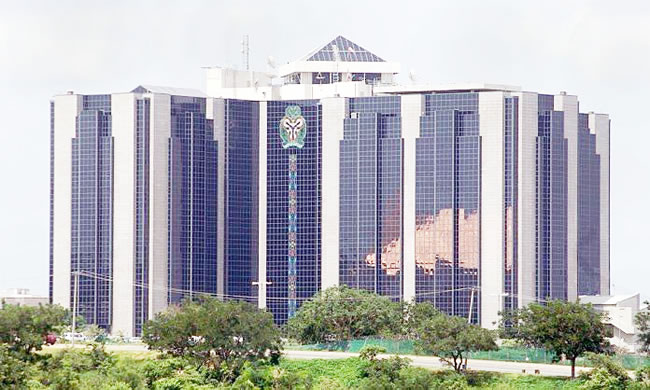
Nigeria’s Central Bank Responds to Inflationary Pressures
Nigeria’s central bank entered 2026 with a cautious yet hopeful outlook, implementing its first monetary policy adjustment by reducing the rate by 50 basis points to 26.5% in February. This decision is indicative of the 11 consecutive months of disinflation, as the CBN reported a decline in headline inflation to 15.06% for that month, alongside a significant dip in food inflation and an uptick in foreign exchange reserves, which reached a 13-year high of $50.45 billion.
Just as this monetary easing appeared poised to bolster domestic demand and sustain recovery momentum, new geopolitical tensions emerged, introducing fresh external risks. The escalation of hostilities involving the United States, Israel, and Iran in late February ignited a substantial global energy shock, reminiscent of the impacts seen during the Russo-Ukrainian conflict. This situation has introduced unexpected cost pressures on the Nigerian economy, potentially jeopardizing the intended benefits of the central bank’s rate cuts and complicating its policy trajectory.
Although headline inflation has decreased, the future impact of the ongoing Middle East conflict on inflation dynamics remains uncertain. There is a growing concern that Nigeria may be on the brink of experiencing a resurgence in inflationary pressures akin to those witnessed in 2022, a year marked by global supply shocks that prompted central banks worldwide to adopt increasingly hawkish stances. This analysis delves into Nigeria’s structural vulnerabilities to imported inflation, the mechanisms through which external energy shocks affect domestic prices, the monetary policy dilemmas confronting the CBN, and strategic policy considerations essential for maintaining macroeconomic stability amid a highly volatile global landscape.
Nigeria Faces External Energy Cost Pressures
Nigeria’s susceptibility to rising external energy costs is largely attributed to the interplay between fluctuations in global oil prices and domestic structural issues. Despite its status as one of Africa’s largest crude oil producers, Nigeria remains heavily reliant on imported refined petroleum products due to years of underinvestment in local refining capabilities. Although the Dangote refinery has made substantial contributions to the production of premium motor spirit (PMS), Nigeria is expected to continue importing a considerable portion of its refined fuel well into 2026, reflecting ongoing disparities in domestic processing capabilities, logistical inefficiencies, and a historical trend of deregulation without the requisite infrastructure improvements.
Past data reveals a clear pattern: when global crude oil prices rise, costs for gasoline imports likewise soar. This trend has manifested dramatically in early 2026, as geopolitical tensions disrupted the Strait of Hormuz, causing Brent crude prices to spike from approximately $71 per barrel at the end of February to about $112 by March 20. As a consequence of these developments, domestic pump prices surged nearly 40% from late February to mid-March, positioning Nigeria among the countries experiencing the highest increases in fuel prices globally due to the Middle Eastern unrest.
In various regions, petrol prices soared to between N1,200 and N1,300 per liter, with some forecasts predicting they could escalate to N1,500 per liter if the current shocks persist. This paradox underscores that while increased revenues from crude oil exports enhance fiscal and foreign exchange inflows, they simultaneously exert upward pressure on domestic energy costs, highlighting the economy’s structural vulnerability to external energy disruptions.
Transmission Mechanisms of External Energy Costs to Domestic Inflation
The pressures of external energy costs permeate the Nigerian economy through various interconnected channels. Firstly, rising global oil prices directly influence domestic gasoline costs, which in turn heighten transportation, freight, and production expenses across sectors that heavily rely on fuel. Following the abolition of fuel subsidies in 2023, fluctuations in international oil prices directly reflect upon PMS costs, devoid of any fiscal buffer. These changes are exacerbated by existing distribution and logistics costs, which comprise a significant portion of the final prices consumers face.
Secondly, Nigeria’s industrial sector, heavily reliant on imported machinery and components, is adversely affected as the costs associated with imported intermediate goods rise. Increased transportation, insurance, and exchange rate pressures contribute to higher landed costs for manufacturers. Additionally, exchange rate fluctuations can intensify domestic price pressures. Heightened geopolitical risks may trigger capital outflows, thereby weakening the naira and inflating the local currency costs of imported goods. Collectively, these mechanisms facilitate the swift transmission of global energy shocks to consumer prices, diminishing household purchasing power and squeezing corporate profits.
The Monetary Policy Dilemma
The CBN’s decision to lower the interest rate in February 2026 aimed to invigorate growth after an extended period of tightening. However, the surging global energy costs present potential policy trade-offs. An accommodative stance may exacerbate domestic inflation, while further tightening could stifle the economic recovery. This balancing act reflects challenges faced by advanced central banks, such as the European Central Bank and the US Federal Reserve, which are grappling with similar energy-induced inflation concerns in early 2026.
In Nigeria, these risks are magnified by the structural vulnerabilities exposed by the 2022 Russia-Ukraine crisis. During this period, energy-driven inflation surged, prompting a swift global shift toward hawkish monetary policies. The US Federal Reserve, for instance, elevated the federal funds rate from a range of 0.25-0.50% in early 2022 to between 4.25-4.50% by December 2022. Meanwhile, the Central Bank of Nigeria increased its monetary policy rate from 11.5% in May 2022 to around 15.5% by September 2022 as part of a coordinated global response aimed at managing inflation expectations amid growth concerns.
Strategic Policy Instruments to Navigate Current Challenges
Following the onset of the Ukraine conflict in 2022, Nigeria faced rapid global energy transfers, disrupted supply chains, inflation peaking over 18%, and intensified exchange rate pressures. In response, the CBN held the monetary policy rate steady at 11.5% for several months before embracing more cautious tightening in June 2022. Fiscal efforts were channeled toward conditional social support programs rather than blanket interventions.
To effectively address the ongoing energy shock stemming from the Middle East, robust reserve management and targeted short-term financing solutions will be crucial for stabilizing essential supply chains. Additionally, reducing reliance on imports necessitates support for vulnerable households through direct cash transfers, along with bolstering domestic refining and storage capabilities. Monitoring the naira’s value and global commodity trends will also be fundamental in safeguarding against external shocks that could undermine the recent rate cuts and disrupt overall economic stability.
Professor Joseph Nanna
Chief Economist, Development Bank of Nigeria
