


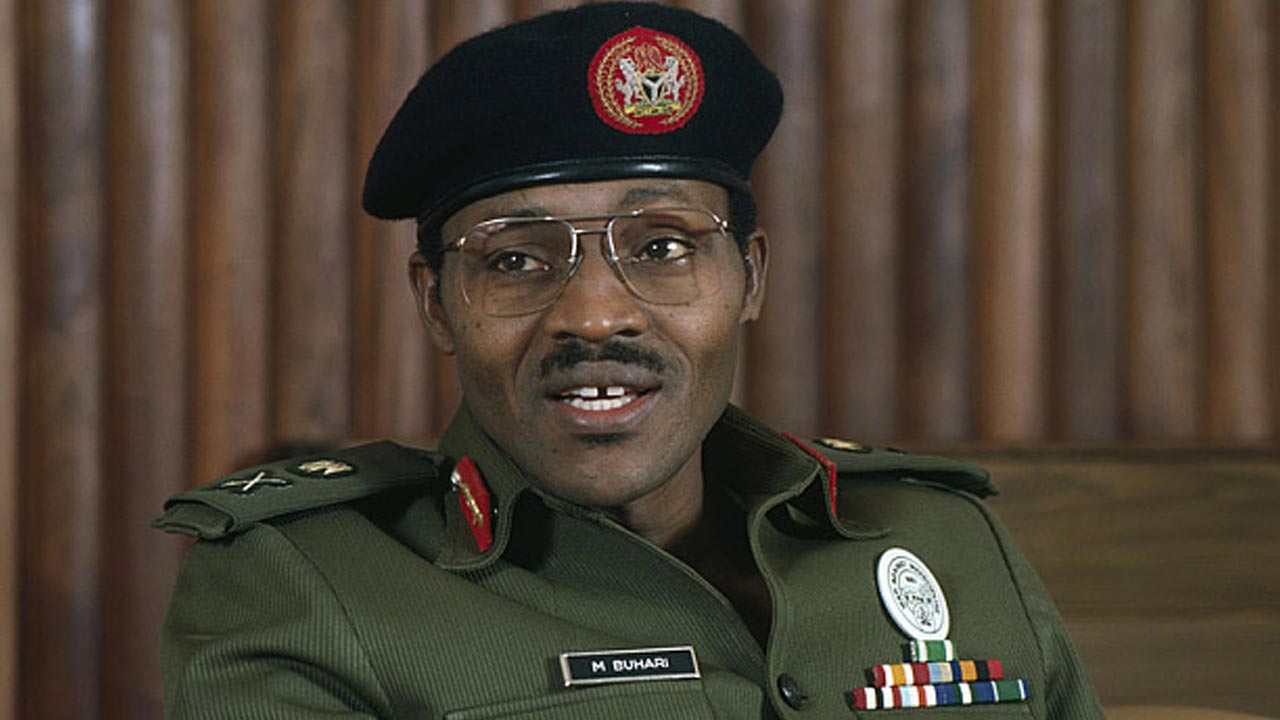
Nigeria’s 1985 Coup: A Momentous Shift in Power
Nigeria’s coup in August 1985, often described as a palace coup, marked a significant transition in the nation’s governance. While the events unfolded without fatalities, the repercussions were profound. President Muhammadu Buhari, who found himself ousted, continuously reminds citizens of this pivotal moment in history while reflecting on the unjust nature of his removal. The narrative traces back to December 31, 1983, when many Nigerians were in prayer for a prosperous new year, unaware that Buhari and his co-conspirators were orchestrating a military coup to topple the civilian government led by President Shehu Shagari.
Public Sentiment and Political Turmoil
The fallout from the October 1983 presidential election revealed widespread voter fraud, shocking many who believed that democracy was being reaffirmed after a long period of military rule. When January 1 rolled around, Nigerians faced a complex emotional landscape, unsure whether to celebrate the new year or acknowledge the military’s sudden return to power. Just over a year later, in a twist of fate, Buhari was succeeded by the same faction that had placed him in power. Ibrahim Babangida, who assumed the presidency, held Buhari in detention for three years, a period for which Buhari has struggled to find forgiveness.
Reflections on Corruption and Leadership
During the recent commissioning of the EFCC corporate headquarters in Abuja, Buhari reflected on his initial efforts to combat corruption from December 1983 to August 1985. He articulated how his anti-corruption initiatives faced formidable resistance, leading not only to his ouster but also allowing some who had embezzled public funds to regain their wealth and influence. This sentiment echoes Buhari’s longstanding grievances regarding his time in office and the betrayal he perceived from those he once trusted.
Interpersonal Conflicts Among Coup Leaders
In reflections shared during a past interview, Buhari discussed General Aliyu Gusau, one of the coup leaders instrumental in his rise. He indicated that conflicts arose over Gusau’s perceived lack of support following his retirement amid corruption allegations. Conversely, Gusau asserted that Buhari’s leadership had sidelined him, failing to recognize the vital role he played in the coup that dismantled Shagari’s administration. This tension underscores the complexities of military alliances during the coup and the ensuing leadership dynamics.
Discontent Among Military Leaders
Retired Major Mustapha Jokolo, who served as Buhari’s ADC, corroborated Gusau’s claims about the discontent among coup leaders regarding political appointments. He noted that only a handful received significant positions, which fostered resentment and ultimately contributed to Buhari’s downfall. Jokolo recounted a vivid instance when coup leaders felt marginalized, waiting outside crucial meetings while others held power within. These frustrations highlighted the fragile alliances that underpinned the military’s initial uprising.
Buhari’s Leadership Challenges and Human Rights Issues
While some aspects of the Buhari administration were commended for fostering national discipline through initiatives like the War on Indiscipline, his human rights record drew severe criticism. Numerous individuals faced lengthy detentions without due process, and his controversial Decree No. 4, which targeted journalists, culminated in a national outcry. The prison terms served by journalists Tunde Thompson and Nduka Irabor exemplified the perils of Buhari’s governance style, creating a chilling effect on freedom of expression throughout his tenure.
The Path Forward: Corruption and Alienation
The enduring challenge of combating corruption in Nigeria remains substantial, as efforts often unfold behind closed doors. Buhari’s self-proclaimed integrity serves as a double-edged sword; while it bolsters his anti-corruption campaign, it also faces scrutiny for uneven application and favoritism. Analysts observe that this inconsistency can undermine his credibility and expose vulnerabilities in his administration. The relationships he forges—or neglects—within political circles further complicate governance, wherein ally grievances could erode alliances crucial for effective leadership.
