


A young father endured a five-month wait for the release of his three-year-old daughter, who had been separated from her mother after crossing the U.S.-Mexico border. His hope for a safe reunion was temporarily overshadowed by a harrowing discovery: the child had been sexually abused in a government-run care facility, revealed only after legal intervention.
The father, a legal permanent resident of the United States, expressed deep concern about the lack of timely action from authorities. “If they had moved sooner, I don’t think something like that would have happened,” he stated, speaking anonymously to protect his daughter’s identity as a sexual abuse victim.
The situation escalated when the Trump administration implemented aggressive policies aimed at detaining immigrant children in 2025, which significantly increased the time these children spent in custody. The federal government further exacerbated the crisis by moving to eliminate basic protections that safeguard vulnerable immigrant children.
During the prolonged period her father sought to reunite with her, progress was stalled due to the government’s failure to provide fingerprinting appointments, a necessary step for reunification. Meanwhile, the girl was subjected to repeated sexual abuse by an older child in the Harlingen, Texas foster facility, according to court documents. Her parents noticed alarming signs when they found her underwear worn backwards. The girl later confided in her caregiver about her traumatic experiences, which included severe physical repercussions.
Efforts from the federal Office of Refugee Resettlement (ORR) to address the situation left the father frustrated. When he inquired about his daughter’s well-being, he was met with vague assurances that an investigation was ongoing, adding to his distress as he sought clarity and help.
After enduring a forensic examination and interview, the girl’s case drew the attention of local law enforcement, as her attorney, Lauren Fisher Flores, confirmed that the alleged abuse had been reported. Despite the seriousness of the situation, ORR and its parent agency, the Department of Health and Human Services, did not respond to media inquiries seeking comment.
Policy Changes Under the Trump Administration Impact Immigrant Children
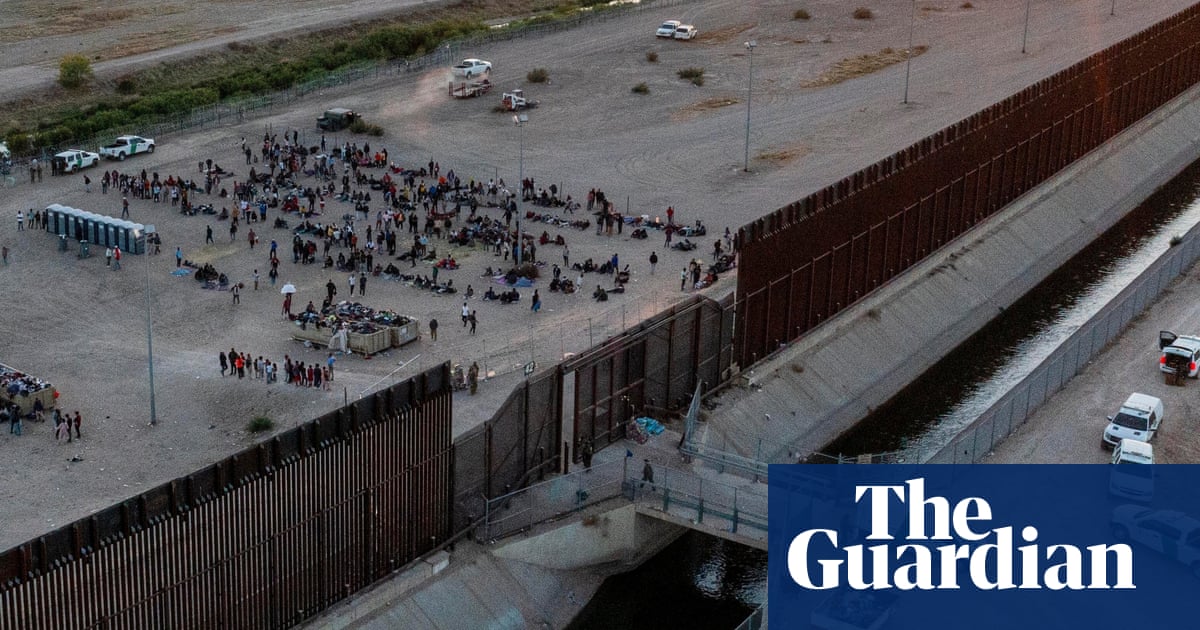
The young girl and her mother attempted to cross the border illegally near El Paso on September 16. Following the mother’s arrest for making false statements, the toddler was placed in ORR custody, designated for the protection of unaccompanied immigrant minors.
The release process for children held by ORR became increasingly cumbersome during the Trump administration, imposing stricter documentation requirements for parents or sponsors. Authorities also began applying pressure on unaccompanied minors to depart voluntarily, and some sponsors faced arrests during the release process.
Legal advocates anticipated that these changes would lead to prolonged detention and subsequently filed a lawsuit against the new policies. Reports indicate that the average duration of custody for children in ORR care skyrocketed from 37 days at the beginning of Trump’s second term to an alarming average of nearly 200 days as of February this year, even as the overall number of children in ORR care decreased significantly.
In an effort to expedite the release process, lawyers have been resorting to habeas corpus petitions, which serve as emergency legal remedies. Fischer Flores, the legal director of the American Bar Association’s ProBar Project, noted that the organization filed eight such petitions this year for children who had been in custody for an average of 225 days — a move that was unprecedented before this administration.
As legal intervention intensified, it finally prompted ORR to act on the father’s request to be fingerprinted. However, after further delays, a habeas petition filed in federal court ultimately led to the girl’s release just two days later. It was during this critical period that the father became aware of the grievous abuse his daughter had suffered, which had been mischaracterized by authorities as an “accident.” Advocates argue that these developments represent a distressing continuation of family separation and highlight systemic failures within the immigration and child welfare systems.
Reunited at last, the father embraced his daughter, shedding tears of relief as she expressed joy upon their reunion. Yet, five months of separation had taken a toll. The child began exhibiting signs of distress, including nightmares and heightened agitation — behaviors her father noted were new and concerning. Currently, the two are residing with the girl’s grandparents in Chicago as they navigate the ongoing challenges of her immigration case.
