


Human Rights Group Calls for U.S. Sanctions on Nigerian Minister
The Human Rights Writers Association of Nigeria (HURIWA) has petitioned the U.S. government to impose targeted sanctions on Nyesom Wike, the Minister of the Federal Capital Territory, citing concerns over his actions that allegedly undermine democratic governance in Nigeria.
In a letter addressed to the U.S. ambassador in Abuja, civil rights advocates detailed serious allegations against Wike, including election fraud, orchestrating political crises, and undermining judicial independence. They cautioned that electoral democracy in Nigeria is facing significant threats due to a narrowing political environment, suppression of dissent, and the manipulation of opposition parties through coercion and seduction.
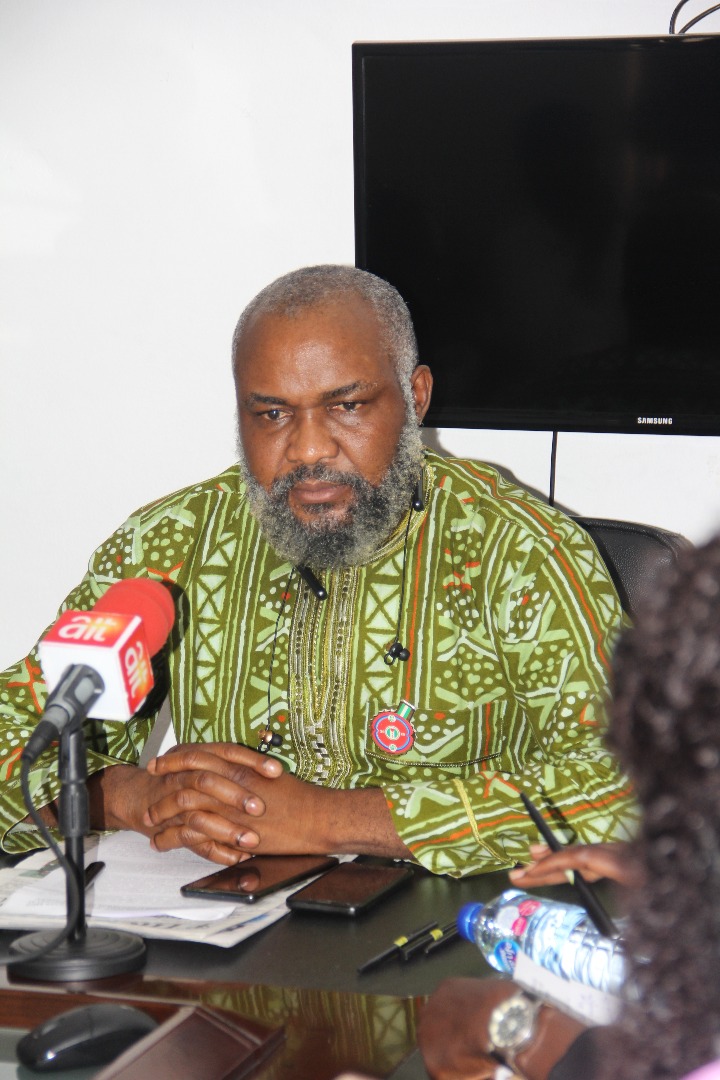
The petition was initiated by Comrade Emmanuel Nnadoji Onwubiko, HURIWA’s National Coordinator. The organization urged U.S. authorities to investigate these allegations and, should they be found credible, to impose measures such as visa restrictions to halt the erosion of democratic values in Nigeria.
While Nigeria’s democracy has shown a level of resilience since 1999, HURIWA emphasized that it is increasingly vulnerable to various pressures that could destabilize it. They warned that any deterioration of democratic norms in Africa’s most populous country could have severe repercussions for regional stability and the broader global democratic framework.
The allegations against Wike primarily focus on his tenure as governor of Rivers State from 2015 to 2023. HURIWA pointed to troubling incidents during the 2019 and 2023 elections, which reportedly include violence, intimidation of opposition members, and manipulation of the electoral process. The group noted that during the 2023 elections in Rivers State, opposition candidates faced systematic intimidation and violence, with government resources allegedly used to secure a predetermined outcome. Furthermore, an unusual crackdown on campaigning and political prominence was observed, raising alarms about the integrity of the electoral process.
Following his resignation, Wike’s influence over political developments in Rivers State has reportedly persisted, particularly concerning the current governor, Siminalai Hubala. HURIWA argues that this ongoing influence undermines the autonomy and integrity of elected officials, thereby weakening democratic institutions.
The petition also referenced statements attributed to Wike that allegedly threatened impeachment of the sitting governor, which HURIWA contends reflects a disregard for fundamental democratic practices. Recently, during a visit to Rivers State, Wike was reported to have criticized Governor Hubala repeatedly, further emphasizing his perceived dominance over prevailing political narratives.
Additionally, HURIWA raised alarms about efforts to destabilize the opposition Peoples Democratic Party (PDP), including remarks suggesting it should refrain from fielding a presidential candidate in the 2027 elections, which they argue jeopardizes political pluralism and threatens the essence of a competitive democracy.
Concerns surrounding judicial independence were also highlighted, calling attention to expert opinions that suggest political influence could undermine the impartiality of court decisions in party disputes. HURIWA insists that these issues warrant increased scrutiny to preserve judicial integrity. In a recent televised interview, Wike’s controversial comments—which some interpreted as inciting violence against journalists—were met with widespread criticism and were seen as exacerbating a hostile environment for press freedom.
Further compounding these issues, HURIWA criticized President Bola Ahmed Tinubu’s administration for its lack of action in restraining the FCT Minister, warning that inaction could be interpreted as tacit approval of practices that compromise democratic accountability and press freedom.
Despite acknowledging the strategic relationship between Nigeria and the United States, HURIWA made it clear that their petition seeks principled diplomatic engagement rather than interventionist measures to reaffirm democratic values. They stressed Nigeria’s importance on both regional and global stages, cautioning that the failure of its democracy would have dire implications beyond its borders.
In concluding their statement, HURIWA urged U.S. authorities to review their petition promptly and expressed a willingness to provide further documentation to assist in the examination of these serious concerns.
