


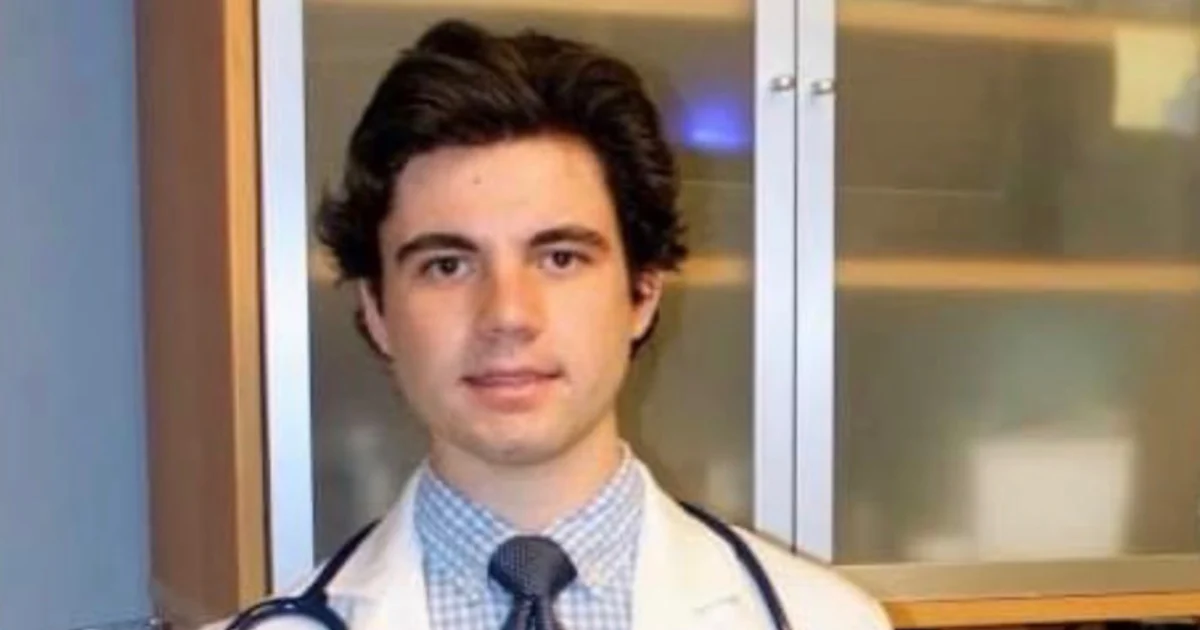
Family of Deceased Dental Student Files Wrongful Death Lawsuit Against Hospital
The family of Connor Hilton, a University of Connecticut dental student who tragically passed away shortly before his death in a remote-monitored intensive care unit, has initiated a wrongful death lawsuit against Bridgeport Hospital. The family claims the hospital’s alleged negligence played a significant role in his untimely demise.
Admission Details and Initial Diagnosis
In August 2024, Hilton, 26, was admitted to the Milford campus of Bridgeport Hospital after suffering from severe abdominal pain, nausea, and vomiting. Emergency room personnel diagnosed him with alcoholic pancreatitis, dehydration, and related conditions, as noted in a state Department of Public Health after-action report referenced in the lawsuit.
Concerns Surrounding Remote ICU Staffing
The use of remote staffing in intensive care units has gained traction in recent years as hospitals seek to streamline costs and fill personnel gaps. This model became increasingly prevalent during the COVID-19 pandemic, despite some healthcare professionals expressing concerns over the effectiveness of virtual care, citing issues related to patient safety and a lack of personal interaction.
Negligence Allegations in the Lawsuit
According to the lawsuit, although Hilton was classified as “high risk” following his initial diagnosis, staffing challenges hindered his access to continuous and consistent medical care throughout his 18-hour hospital stay.
Family’s Claims and Hospital’s Response
The lawsuit contends that Hilton’s death was a direct consequence of the hospital’s negligence and the failures of its staff. “The state DPH investigation revealed an incomprehensible level of incompetence at Milford Hospital’s ICU,” stated Joel T. Faxon, the family’s attorney, highlighting grave concerns about the absence of doctors and nurses in a supposed intensive care setting.
In response, Yale New Haven Health, which operates Bridgeport Hospital, acknowledged the ongoing lawsuit but emphasized its commitment to delivering safe, high-quality healthcare, stating that it could not comment further due to the active litigation.
Rapid Deterioration of Hilton’s Condition
Upon his arrival at the emergency room, Hilton’s health quickly declined. A state report indicated that by 11 a.m. on August 14, he exhibited elevated heart rates, alarmingly low blood pressure, and signs of alcohol withdrawal. Tragically, his condition continued to worsen until his death the following morning.
Failures in Communication and Medical Intervention
The report identified significant lapses in communication, noting that Hilton’s parents were not informed about his transfer to the ICU. Additionally, appropriate medications for his deteriorating withdrawal symptoms were not administered. Disturbingly, doctors did not physically assess him for over four hours post-transfer to the ICU. Instead, hospital staff communicated with a remote physician, who subsequently ordered intubation after observing Hilton’s concerning state.
Delayed Medical Response and Final Moments
In a tragic turn of events, the doctor who was supposed to attend to Hilton became disoriented and arrived ten minutes late, having needed assistance from a nurse for directions. Hilton was pronounced dead less than two hours after being intubated. In a statement, Faxon’s office remembered Hilton as a cherished son, fiancée, athlete, and friend, underscoring the profound impact of this loss.
