


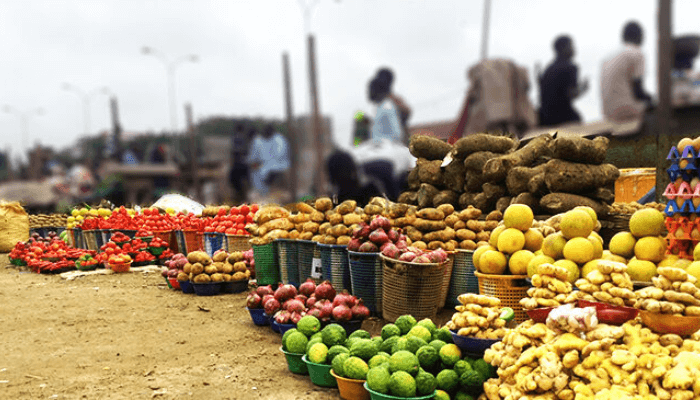
Frozen Food Traders Struggle Amid Rising Costs
Salewa Tokunbo, a frozen food vendor based in Lagos, was optimistic in January about her sales, believing customers would eagerly purchase whatever she stocked from wholesalers. The pricing seemed fair, and the business climate appeared promising.
However, the situation changed abruptly following the onset of the U.S.-Iran conflict on February 28. With dwindling customer demand and energy costs spiking due to reliance on generators, Tokunbo is increasingly anxious about the future of her business.
“The price of frozen turkey is now exorbitant, hovering around N100,000 per carton. Even if we acquire it at market rates, there’s no guarantee customers will be able to afford it,” she expressed in an interview with Business Day.
As noted in a recent report, the war’s ramifications are felt broadly across Nigeria, Africa’s most populous nation. Research by SB Morgen Intelligence indicates that 63% of Nigerian traders anticipate that the conflict will adversely affect their businesses within the next three months.
Fuel price data reveals a staggering increase, with prices nearly doubling from late February to early April due to rising global oil prices and adjustments in refinery pricing. Prior to the conflict, fuel cost around N830 per liter, but it has surged to approximately N1,300, representing a 63% increase. This surge is straining companies reliant on fuel for their operations.
Similarly, diesel prices have escalated from around N1,100 to approximately N1,550 per liter, driving up logistics and production costs across various sectors. Muda Yusuf, CEO of the Center for the Promotion of Private Enterprise (CPPE), highlighted that the most pressing domestic consequence of the war is the surge in inflation.
“Nigeria operates within a deregulated downstream oil sector. Higher international oil prices exert a direct influence on the cost of gasoline, diesel, and aviation fuel, thereby escalating food distribution and transportation costs,” Yusuf stated.
Concerns Over Economic Gains Erased by War
Despite facing unprecedented inflation throughout 2024, the overall cost of living in Nigeria has seen a brief decline. According to the National Bureau of Statistics, the headline inflation rate dropped to 15.06% in February 2026, down from 23.18% the previous year. Improved agricultural yields and a stabilized naira contributed to this temporary respite.
Nevertheless, analysts warn that ongoing conflicts could negate these economic improvements. Yusuf remarked, “Given the already precarious purchasing power, sustained fuel price hikes will apply further pressure on living costs and could exacerbate poverty rates.”
Soaring Transportation and Food Costs
Rising fuel expenses are quickly translating into higher transportation and food logistics costs. Public transport fares have surged, with intra-city fares in Lagos escalating from N200-300 to N550, while Abuja fares have reached N900 on certain routes. Interstate travel costs have also skyrocketed, with the fare from Lagos to Ibadan increasing from around N1,500 to N2,500.
The report indicates a more than 50% surge in transportation expenses, highlighting an increase from N45,000 to N70,000 for transporting goods from Kano to Lagos. Muhammed Magaji, Chairman of the All Farmers Association of Nigeria (AFAN), noted that food prices are set to climb due to escalating logistics costs, stressing that current expenses make it difficult to move goods from farms to markets.
Information Gaps Among Traders
While many farmers and traders are aware of the war’s ongoing nature, some remain indifferent, recognizing only the immediate price hikes without grasping the underlying causes. According to SBM’s findings, 51.8% of traders learned about the conflict primarily via WhatsApp and social media, while 44.5% received information through family and friends.
This highlights potential weaknesses in the government’s communication strategy regarding the crisis. The report critiques President Bola Tinubu’s lack of targeted communication on the war’s economic implications, noting that public messaging has largely stemmed from broader addresses instead of focused relief measures for affected families.
