


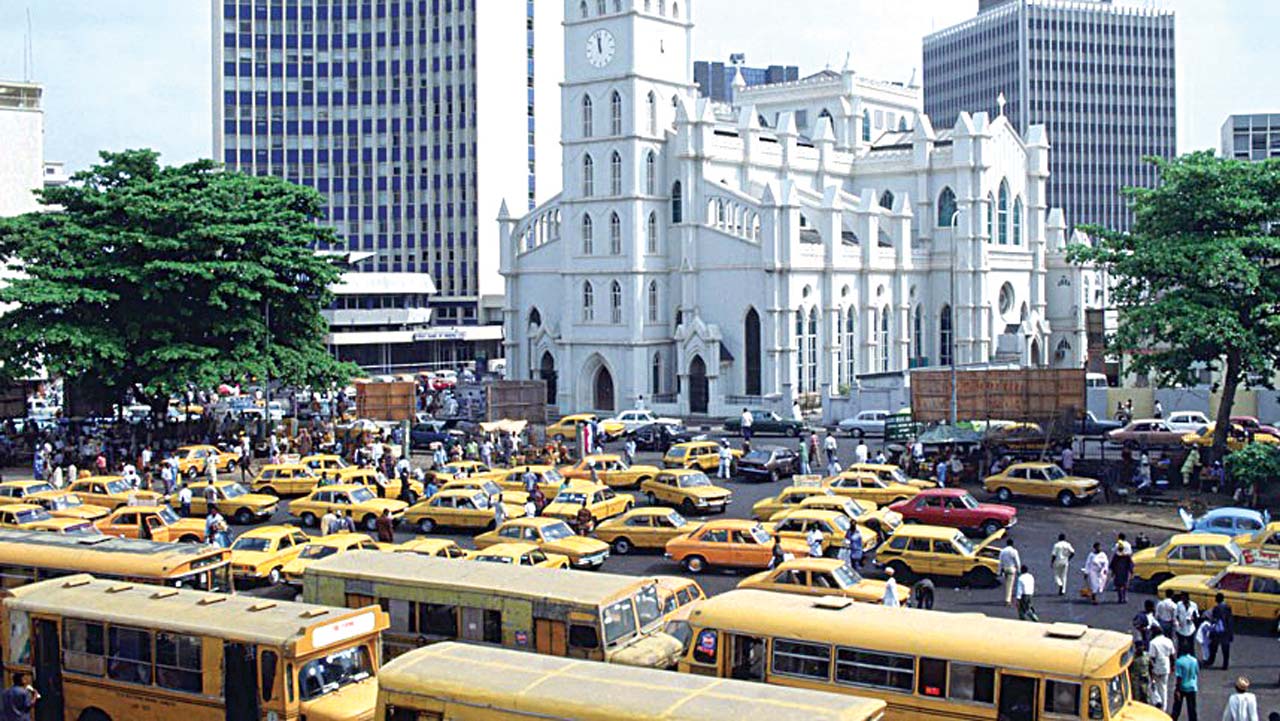
Lagos: A City of Growth and Challenges
On September 19, 1970, I set foot in Lagos with aspirations of achieving academic success at the University of Lagos. At that time, Lagos was just three years old as a state, established by General Yakubu Gowon on May 27, 1967. Since then, it has uniquely maintained its identity, becoming the only state since the military’s arbitrary creation of new states that hasn’t undergone such upheavals. This continuity is impressive.
Celebrating Milestones in Lagos
It is fitting for both the government and citizens to celebrate Lagos’ 50th anniversary this month. As the oldest and most populous state in Nigeria, Lagos has made substantial strides in economic, human, and social development. The transformations are remarkable; once characterized by overcrowding and limited infrastructure, the city now stands as a testament to human progress. Its evolution is nothing short of miraculous.
A Lifelong Connection
In my pursuit of personal success, I eventually returned to my home state, Benue Plateau, after three years in Lagos. However, destiny brought me back to this vibrant city in August 1984. Co-founding Newswatch Communications Limited with prominent figures such as Yakubu Mohammed, Dele Giwa, and Ray Ekpu, we pioneered weekly news magazines in Africa through Newswatch Magazine. For 33 years, I have made Lagos my home, but I still feel like an outsider in this bustling metropolis.
The Duality of Lagos
My time here has afforded me a front-row seat to both the city’s bright achievements and its darker moments. Lagos teaches resilience; it is a city alive with contradictions. During my university years, I experienced the tumultuous nature of urban life as the oil boom fueled both prosperity and peril. A construction surge brought in wealth, yet it also strained the city’s infrastructure, often resulting in chaos and mismanagement. The burden of sudden wealth became palpable.
The Dark Past
Years ago, I recall the unsettling reality of witnessing death on the streets of Lagos. The late Tai Solarin undertook the grim mission of disposing of bodies that authorities often ignored. Additionally, the notorious Ishola Oyinusi and his gang turned armed robbery into an infamous yet lucrative enterprise, eventually leading to their public execution. Such stark incidents laid bare the city’s struggle against crime and despair.
Urban Challenges and Progress
Lagos has become synonymous with heavy traffic and congestion. Locals often refer to the city’s user-unfriendly commute as “Gorslow,” illustrating the daily endurance test faced by residents navigating its streets. I recall walking from Carter Bridge to Victoria Island, where civil servants would often leave their homes before dawn to beat traffic. The stark reality of urban life became evident during these long, arduous journeys.
A Melting Pot of Dreams and Disillusionment
Lagos is a true melting pot—a place of both unfulfilled promises and expansive opportunities. The city attracted countless Nigerians during the oil boom, each seeking better prospects. While some found success, many faced unfulfilled expectations and lived in harsh conditions. Yet, even in the midst of adversity, countless stories of resilience emerge; many who once thought they had been forgotten have found small miracles amidst their struggles.
The Economics of Migration and Wealth
The influx of people from different backgrounds led to overcrowding and a strain on resources. Lagos struggled to provide adequate water, housing, and essential services to its burgeoning population. Under bridges and in unsanitary conditions, many sought refuge, bearing the harsh realities that came with urban migration. Yet, optimism remains as stories of success emerge; those who arrived with little often transform their lives and contribute to the city’s dynamic economy.
A Legacy of Transformation
Throughout its history, Lagos has provided opportunities for countless individuals to improve their circumstances. Success in this city often depends on tenacity and ambition. Historical figures, such as Brigadier General Mobolaji Johnson, recognized the strivers arriving with hope for a better life. Indeed, many have achieved substantial wealth through informal routes, profoundly changing the socio-economic landscape of Nigeria.
Looking Forward
Lagos stands as a unique beacon of opportunity in Nigeria. While no other city has altered the fortunes of so many, its legacy continues as a hub of ambition and pragmatism. The consistent commitment of successive civilian governors to complete established projects reflects a determination to transform the state for future generations. Here’s to the enduring spirit of Lagos as it celebrates its milestones and pushes forward.
