


China’s Export Subsidy Cuts Raise Concerns for African Solar Power Sector
In January, China announced significant changes to its renewable energy export policies, ending export subsidies for solar panels and gradually eliminating value-added tax refunds for batteries. These cuts, effective from April 1, have raised alarms within global renewable energy markets, particularly in African nations dependent on Chinese imports.
Surge in Solar Power Adoption Across Africa
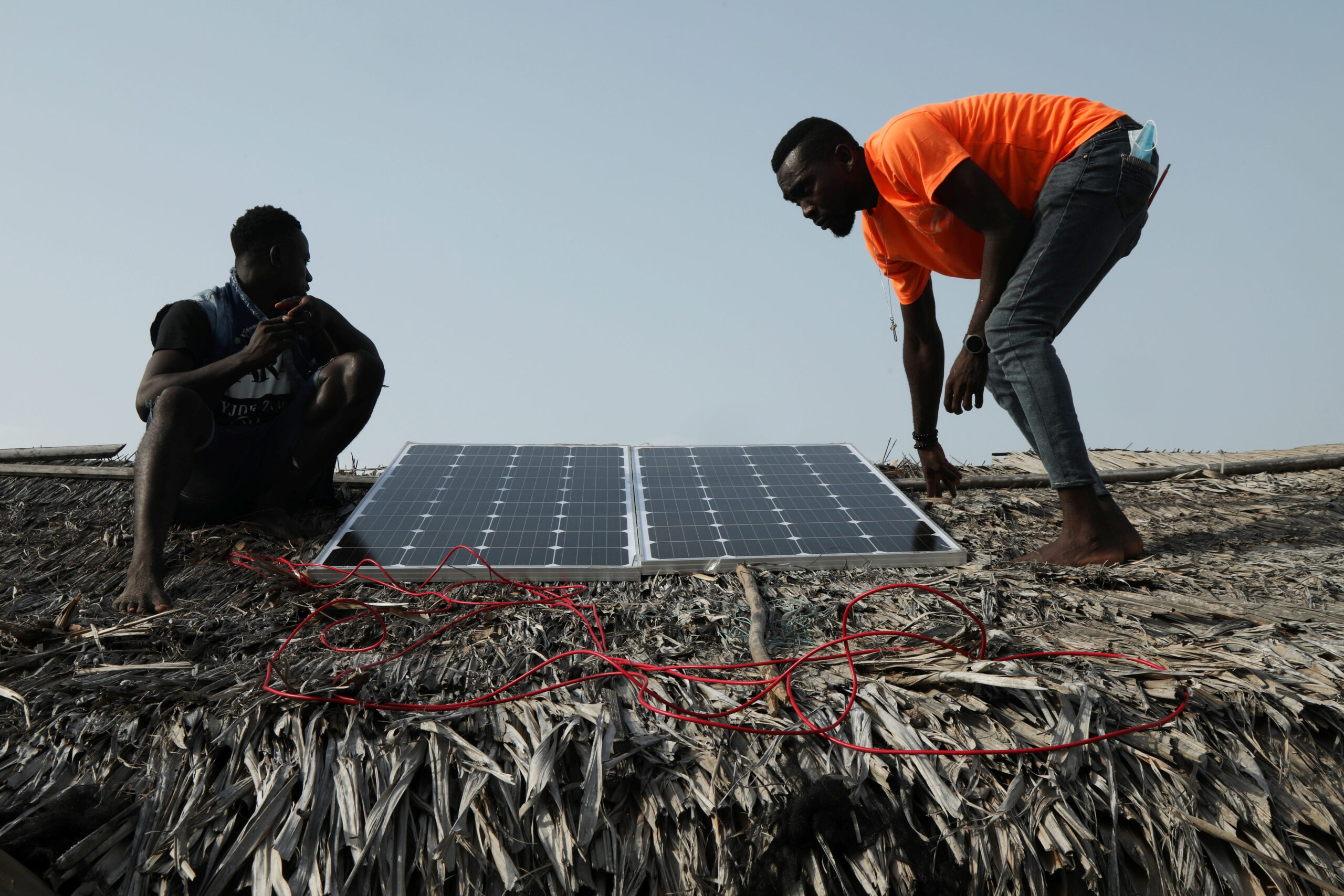
Solar energy is gaining traction as a reliable power source throughout Africa, with a noteworthy uptick in technology imports, primarily from China. By 2025, the continent witnessed its first definitive evidence of solar power adoption, with a remarkable 60% year-on-year increase in solar panel imports from China, exponentially boosting potential power generation capabilities.
Impact of Power Outages on Solar Adoption
Research from the energy think tank Ember indicates that countries facing extensive power outages, including South Africa, Nigeria, and Zambia, are driving the expansion of solar energy. In these regions, the push for solar panels has become increasingly appealing to both businesses and households seeking a reliable alternative to costly fossil fuel generators.
Challenges from Subsidy Cuts and Global Events
Despite the growth potential, experts express concern regarding the recent tax rebate reductions for clean technology in China. Additionally, geopolitical tensions, such as the conflicts in the Middle East, could lead to rising technology prices, further complicating affordability for many African communities.
Insights from Renewable Energy Leaders
Karl Boyce, CEO of African renewable energy developer ARC Power, shared insights on how the subsidy cuts might influence Africa’s clean energy landscape. While the removal of export subsidies will certainly affect the sector, he suggests that the long-term impact may be mitigated by the recent decline in solar power costs, leading to a more stable pricing environment. However, short-term supply shortages may arise, accelerated by rising shipping costs linked to ongoing geopolitical issues.
Addressing Africa’s Energy Access Challenges
Currently, around 600 million people in Africa still lack access to electricity, a challenge compounded by insufficient capital and regulatory hurdles in various countries. Boyce notes that in the case of mini-grids, developers face difficulty in recovering their investments, with most households only paying minimal fees for electricity. To bridge the energy access gap, substantial improvements in regulations and reduced bureaucratic delays are essential.
Innovative Financing Models for Energy Access
ARC Power’s innovative FUSE model represents a public-private partnership aimed at financing energy access in regions like Rwanda. Despite changes in national strategy favoring grid connections over mini-grids, the FUSE model allows for the expansion of national grid infrastructure, facilitating faster and broader energy connectivity. The World Bank has recognized this model’s scalability, aligning it with the urgent goals set forth in initiatives like Mission 300, which aims to connect millions to electricity by 2030.
Balancing Mini-Grids and Utility-Scale Renewable Energy
As the energy landscape evolves, Boyce emphasizes the need to balance mini-grids with utility-scale renewable energy projects. While mini-grids are valuable, particularly in remote areas, the integration of these systems with existing national infrastructures can accelerate the pace of energy access. As ARC Power expands its operations into additional African countries, including targets in West Africa, there is a growing hope for significant progress toward universal energy access.
