


Increase in Fuel Prices Hits Nigerian Economy Hard
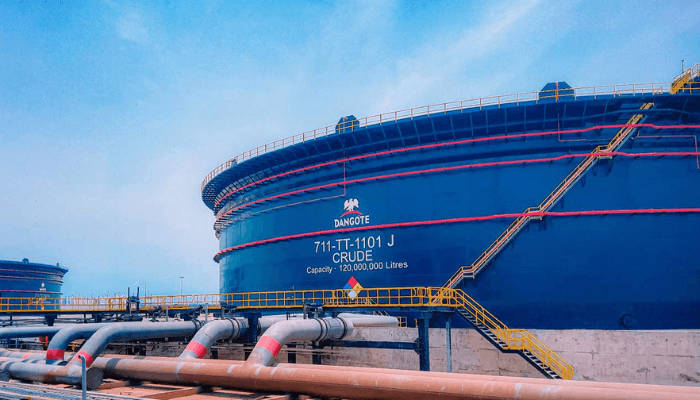
Dangote Petroleum Refining and Petrochemicals Company has raised the ex-warehouse price of Premium Motor Spirit to N1,275 per liter and Automotive Diesel to N1,950 per liter, as detailed in a new pricing template distributed to fuel distributors and warehouse operators. This move marks another step in a series of price hikes that have left Nigerian motorists and industry operators bracing for additional financial strain.
Significant Price Adjustments Revealed
A senior official from the refinery confirmed the price adjustments late Tuesday. Petrol prices rose from N1,200 to N1,275 per liter, reflecting a 5.02 percent increase. Meanwhile, diesel prices surged from N1,750 to N1,950 per liter. Data from Petroleumprice.ng corroborates these new pricing figures.
Impact of Diesel Prices Nearing Critical Threshold
The revised diesel price is approaching the psychologically significant N2,000 per liter mark. Should this threshold be breached, it could trigger a new wave of challenges for key sectors, including logistics, manufacturing, and agriculture. These industries largely depend on diesel generators and transport trucks, particularly in a nation where electricity supply remains inconsistent.
Global Market Trends Drive Price Adjustments
The refinery official noted that these increases align with global market trends, attributing them to ongoing tensions in the Middle East that impact international oil benchmarks. Such external factors significantly influence the pricing of petroleum products in Nigeria.
Timing of Price Increase Raises Concerns
This price hike comes at a sensitive juncture, as Nigeria — Africa’s most populous nation and largest economy — grapples with the repercussions of fuel subsidy removal implemented in mid-2023 under President Bola Tinubu. Since this policy shift, pump prices have consistently risen, diminishing purchasing power and inflating transportation costs that have ripple effects across a wide range of consumer goods.
Dangote’s Refinery and Its Limited Impact on Local Prices
The Dangote refinery, designed to process 650,000 barrels of oil per day, is expected to be the largest single-train refinery in the world. It aims to stabilize Nigeria’s fuel supply while decreasing dependency on imported refined products. However, even with this diversification, pricing remains closely tied to international benchmarks, offering limited protection against the volatility of the global oil market.
Effects on Small Businesses and Consumers
The rising diesel prices have particularly severe implications for logistics operators, with long-distance transport firms and cold-chain service providers likely to pass these costs onto consumers. This increase risks exacerbating food price inflation, which the Office for National Statistics is already struggling to manage.
Small Business Owners Face Increased Operational Costs
Small business owners, particularly in cities like Lagos and Kano where reliance on generators is nearly ubiquitous, are feeling the immediate effects of these changes. An N200 increase per liter of diesel translates directly into higher operational costs for bakeries, print shops, and market traders who rely on generator power for 8 to 12 hours daily.
Inflation Risks Emerge Amid Rising Fuel Prices
Analysts warn that without significant improvements in electricity grid reliability or effective monetary policy interventions, continued hikes in fuel prices could embed inflation expectations further into the economy, potentially dampening consumer demand.
